
Magazine › Interiors
The Art of Stillness: Water Bowls as Sculptural Anchors
In homes across Bangalore and beyond, water bowls transcend utility to become meditative focal points—silent sculptures that transform how we inhabit space.
By the Ander Baher Editorial Desk · 24 July 2026
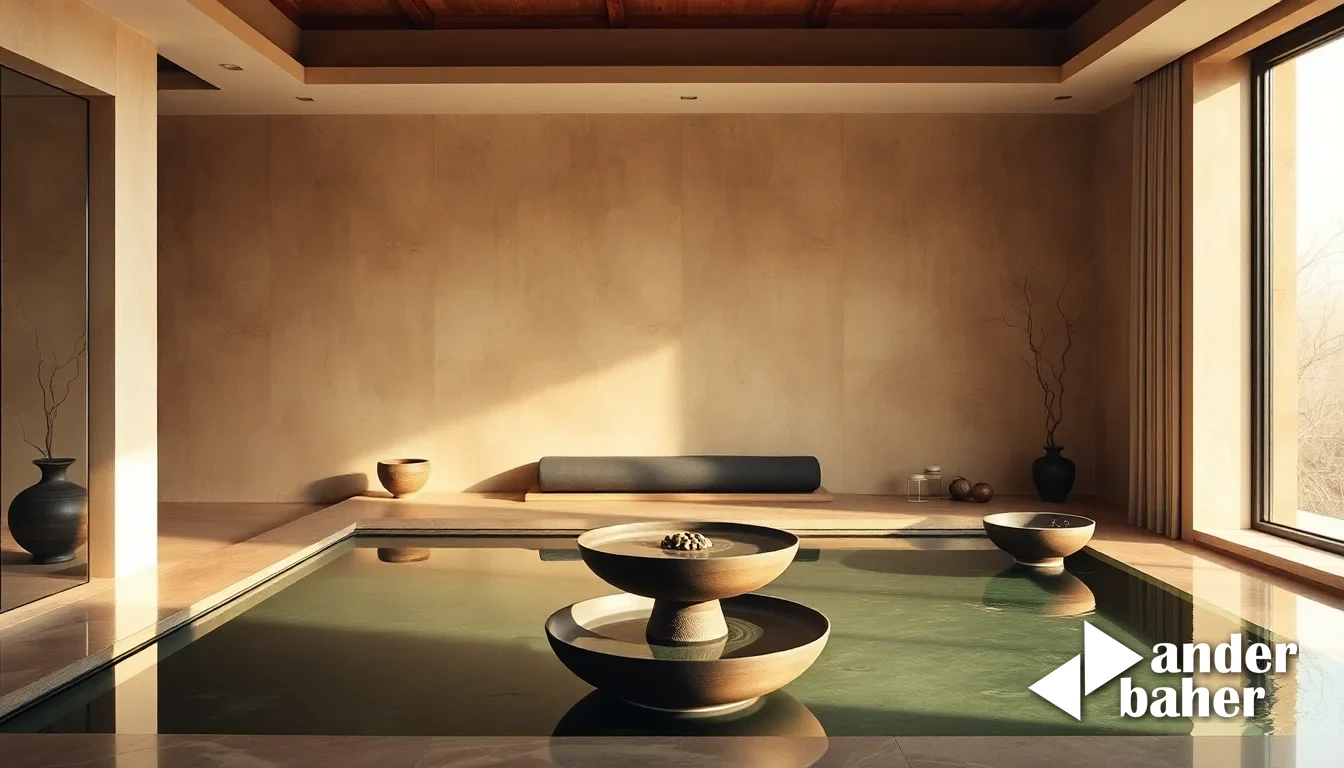
There is a particular silence that follows the sound of water settling into a bowl. Not the aggressive spray of a fountain, but the gentle resurfacing of stillness—a moment when a room seems to breathe differently. This is the quiet power of sculptural water bowls, which have moved from garden periphery into the thoughtful homes of those who understand that interior design is, fundamentally, about orchestrating experience.
Beyond Decoration: The Philosophy of Presence
A water bowl in your home is not a concession to trend. It is a deliberate act of slowness. Consider the difference between a static sculpture and one that holds water: the surface becomes a mirror, a reflective plane that catches light differently each hour. In Mumbai apartments where space is negotiated with precision, a shallow ceramic bowl placed on a console table near a window becomes something more than decor—it becomes a small ecosystem that marks the passage of time through reflected light and the gentle motion of water when the afternoon breeze moves through an open door.
The Japanese concept of ma—the deliberate use of empty space—governs the best water bowl installations. Rather than filling a corner, they occupy specific architectural moments: a recessed nook in a living room wall, the junction where a hallway meets a study, or the precise center of a courtyard where monsoon light pools naturally.
Material and Intention
The vessel itself matters profoundly. Handthrown ceramic, with its irregular lip and visible fingerprints of the maker, speaks differently than cast stone or sleek concrete. A Bangalore-based ceramicist might craft a bowl with a glaze that deepens in color when wet, so the water's presence becomes visible even before you hear it. Carved granite basins, weathered to soft planes, speak to permanence. The material you choose should whisper something about how you wish to live: deliberately, quietly, in conversation with craftsmanship.
The water itself is the artwork's second layer. Still water is radical in homes accustomed to movement and notification. A simple overflow system—where fresh water continuously enters and excess spills over the lip—creates the softest possible sound, almost inaudible until you consciously listen for it. This is different from a bubbling fountain, which announces itself. A well-designed water bowl invites you to discover its music.
Placement as Ritual
In India's climate, a water bowl serves the practical purpose of increasing humidity and cooling a microclimate around itself—an ambient blessing during the pre-monsoon heat. But placement transforms utility into ritual. Position it where you will encounter it during a quiet morning moment. Near a reading chair. Visible from your desk. In the courtyard where early light is warmest. The bowl becomes a anchor point, a place your attention naturally returns to, a reminder that some spaces exist simply to be inhabited, not consumed.
The homes that wear their water bowls most gracefully are those that have learned to edit ruthlessly elsewhere. A single sculptural vessel, properly placed, in a restrained interior, communicates more than a water feature ever could: that you understand the difference between adornment and presence.
Frequently asked
How does a water bowl differ from a traditional fountain in home design?
A sculptural water bowl prioritizes stillness and subtlety—its soft overflow creates barely audible sound and invites quiet observation, whereas fountains announce themselves. The reflective water surface becomes a mirror catching light throughout the day, transforming a static object into a living element that marks time and season.
Where should I place a water bowl in my Mumbai or Bangalore apartment?
Position it at architectural moments that draw natural attention: a recessed nook, the junction of hallway and study, or near a window where morning or afternoon light pools naturally. In India's climate, placement near your reading chair or desk creates a microclimate of gentle cooling while serving as a visual anchor for contemplation.
What material works best for a sculptural water bowl?
Material choice reflects your design intention: handthrown ceramic with visible maker's marks speaks to craftsmanship and intimacy, while carved granite or cast stone suggests permanence. The best choice is one whose texture and finish deepens when wet, so the water's presence becomes visually apparent before you hear it.
Ready to transform your space — inside or out?
Tell us a little about your home or office. We'll get back within one working day.
Book a consultation