
Magazine › Interiors
The Acoustics of Silence: Designing Rooms That Listen
How thoughtful acoustic design and material choice create spaces where silence becomes as intentional as sound — a new interior design philosophy for Indian homes.
By the Ander Baher Editorial Desk · 13 October 2026
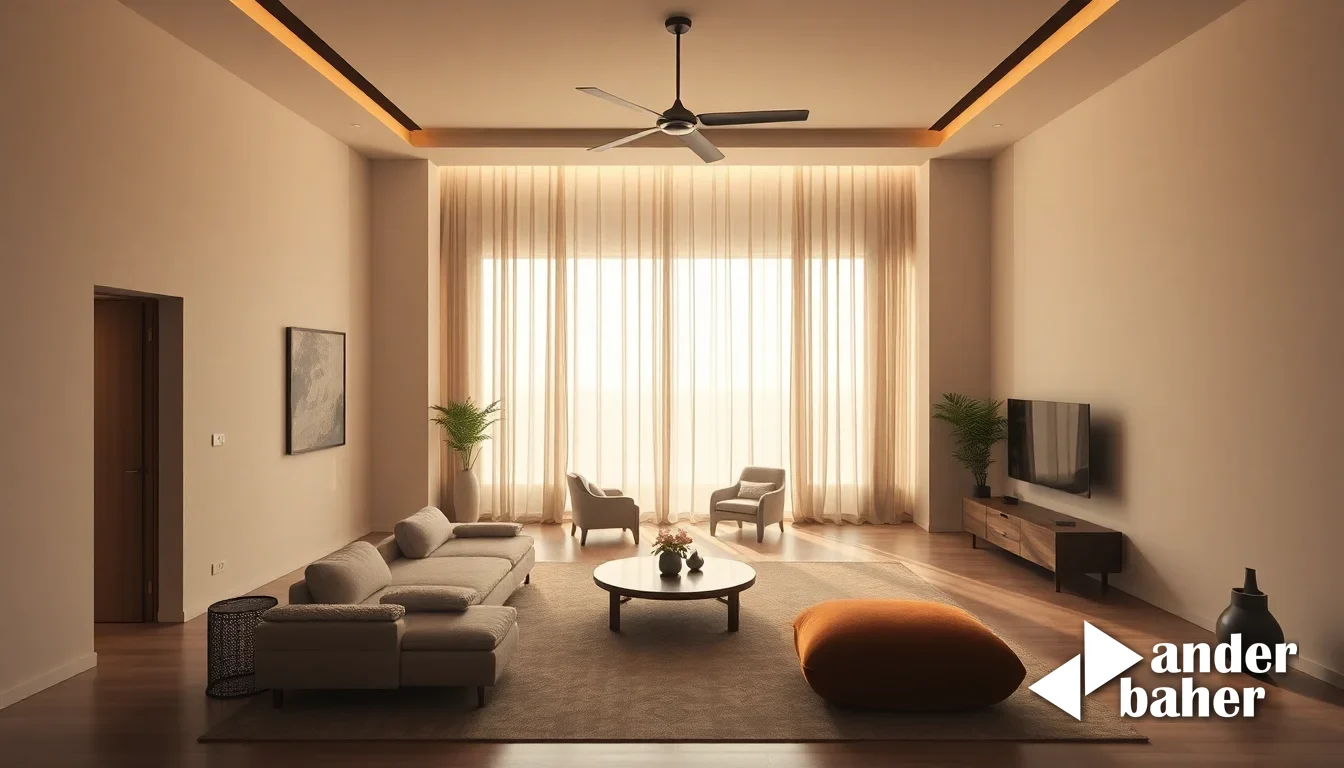
There is a particular quality to silence in a well-designed room—not the absence of sound, but its deliberate orchestration. It arrives when materials are chosen not for appearance alone, but for their capacity to absorb, dampen and transform. In newly-completed towers rising over Sarjapur Road and Yelahanka, where glass and steel dominate the envelope, this paradox becomes urgent: how do we furnish interiors that respect both the noise of the city and the owner's hunger for calm?
The answer lies not in isolation, but in intentional listening. Every surface in your home—from the jali screens that filter afternoon sun to the textile layers you choose for seating—carries acoustic weight. These decisions shape not what you hear, but how you hear it.
Sound as Material, Silence as Design
For years, interior design in India has treated acoustics as an afterthought—a problem to be solved with heavy curtains and foam panels hidden behind false ceilings. This approach mistakes silence for emptiness. Instead, consider silence as a textured presence, something you can design into a room with the same intention you'd apply to a material palette or spatial flow.
In a high-rise apartment off Yemalur or Varthur, where traffic hums below and neighbours' conversations drift through shared walls, the acoustic envelope becomes as important as thermal comfort. Thick plaster, natural wood, wool textiles and carefully positioned bookshelves don't just soften sound—they create a threshold between the interior world and the urban realm outside.
This is less about soundproofing and more about sonic layering. A room in which you can distinguish between the rain on the balcony and the hum of the air conditioning—where each sound has its place—feels expansive rather than claustrophobic.
The Language of Surfaces: What Materials Whisper
Hard surfaces reflect; soft ones absorb. This is physics, but it is also poetry. In newly-handed-over apartments at developments like Purva Atmosphere or Prestige Lakeside Habitat, most owner-occupiers inherit polished concrete floors, glass partitions and painted drywall—a palette designed for visual clarity and construction speed, not for living.
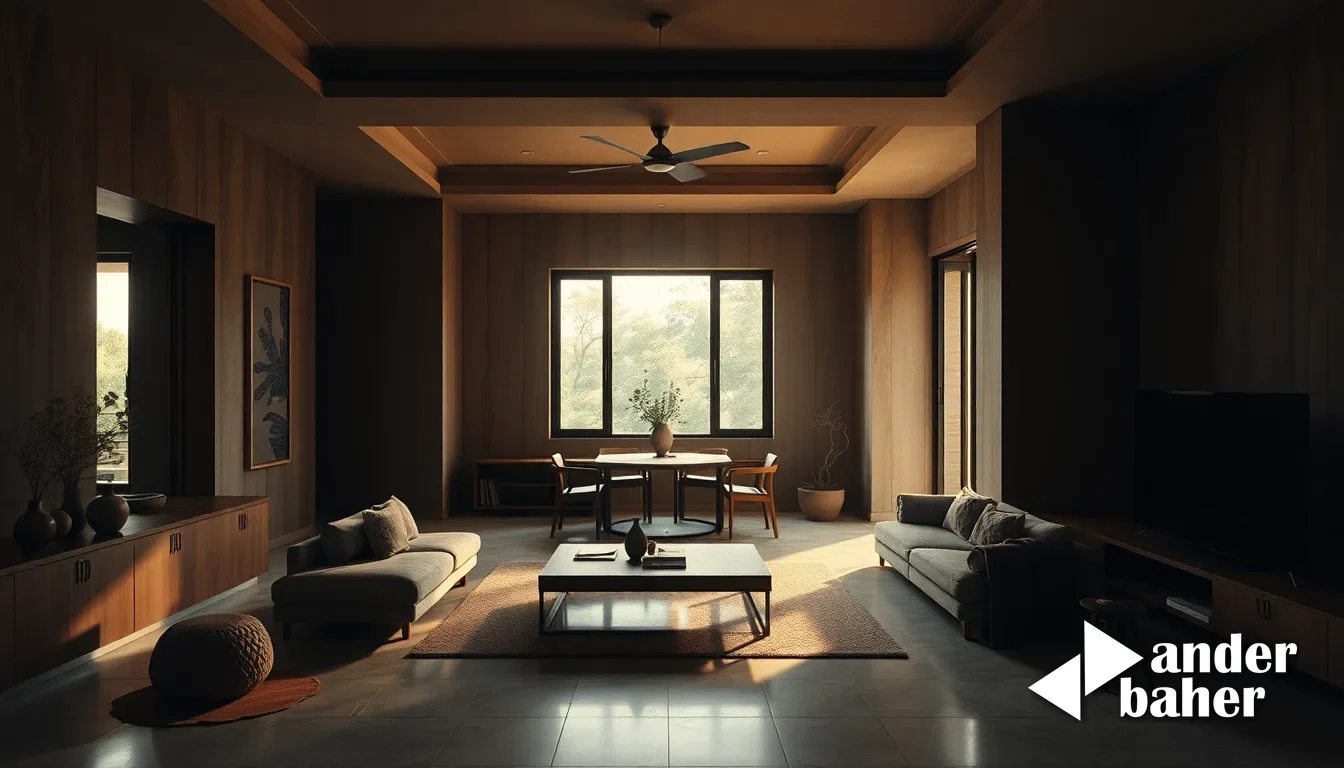
The first intervention is often textural. Introduce wood—not as a trend, but as an acoustic instrument. Unfinished plaster walls, clay tiles, woven jute and raw linen don't simply dampen sound; they age it, warming frequencies and softening the edge of unwanted noise. A single woollen rug in a living room can transform how you experience silence in that space.
For balconies that face monsoon exposure or perpetual dampness (a common challenge in Mumbai and coastal Bengaluru), consider textured stone cladding or timber screens that diffuse sound while breathing with humidity. These materials carry history in their grain; they feel less like solutions and more like honest companions to your interior life.
Designing Thresholds: Where Sound Transitions
Silence isn't a destination; it's a threshold. In apartments scattered across Bandra East, Lower Parel or Hebbal, the most successful interiors create acoustic transitions—spaces where you move from the hum of the city to the quietude of a bedroom or study without jarring shifts in pressure.
Heavy timber doors, double-layered glazing and strategic placement of bookshelves or cabinetry act as sonic buffers. A well-designed entry foyer absorbs the shock of street noise before it penetrates deeper into the home. Bedroom walls benefit from mass—thicker insulation, solid timber construction or layered drywall—that lets you arrive at genuine rest.
But the most overlooked threshold is the one between waking sound and intentional silence: the threshold of attention. When you slow down and listen—to the particular quality of light hitting a wooden surface, to the breath of a room—silence becomes audible.
Rhythm Over Uniformity
A room in which every surface absorbs sound uniformly feels deadened, airless. Instead, think in terms of rhythm. Alternate soft and reflective materials. Let a concrete feature wall sit beside a timber-clad corner. Position a textured jali screen to diffuse afternoon light while subtly redirecting sound. The goal is not silence itself, but the quality of quiet—the feeling that you are heard by the space itself.
In kitchens, where stainless steel and tile once dominated, consider a mixed palette: timber cabinetry, a stone or concrete island, textured backsplash tiles in warm terracotta or matte ceramic. The resulting acoustic environment is richer, more alive. Even in cramped kitchens in Koramangala or Whitefield apartments, this layering creates a sense of expanded quietude.
Living with Intention
Designing rooms that listen is, fundamentally, an act of respect—for the people who inhabit them, for the city that surrounds them, and for the materials themselves. It means choosing a woollen upholstery not because it's fashionable, but because it absorbs the fatigue of the day. It means selecting timber screens for a balcony not only for privacy, but for their capacity to transform harsh afternoon sun into diffused, gentle light—and in doing so, quieting the room's visual noise as well.
As you consider the interior life of your newly-handed-over apartment or your long-due renovation, invite this question into your design conversations: What will this room sound like when I'm finally quiet? Explore our integrated interior and landscape practice, which treats every surface—from acoustic panelling to material finishes—as part of a coherent sensory whole. Or generate quick AI design concepts to test how layered materials and acoustic intention might transform your specific space.
Sources & further reading
- designboom — designboom listens: jacques monneraud finds inspiration between music and silence ↗
- Dezeen — Architecture is "much the same" as music says Daniel Libeskind ↗
- designboom — fifty oak trees and stone-paved clearing shape contemporary italian piazza by ghisellini architetti ↗
- designboom — four pitched-roof volumes build timber-clad coastal house in belgium ↗
An original Ander Baher perspective, informed by the coverage above.
Frequently asked
How can I improve acoustics in a new high-rise apartment without major construction?
Layer soft materials strategically: add wool-blend rugs, upholstered seating, linen curtains and wooden wall art or shelving. These absorb sound without requiring structural changes, and they're especially effective in newly-handed-over spaces where hard finishes dominate.
Do acoustic materials have to look industrial or clinical?
Not at all. Natural materials—timber, wool, raw plaster, unfinished stone—are inherently acoustic and deeply beautiful. They age gracefully and connect interiors to the broader landscape sensibility that defines our practice.
What's the difference between soundproofing and acoustic design?
Soundproofing isolates sound; acoustic design shapes how sound behaves within a room. We focus on the latter—creating spaces where silence feels intentional and restful, not dead. This is especially important in India's dense urban contexts, where external noise is constant.
Ready to transform your space — inside or out?
Tell us a little about your home or office. We'll get back within one working day.
Book a consultation