
Magazine › Interiors
The Threshold Between Rest and Rhythm: Designing Calm Into Indian Homes
Stillness in design isn't absence—it's intentional rhythm. Discover how to embed tranquility into your home's architecture, materials and spatial flow.
By the Ander Baher Editorial Desk · 13 November 2026
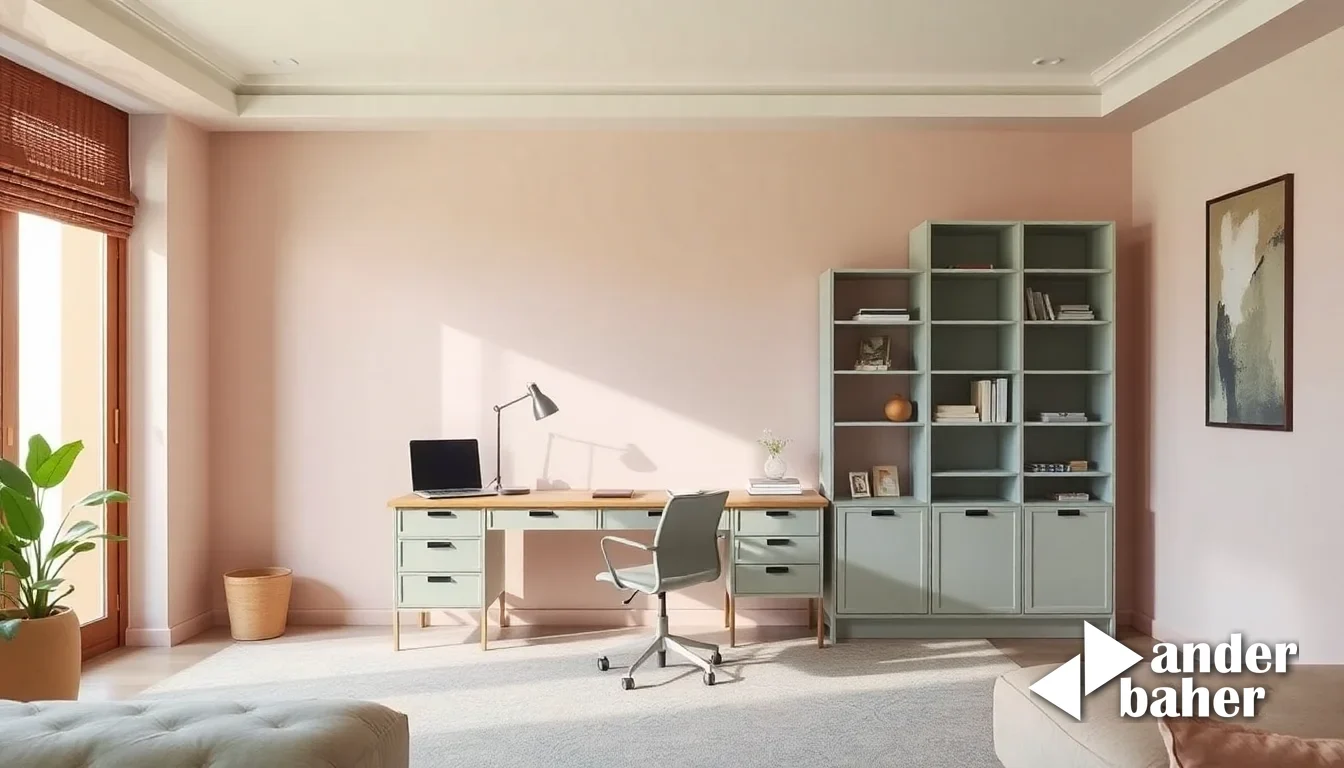
Tranquility is not emptiness. Walk into a truly restful interior—one designed with intention rather than default—and you sense it immediately: not the absence of things, but the deliberate spacing between them. A pause. A breath. In India's high-rise living, where balconies face monsoon-laden skies and living rooms double as work zones, this distinction matters more than ever.
The impulse to fill—to furnish every corner, to layer pattern upon pattern, to animate every surface—runs deep in Indian domestic culture. Yet in the glass-walled towers rising over Whitefield or the just-handed-over residences off Sarjapur Road, a new conversation is emerging: not about minimalism as aesthetic purity, but about rhythm as a structural principle. How do you orchestrate movement through a home so that the eye—and the nervous system—can settle?
Designing Spatial Pauses: What Makes an Interior Feel Calm?
Calm interiors are built on negative space—but not the cold, sterile kind. They're constructed through intentional intervals: the gap between a floating shelf and the wall behind it; the uncluttered sightline from entry to a single focal point; the breathing room around a piece of furniture that lets its form be seen rather than merely occupied.
In a newly-completed high-rise in Bengaluru's North zone, this might mean a living room where the seating arrangement creates a geometric clarity—furniture as boundaries, negative space as sanctuary. A low, horizontal credenza anchors the room without blocking the visual connection to a single, well-lit window. Vertical elements are rare and purposeful. This isn't sparse; it's composed.
The rhythm emerges from repetition with variation. A series of ceiling-hung pendant lights might decrease slightly in height as they cross the room, creating a visual melody. Wall panelling might shift from solid plaster in the living zone to subtle horizontal slats in the study nook—same language, different syntax. The eye is never jolted; it's invited to move through the home with a kind of gravitational ease.
How Do You Balance Material Honesty With Residential Comfort?
Calm also lives in material truth. Homes designed around genuine materials—natural plaster, blackened wood, untreated concrete, brass in its unpolished state—carry an inherent quietness. They age visibly, honestly. They don't demand perfection; they age into character.
In Mumbai's Lower Parel and Worli, where renovation projects often battle monsoon seepage and ageing concrete, this philosophy becomes practical as well as poetic. A wall finished in lime-based natural plaster (rather than acrylic paint over gypsum board) breathes with seasonal humidity shifts, reducing mould risk while exuding a soft, archaeological quality. It whispers rather than shouts. When combined with a restrained colour palette—ochres, terracottas, off-whites—the interior becomes a backdrop for living rather than a stage for display.
Flooring tells the same story. In a Bengaluru apartment newly handed over with builder-vanilla finishes, replacing polished vitrified tile with warm, matte natural stone or sealed concrete creates an immediate shift in atmosphere. The eye rests on surface variation rather than gloss. Footsteps sound gentler. The home feels inhabited rather than decorated.
Thresholds, Transitions & the Art of Architectural Breathing Room
Where calm truly takes root is in the transitions between zones. A threshold isn't just a doorway; it's a permission to shift mental state. Designing this well requires architectural restraint: a subtle change in ceiling height, a slight colour shift, a jali screen (traditional lattice work) that filters light rather than blocks passage entirely.
In high-rise apartments where open-plan living dominates, these transitions become critical. A kitchen separated from a living room by a low, continuous counter—rather than a full wall—creates spatial distinction without isolation. A home office carved from a corner of a larger room might be defined by a single vertical wooden element, a change of flooring material, or simply a carefully positioned light source that draws focus without segregating.
The best transitions in Indian homes account for seasonal light. A workspace designed to catch morning eastern light in winter becomes a problem zone in summer. An interior that acknowledges this—with blinds, screens, or offset positioning—feels less like a fixed stage and more like a living, breathing entity. Calm emerges when a home seems to respond to its own climate rather than resist it.
Sound, Light & the Sensory Ecology of Rest
An interior's quietness is also acoustic. Materials matter: soft furnishings (low-pile rugs, linen upholstery, wooden surfaces) absorb harsh reflection. Wall panelling or timber screens create subtle sound absorption without the deadening effect of dense insulation. In a bustling locality like Thanisandra or off Ivc Road—where the ambient noise of construction and traffic is constant—this becomes not luxury but necessity.
Light, too, is part of the rhythm. Rather than overhead fixtures that flatten the room into uniform brightness, layered lighting creates pockets of activity and rest. A low table lamp pools light for reading; ambient uplight washes walls in a subtle glow; a single pendant illuminates the dining table. The eye is never assaulted; attention is subtly guided.
Our integrated interior and landscape practice approaches this holistically: the calm of an interior amplifies when the threshold to outdoor space—a balcony or terrace—feels equally considered. A monsoon-resistant, well-drained balcony becomes an extension of rest, not a source of anxiety about water damage or dampness seeping inward.
The New Owner's Opportunity: From Builder-Vanilla to Intentional Space
If you've just taken possession of a newly-completed tower in Devanahalli, Whitefield, or a premium Mumbai address, the blank canvas in front of you—the builder's neutral paint, the standard fixtures, the uncoordinated vendor finishes—is not a constraint. It's an opportunity to begin with zero clutter, to build calmness into the DNA of your home from the first material choice onward.
This requires resisting the impulse to fill every surface, to commission bespoke everything, to layer trendy finishes atop the structure. Instead, ask: What is the one thing this room needs to feel complete? What can remain absent to let that thing breathe?
In Mumbai renovation projects, where you're inheriting outdated spatial logic and waterproofing challenges, the path is different but the principle holds: strip away the inessential, repair the material foundation with care, then introduce only those elements—objects, colours, surfaces—that create genuine daily joy or function. The rest is noise.
Stillness in a home is not about having less. It's about understanding why each thing is there, and letting the geometry of space do as much work as the objects within it. This is where real residence begins—not in a showroom aesthetic, but in the quiet confidence of a room that knows its own purpose.
Bring intention to your threshold. Explore our delivered spaces across Bengaluru and Mumbai, or estimate your interior project with our AI conceptual tools to discover how calm takes shape in your own home.
Sources & further reading
- ArchDaily — Casa Tranquilo / DADO ↗
- ArchDaily — Casa de las Lavanderas / Raúl Sanchez Architects ↗
- ArchDaily — BALSA (Self-Sufficient Boat for Laboratories and Services in the Amazon) / CASA [Ciudades Auto Sostenibles Amazónicas] ↗
- designboom — garton group architecture lines tropical costa rican home casa black in stone and timber ↗
An original Ander Baher perspective, informed by the coverage above.
Frequently asked
How do you design calm into a new apartment with open-plan living in Bengaluru?
Calm emerges through spatial rhythm: define zones using material shifts, low horizontal elements, and careful transitions rather than walls. Layer lighting to create pockets of activity and rest, use natural materials, and leave negative space intentional—never accidental.
What materials help create a restful interior in a monsoon-prone Mumbai home?
Natural plaster, lime-based finishes, untreated wood, and matte stone surfaces age honestly and breathe seasonally. These reduce mould risk while exuding quietness. Pair them with a restrained colour palette—ochres, terracottas, off-whites—for maximum calming effect.
How much does it cost to redesign a builder-vanilla apartment in Whitefield for calm interiors?
Costs vary widely based on scope: selective material upgrades (flooring, wall finishes, lighting) and spatial reconfiguration typically require qualitative assessment. A consultation with your designer can scope the investment aligned with your priorities.
Can thresholds and transitions make a small Mumbai apartment feel larger and calmer?
Yes. Subtle shifts in ceiling height, flooring material, or light rather than full walls create spatial distinction without cramping. A jali screen or low continuous counter separates zones while preserving visual flow—the room breathes.
Ready to transform your space — inside or out?
Tell us a little about your home or office. We'll get back within one working day.
Book a consultation