
Magazine › Interiors
The Living Showroom: Designing Spaces That Teach
A new generation of design showrooms invites you to inhabit possibility. How the best ones blur the line between aspiration and lived reality.
By the Ander Baher Editorial Desk · 16 November 2026
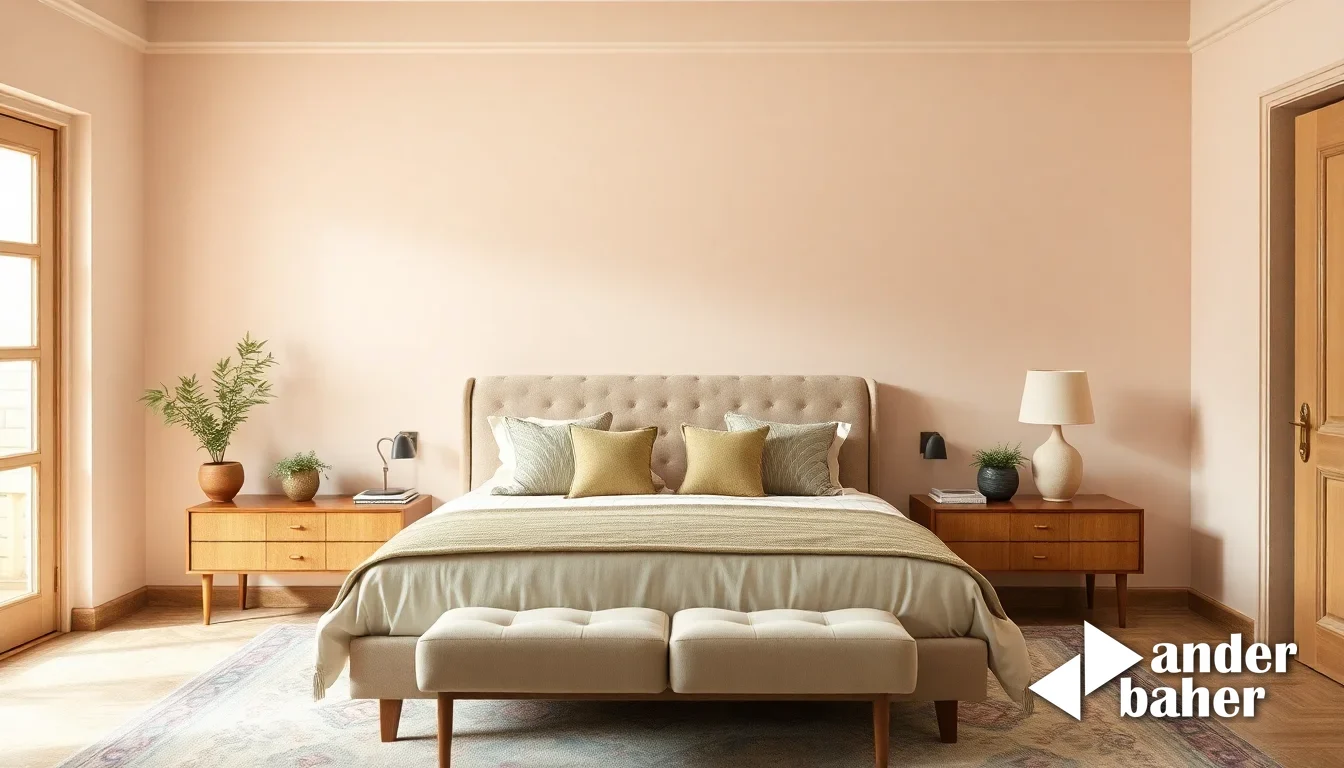
There is a particular quiet that settles over a room when you stop performing for it and simply inhabit it. This is what separates a showroom from an experience centre—and why the distinction matters for anyone about to commission their first interior, or rethink their fifth.
A traditional showroom displays finishes: marble swatches arranged under fluorescent light, kitchen cabinet doors hinged open in succession, upholstery samples stacked like a deck of cards. You walk through and collect data. An experience centre, by contrast, is a teaching space. It layers intention into every threshold, every material choice, every play of north light across a concrete wall. You walk through and understand why—and, more often than not, you begin to see your own home differently.
Why Your Newly-Handed-Over Home Needs a Design Dialogue
Possession day arrives. The tower in Devanahalli or off Sarjapur Road stands finished. You have clean walls, vanilla paint, and the dawning realisation that a builder's finishing palette is not, in fact, your finishing palette. The gap between what was promised and what you must now interpret is real—and it's where most homeowners make their first costly mistake.
A well-designed experience centre closes this gap. Not by selling you a pre-packaged aesthetic, but by making visible the logic behind material pairing, spatial proportion, and the relationship between light and surface. When you see how a warm-toned timber flooring responds to the south-facing window in a fully furnished room, you're no longer choosing in abstraction. You're seeing a choice in context—and you begin to develop taste that is, genuinely, your own.
How Material Honesty Becomes a Teaching Tool
The strongest experience centres in the premium design space—those serving the newly-completed towers rising across Whitefield, Bengaluru North, and Mumbai's Lower Parel—share a discipline: they refuse to hide. A concrete wall is finished as a trowelled concrete wall, not panelled or painted to look like stone. A timber jali screen is lit so you understand both the shadow it casts and the dust it will collect. Brass door hardware tarnishes slightly in a corner, so you see the patina that will be part of your home's ageing.
This honesty is radical in a market where so much design is rendered in digital images—impossible lighting, impossible cleanliness, impossible certainty. A physical space that acknowledges how materials actually perform—how terrazzo catches morning sun, how a stone floor feels underfoot in winter, how sound moves through a high-ceilinged room—becomes a conversation between you and reality. That conversation is worth having before your interior project begins, not after.
Designing the Threshold Between Aspiration and Lived Space
The most thoughtful experience centres occupy an in-between. They are not your home, but they are not a showroom either. They might be a single unfurnished room with light changing across it over three hours. Or a small sequence of spaces—entrance threshold, a modular kitchen nook, a bedroom corner, a balcony moment—each one a fully resolved design idea that you can literally walk into and sit in.
For the homeowner in a newly-completed high-rise facing 1,200 square feet of blank plane, this is invaluable. You can experience how a 3.2-metre ceiling feels with different finish heights, how a matte plaster wall reads against natural light at different times of day, how a carefully detailed balcony railing transforms a monsoon-facing facade into a spatial asset rather than a waterproofing problem. These lessons—lodged in your body and eye, not in a design deck—travel home with you. They make your choices more confident and more authentic.
The Architecture of Narrative Space
The discipline of designing an experience centre mirrors the discipline of designing an interior itself. Both demand that you move beyond surfaces into spatial storytelling. Both insist that every element—a door swing, the height of a shelf, the texture of a wall finish—has a reason that connects to how a human body will move through that space and how human eyes will rest on it.
When a design studio builds an experience centre, they are, in effect, designing a prototype of their own thinking. The space becomes a physical argument about proportion, materiality, light, and livability. For prospective clients, it is an invitation to a kind of architectural literacy—the ability to read how a space is constructed, and why. That literacy is exactly what you need when you're sitting across from your interior designer for the first conversation, or when you're standing in your newly-handed-over apartment trying to imagine what it could become.
The best such spaces—whether in Bengaluru's design districts or Mumbai's creative neighbourhoods—are not trying to convince you of a singular aesthetic. They're teaching you how to think. They make visible the relationship between intention and form, between material and light, between aspiration and the texture of daily living. They trust that once you understand the logic, the beauty follows naturally. And they remind you that designing a home is not about collecting a curated look, but about learning to see—and to trust what you see—in the spaces where you actually live.
When you're ready to begin your own interior journey, start by spending time in a space designed with this kind of care. Our integrated interior and landscape practice starts with the same discipline: understanding how you want to live, and building the spatial logic to support it. Explore our delivered spaces to see how intention translates into form, or speak with the studio about your next project.
Sources & further reading
- ArchDaily — Baashyaam Experience Centre / Architecture Dialogue ↗
- ArchDaily — Villa Nabu / Alexis Dornier ↗
- ArchDaily — Vegetable Building / Cho and Partners ↗
- ArchDaily — Heritage Park Mito - Wedding Venue and Restaurant / Archipatch ↗
An original Ander Baher perspective, informed by the coverage above.
Frequently asked
What is an experience centre in interior design, and how is it different from a traditional showroom?
An experience centre is a fully designed, inhabited space that teaches design logic through material honesty and spatial narrative. Unlike a traditional showroom—which displays isolated finishes and products—an experience centre shows you how materials, light, and proportion work together in a real room you can walk through and sit in.
Should I visit a design experience centre before commissioning my new apartment interior in Bengaluru or Mumbai?
Yes. Visiting an experience centre before beginning your project helps you develop taste, understand how materials perform in real light, and gain confidence in your choices. It closes the gap between builder-handed-over spaces and your own vision—especially valuable in newly-completed towers where you're starting from a blank plane.
How does a well-designed experience centre help with choosing materials and finishes for a high-rise apartment?
An experience centre lets you see how finishes—timber flooring, plaster walls, stone surfaces, brass hardware—actually perform under natural light and with daily use. You understand patina, shadow, sound, and spatial proportion in context, rather than choosing from swatches or digital renderings, making your decisions more authentic and confident.
What should I look for when visiting an interior design experience centre?
Look for spaces that show material honesty (unfinished concrete, timber that shows grain and patina); pay attention to how light changes the space throughout the day; notice how proportions make you feel; and sit in furnished areas to understand livability. The strongest centres avoid perfect styling in favour of teaching spatial logic.
Ready to transform your space — inside or out?
Tell us a little about your home or office. We'll get back within one working day.
Book a consultation