
Magazine › Interiors
The Poetry of Spent Matter: Reimagining Waste as Sculptural Form
What happens when yesterday's tea leaves become tomorrow's art? A meditation on material transformation and the quiet rebellion of waste in contemporary interiors.
By the Ander Baher Editorial Desk · 2 September 2026
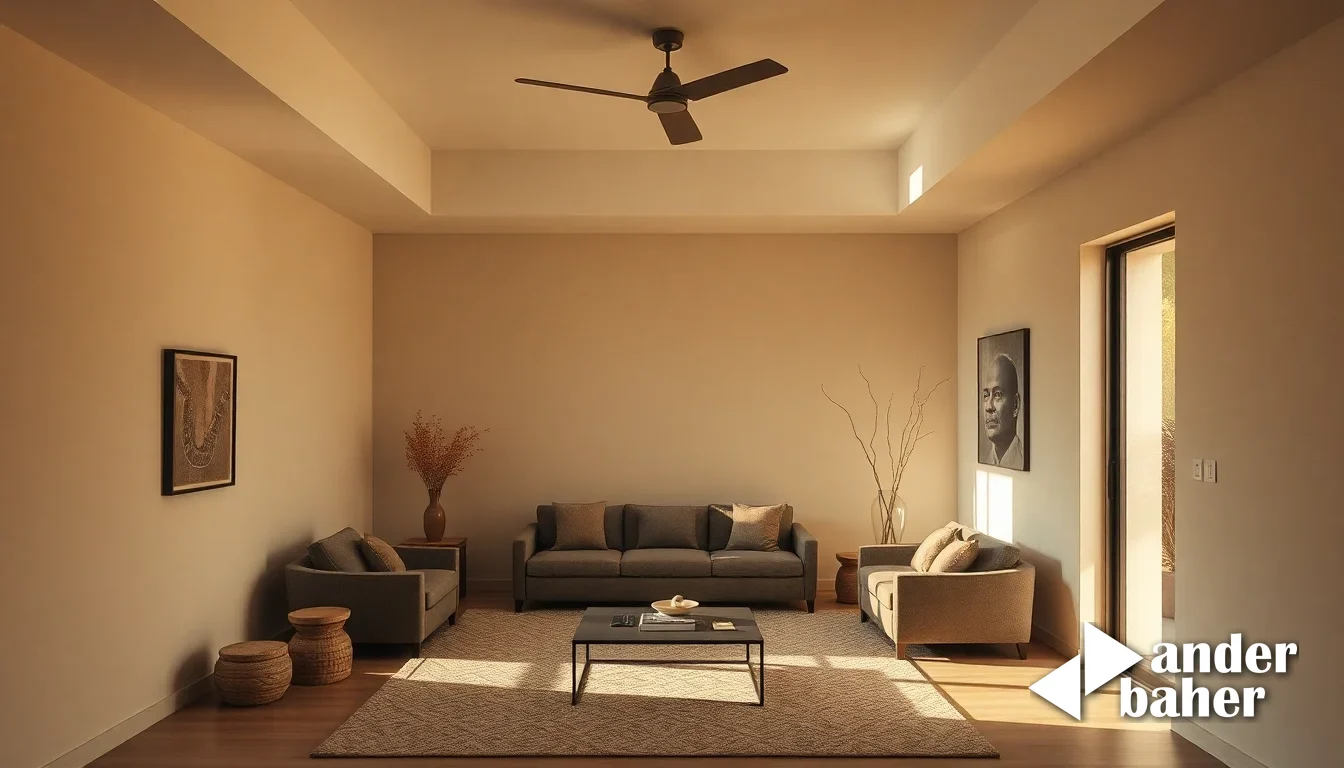
There is an intimacy to domestic waste that we rarely acknowledge. The grounds left in a cup, the filter paper dampened by yesterday's chai, the cardamom pods discarded after boiling milk for breakfast—these fragments hold the texture of lived time. What if, instead of disposal, we considered them as material reserves?
The impulse to transform refuse into form has deep roots in Indian design culture. From the recycled metal work of village artisans to the woven tapestries made from textile scraps, the logic of valorising leftover matter runs through our making traditions. Yet contemporary digital fabrication opens a different conversation: one where waste becomes not merely reused, but reinterpreted as sculptural language.
The Alchemy of Ordinary Discard
Consider the everyday debris of your kitchen. Tea leaves and coffee grounds carry within them colour, weight, and a strange kind of narrative—the record of consumption made tangible. When these materials are collected, processed, and reconstituted through digital means, they enter a new hierarchy. They become not remnants but ingredients. The scale of execution matters here; a large-form sculptural object commands presence in a room. It demands attention. It asks the inhabitant: what story does this thing carry?
In metropolitan homes—whether in Bangalore's modernist apartments or Mumbai's Victorian-era flats—interior spaces often feel disconnected from their own material genealogy. We bring curated objects into rooms; we rarely see the production behind them. A sculptural form made from domestic waste inverts this relationship. It makes visible the invisible cycle of consumption that runs through every home.
Digital Form, Domestic Matter
The marriage of 3D fabrication with organic material presents an interesting tension. Digital processes suggest precision, clean geometry, industrial neutrality. Yet the material itself—spent tea, coffee—carries warmth, impermanence, the slight variations of natural matter. This collision between sterile process and intimate material creates work that resists easy categorisation. It is neither purely artisanal nor purely manufactured. It is neither sculpture nor functional object.
For interiors, this matters. An object that confuses category—that sits between waste and art, between personal and universal—becomes a conversation anchor. It sits differently in a room than a mass-produced piece. It asks questions rather than announcing answers.
Reframing the Domestic Cycle
What these objects ultimately propose is a shift in how we think about the material breath of our homes. Not as linear—purchase, use, discard—but as cyclical. The objects we consume leave traces. Those traces can be honoured, transformed, made visible. In a climate-conscious moment, this philosophy moves beyond virtue-signalling into something deeper: a genuine reconsideration of what constitutes beauty and value in our domestic environments.
The next time you empty a teapot or rinse a coffee filter, pause. What if that daily, unremarkable act of disposal could become something more—not through moralising about waste, but through genuine creative transformation? That possibility, quietly held in your kitchen, is where contemporary design and lived experience begin to align.
Sources & further reading
- designboom — used london tea leaves and coffee waste recast as large-scale 3D printed sculptural objects ↗
- designboom — 3D printed concrete and cork shape 36 student homes in denmark ↗
- Dezeen — MVRDV "prioritises human scale" in design of colourful Miami building ↗
- ArchDaily — Climate Infrastructure at Human Scale: From Water Management to Urban Cooling ↗
An original Ander Baher perspective, informed by the coverage above.
Frequently asked
How can domestic waste be transformed into meaningful interior objects?
Spent materials—tea leaves, coffee grounds, textile scraps—are collected, processed, and reconstituted through digital fabrication into sculptural forms that carry narrative weight. The result is neither purely waste nor purely art, but a conversation between the two.
What distinguishes a waste-derived sculptural piece from mass-produced decor?
Objects made from domestic waste resist easy categorisation; they sit between personal and universal, asking questions rather than announcing answers. This ambiguity creates genuine presence in a room—quite different from curated, neutral furnishings.
Why does this approach matter for contemporary home design?
It reframes consumption as cyclical rather than linear, making visible the material genealogy of our homes. This shifts how we think about beauty and value—away from virtue-signalling toward authentic reconsideration of what belongs in our living spaces.

Ready to transform your space — inside or out?
Tell us a little about your home or office. We'll get back within one working day.
Book a consultation