
Magazine › Balcony
The Skybound Garden: Reimagining the Modern Indian Balcony
High-rise living doesn't mean sacrificing the garden. Contemporary balcony design in India is reaching new heights—literally and aesthetically.
By the Ander Baher Editorial Desk · 24 July 2026
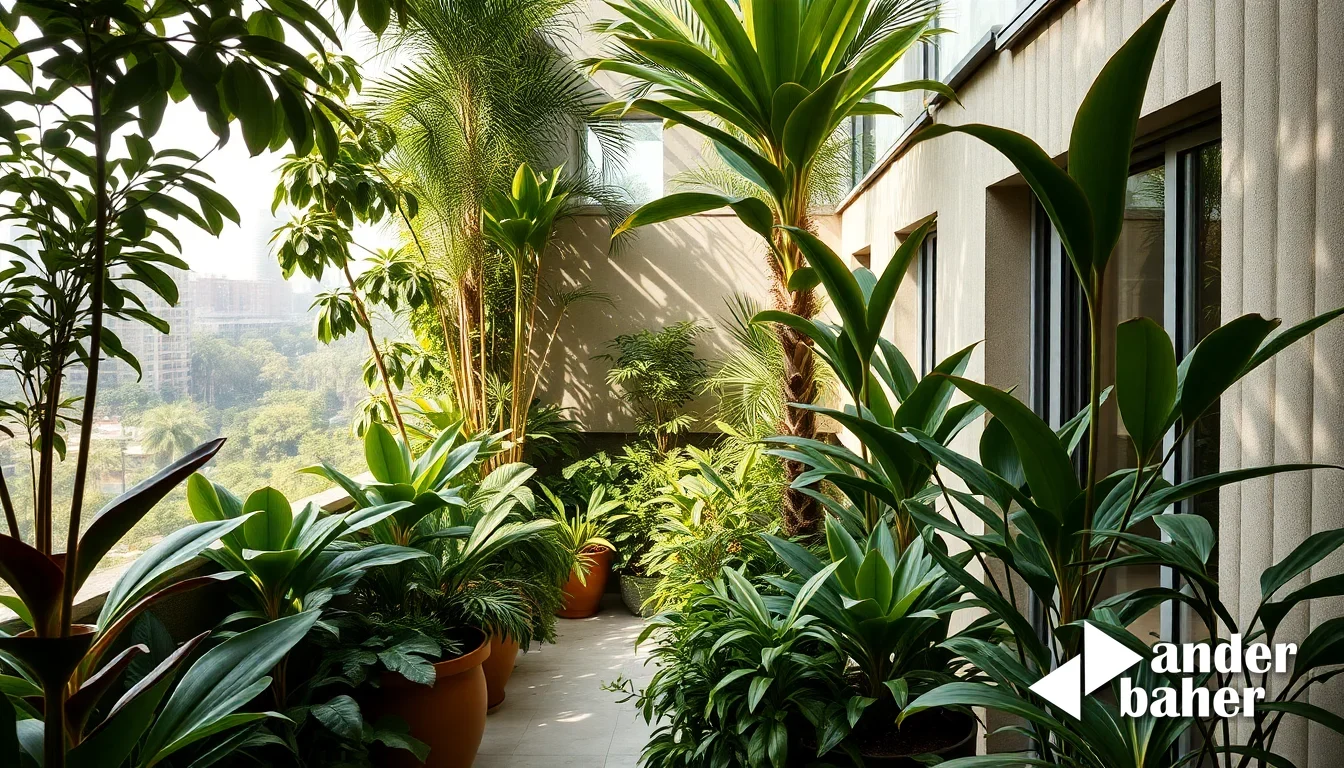
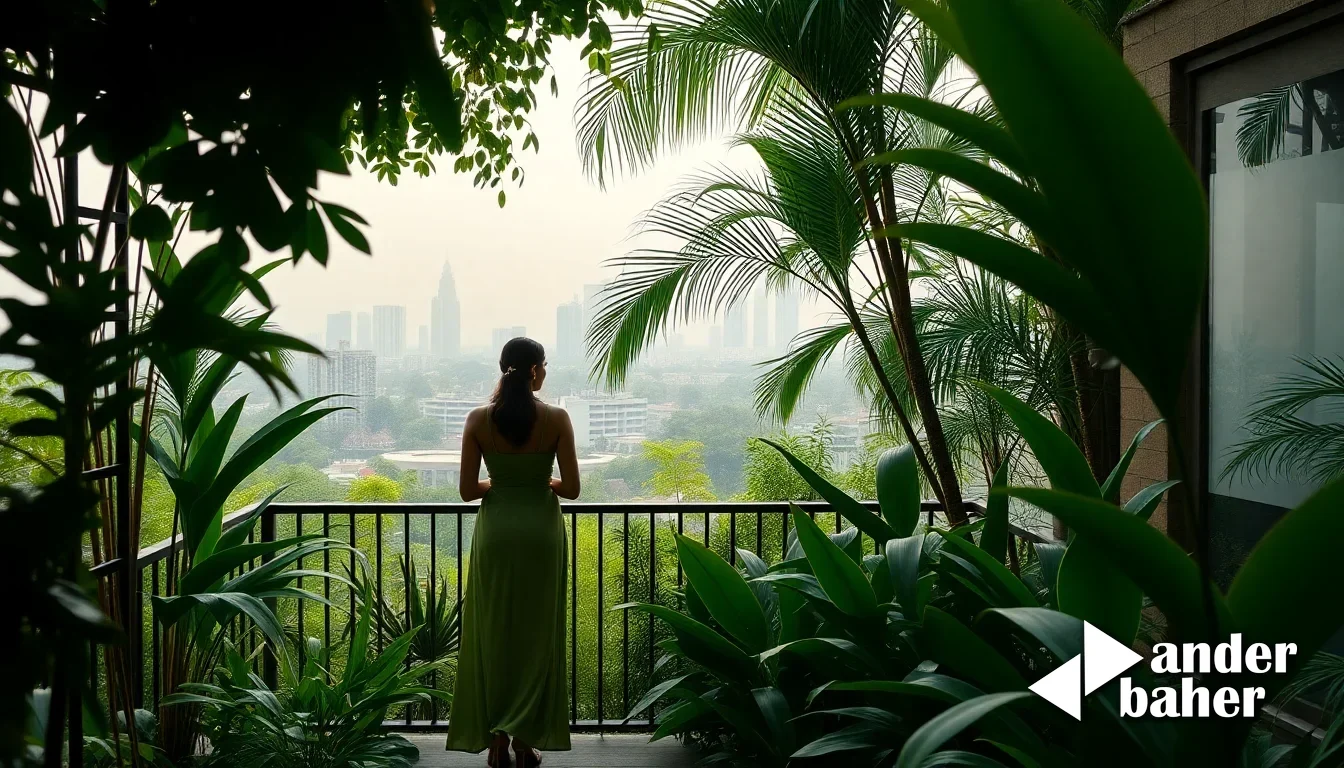
The balcony of a Mumbai high-rise at dusk, when the city lights begin their nightly conversation with the sky, feels less like a utility space and more like a threshold—between the private interior and the public sprawl beyond. This liminal quality is precisely what's reshaping how Indians design their balconies. No longer afterthoughts, these suspended landscapes have become extensions of home, galleries of personal taste, and surprisingly practical growing spaces.
Verdant Verticality
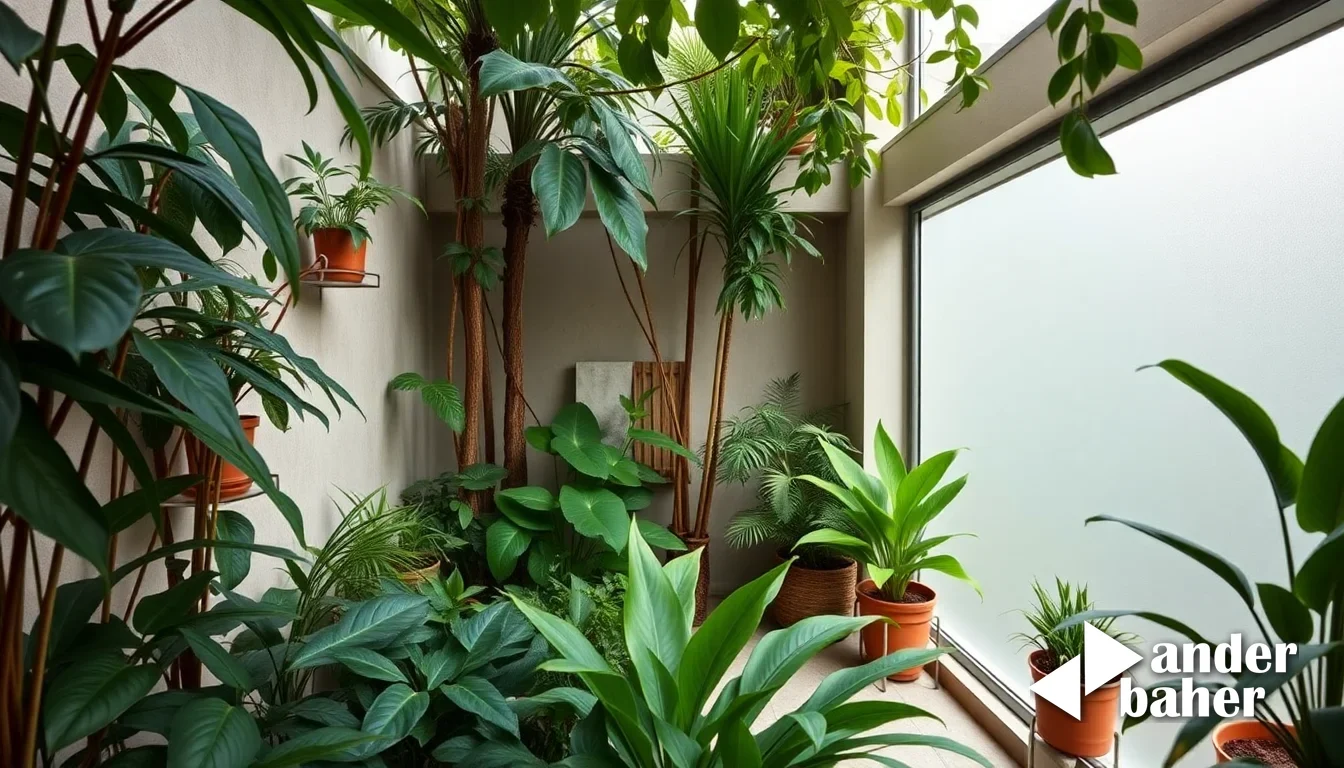
The most compelling balcony transformation happening across Indian metros involves embracing the vertical plane. Climbing jasmine, pothos, and creeping figs now scale living walls constructed from powder-coated steel frames or handwoven coir panels. What's changed is the intentionality—these aren't haphazard arrangements but carefully curated vertical gardens that filter afternoon heat, soften sight lines, and create the illusion of depth in narrow balconies typical of Bangalore apartments.
The practical advantage aligns with aesthetic ambition: vertical greening maximizes limited floor space while creating natural privacy from neighbouring units. During monsoon, these living screens manage water runoff more gracefully than conventional drainage, and they cool the facade considerably during summer months.
Material Restraint and Natural Rhythm
Contemporary balcony design increasingly favours material honesty. Rather than ornate railings, architects and homeowners are specifying powder-coated steel mesh, untreated wood screens, and raw concrete—materials that weather visibly, aging into character rather than decline. This mirrors a broader shift away from the glossy uniformity of the 2010s toward surfaces that develop patina, that show time passing.
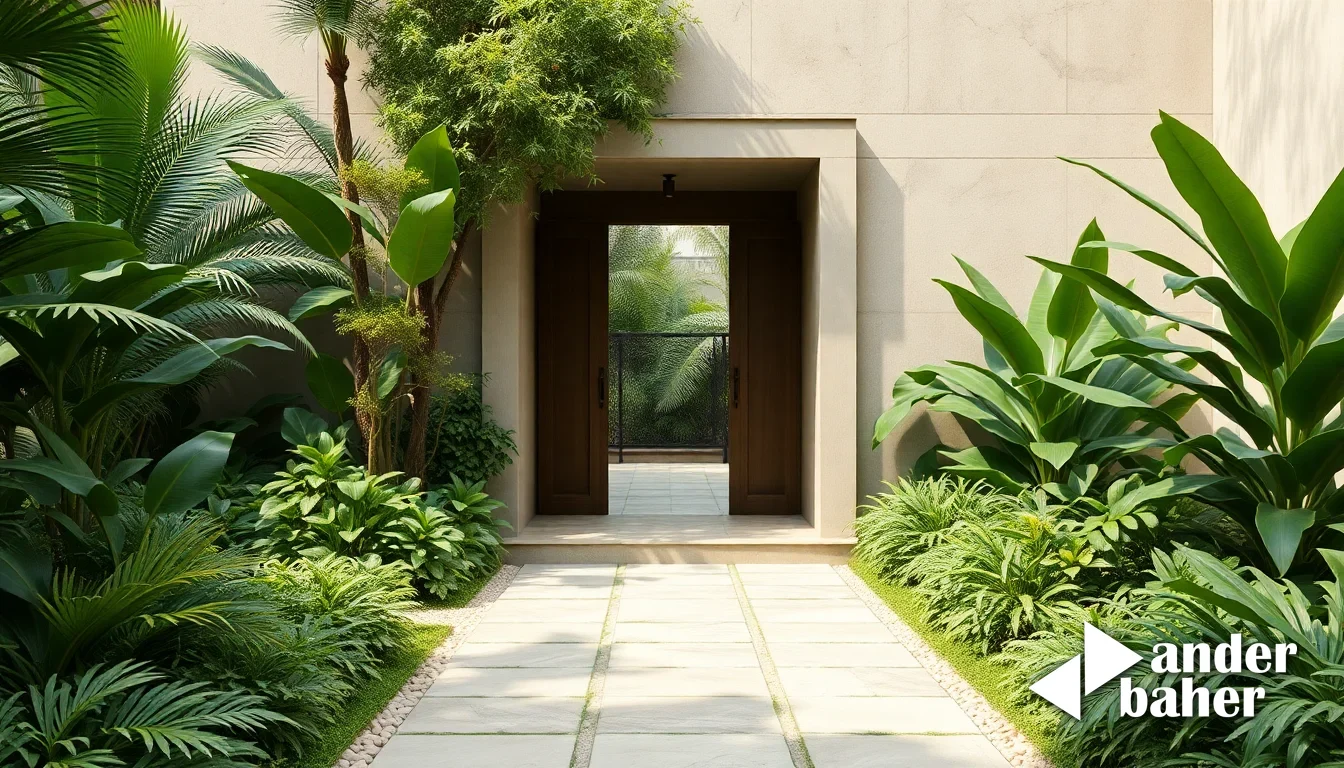
Flooring materials now account for India's climate explicitly. Permeable pavers, split-faced stone, and sustainably-harvested teak allow water drainage while remaining cool underfoot during peak heat. Many Bangalore residences are incorporating movable wooden deck tiles—a reversible choice that accommodates both garden cultivation and entertaining without permanent installation.
The Seasonal Balcony
Perhaps the most significant shift is designing balconies that respond to India's climate rather than resist it. Summer monsoons, brutal May heat, and misty winters demand flexible spaces. Designers are now specifying retractable shade structures, modular planters that adapt seasonally, and water features that serve as cooling agents during dry months. A cascading water wall becomes both visual focus and functional climate control.
Furniture has similarly evolved—rather than permanent installations, balconies now feature lightweight, weather-resistant pieces that can be rearranged or stored. Low-slung seating, modular cushions, and outdoor rugs create intimacy without claiming permanent territory.
The transformation of the urban balcony reflects a deeper reorientation toward living well within constraints. Whether your high-rise overlooks Mumbai's Marine Drive or Bangalore's IT corridor, the balcony remains that rare permission slip to pause, to cultivate something living, and to remember that even in density, there's room for the garden to reach upward.
Frequently asked
How can I maximize a small balcony space in a Bangalore apartment?
Vertical greening through living walls constructed from steel frames or coir panels transforms narrow balconies by drawing the eye upward. This approach maximizes floor space while creating natural privacy and thermal benefits without permanent installation.
What materials weather well on Indian balconies through monsoons and heat?
Powder-coated steel mesh, untreated wood screens, raw concrete, permeable pavers, and split-faced stone develop character over time while managing India's climate demands. These materials weather visibly rather than deteriorate, aging into patina that reflects time passing.
How should balcony design respond to India's seasonal climate?
Flexible, modular designs—retractable shade structures, seasonal planters, and water features—allow balconies to adapt to summer heat, monsoons, and winter mist. Lightweight, rearrangeable furniture prevents permanent claims on space while maintaining comfort.
Ready to transform your space — inside or out?
Tell us a little about your home or office. We'll get back within one working day.
Book a consultation