
Magazine › Balcony
5x4 Balconies: Designing Purpose Into Mumbai's Smallest Outdoor Rooms
A Mumbai balcony needn't feel like an afterthought. With intentional layering and restrained choices, even 20 square meters becomes an extension of how you live.
By the Ander Baher Editorial Desk · 24 July 2026
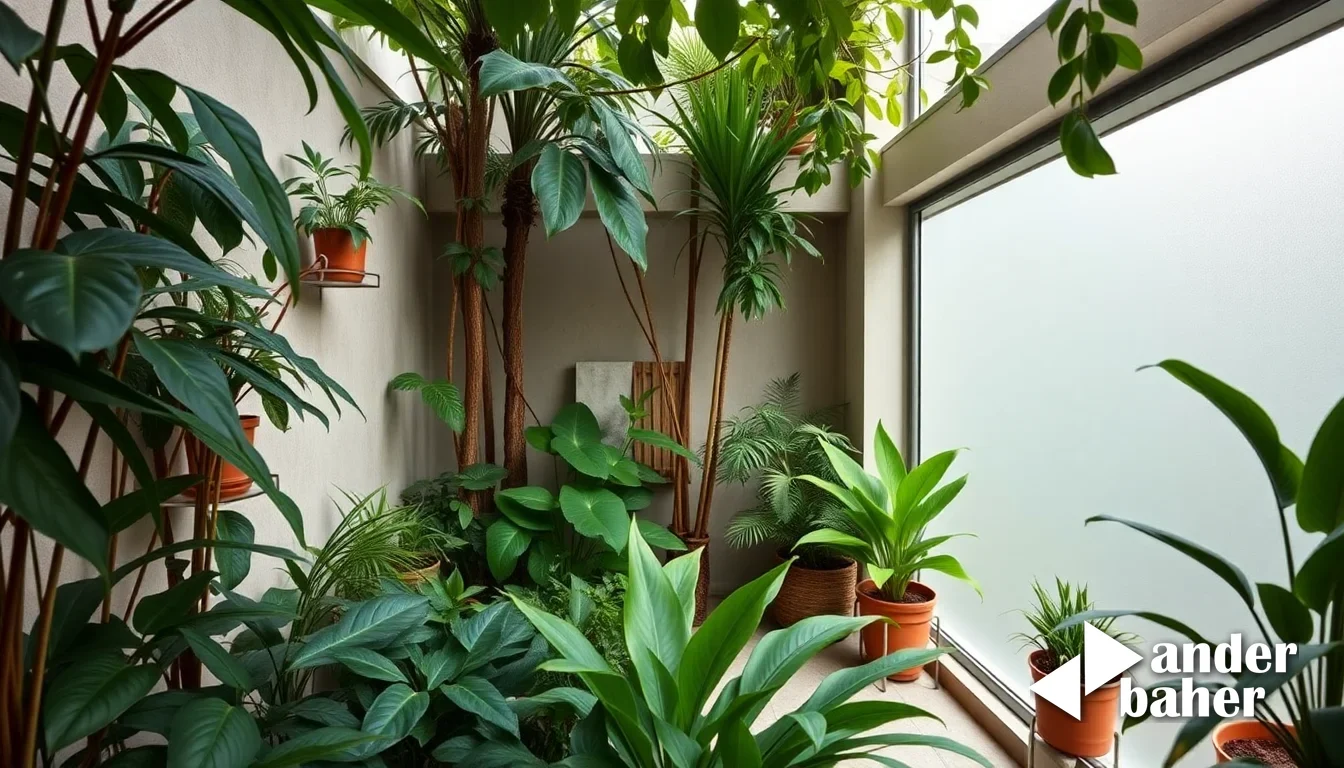
The 5x4 balcony is a study in constraint. In Mumbai's dense high-rises and Bangalore's garden apartments alike, this footprint—roughly 20 square meters—appears in countless homes as a vestigial space. A place to dry clothes. A spillover for unused furniture. A view-frame you pass without pausing.
But constraint, when understood clearly, becomes the starting point for intention. The smallest balconies often teach the clearest lessons about what actually matters in a space.
The Layering Principle
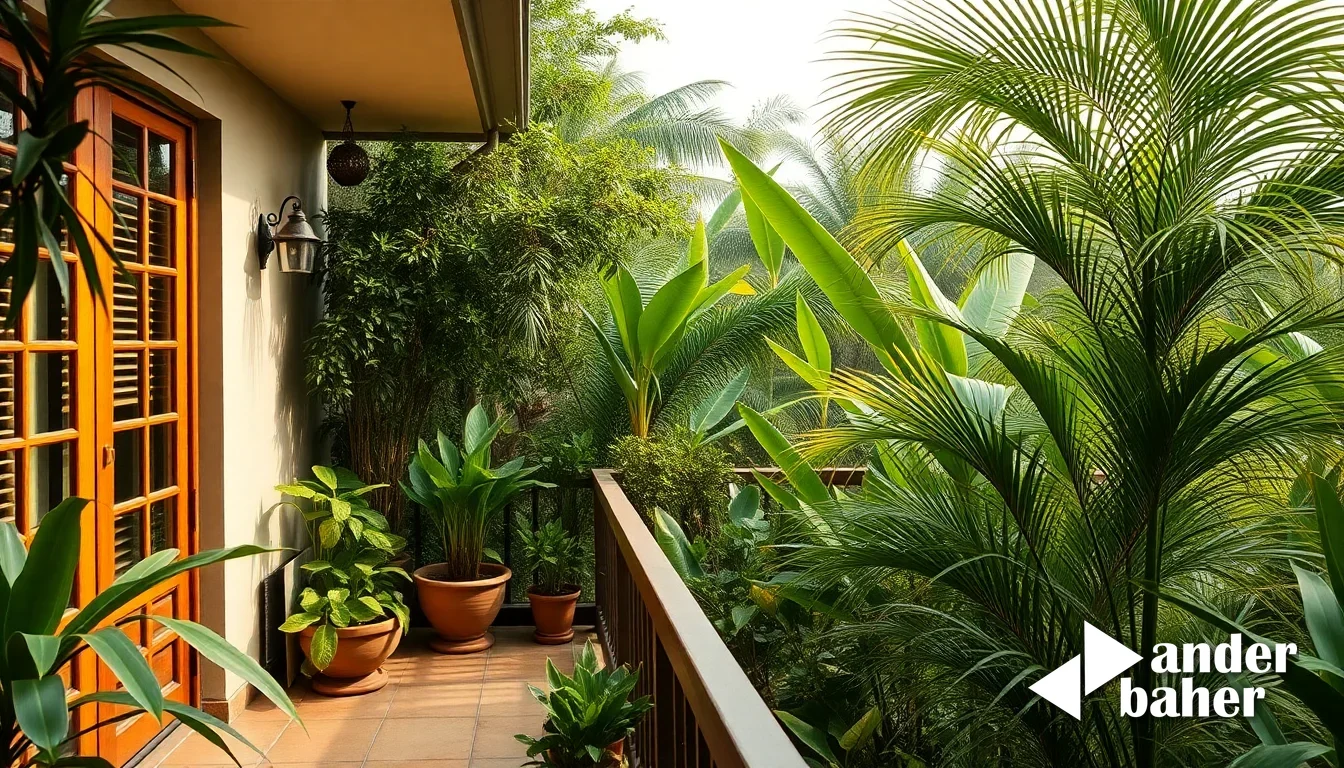
Think of the 5x4 balcony not as a room to furnish, but as a series of depths. The deepest layer—the boundary against the building facade—might hold vertical greenery or a single, substantial planter. The middle layer is where you sit or stand. The edge, where railing meets view, becomes the visual anchor that makes the space feel larger than it is.
In a Bandra apartment we visited last monsoon, the owners had removed everything except a single wooden bench—slatted, weathered from two years of salt-tinged air—positioned perpendicular to the railing. A single fiddle-leaf fig in a terracotta pot sat at one corner. The effect wasn't sparse; it was resolved. The eye could move through the space without friction.
Materiality Over Multiplication
Rather than populate a small balcony with varied furniture pieces, choose one material family and commit to it. Teak weathers beautifully in Mumbai's humidity. Concrete (whether poured or as pavers) grounds a space without visual noise. Even inexpensive coir or jute works as a textural anchor when it's the only soft element present.
In a Bangalore apartment on Indiranagar's tree-lined streets, we saw a balcony resolved entirely in warm grey limestone pavers with wooden railings. A single low bench in iroko wood. No pots, no accessories—just a reading light mounted above the bench and the canopy of neem leaves beyond the railing. The material restraint made the space feel architecturally complete, not starved.
Vertical Thinking, Horizontal Living
The 5x4 balcony rarely has room for the living you imagine. It has room, instead, for a different kind of living—one that's vertical, layered, small-scale. A wall-mounted planter system. A single, narrow shelf for books. A bird-feeding tray that doubles as a meditation point. These aren't compromises; they're a different language of inhabitation.
The monsoon months in Mumbai, or the pre-summer heat in Bangalore, change how a balcony functions. A space that feels too small for sitting becomes exactly right for standing, watching, breathing outside air. Design for that first. The rest follows.
The Closing View
The most successful small balconies in both cities share a common feature: they've stopped trying to be something else. Not a second living room. Not a garden. Not a laundry station. They're balconies—threshold spaces where the boundary between inside and outside becomes the point, not an obstacle. Within that clarity, even 5x4 meters becomes enough.
Frequently asked
How do I make a 5x4 balcony feel larger without clutter?
Embrace the layering principle: position one substantial element against the facade, keep the middle clear for movement, and let the railing edge anchor the view. Material restraint—committing to a single material family—creates visual resolution rather than spatial emptiness.
What materials work best for Mumbai balconies in monsoon climates?
Teak and concrete weather beautifully in humidity and salt air; warm limestone grounds a space without visual noise. Choose one material and commit to it rather than mixing textures—the restraint itself becomes the design.
Should I furnish a small balcony for sitting or viewing?
Design for standing, watching, and breathing outside air first—especially during monsoon in Mumbai or pre-summer heat in Bangalore. A single narrow shelf, wall-mounted planter system, or meditation point serves the balcony's true function as a threshold space.
Ready to transform your space — inside or out?
Tell us a little about your home or office. We'll get back within one working day.
Book a consultation