
Magazine › Architecture
The Entrance as Threshold: Designing Doors That Welcome
Your front door is architecture's first conversation. How to craft an entrance that bridges the public and private, the mundane and the meaningful.
By the Ander Baher Editorial Desk
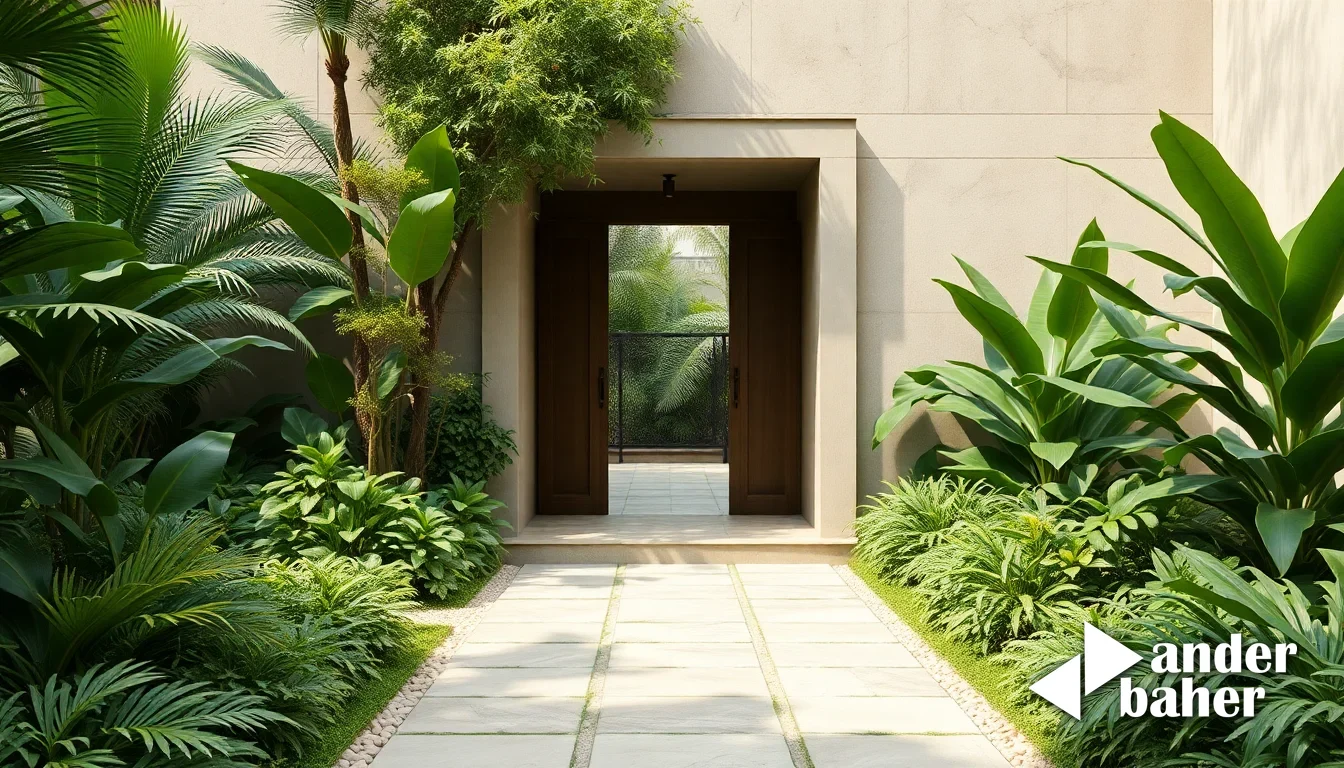
The front door arrives before you do. A visitor registers its wood, its hardware, its colour—whether it swings open with ease or resists—before crossing into your home. For this reason, the entrance door deserves to be designed with the same intentionality as any room within. It is not merely a barrier between inside and out, but a threshold that speaks to how you live, what you value, and how you wish to be approached.
Beyond Function
In contemporary Indian homes, the entrance door has become less an afterthought and more a canvas for architectural expression. Where once a standard painted wooden frame sufficed, homeowners and designers now consider proportion, material, and craft as seriously as they would a kitchen renovation. A well-designed door announces itself not through aggression but through presence—through the quality of its joinery, the depth of its colour, or the unexpected grain of the wood chosen.
The most compelling entrances work because they acknowledge their context. A Mumbai high-rise entrance differs vastly from a Bangalore home tucked behind a garden. In coastal cities, doors face salt air and seasonal humidity; the choice of wood species, finish, and hardware must account for durability alongside aesthetics. A teak or rosewood door in Bangalore's dry climate reads differently than the same material in the monsoon belt. These are not merely design preferences but practical inheritances of place.
Material as Language
The language of doors speaks through materials. Reclaimed timber carries history; a door fashioned from salvaged wood tells of previous lives and seasons. Steel and glass combinations introduce transparency and contemporary geometry to traditional facades. Brass and bronze hardware patinas over time, deepening the door's character year by year. Some designers pair warm timber frames with cooler metal inlays, creating visual and tactile contrast that invites touch.
Proportions matter enormously. A door that is too narrow reads as pinched; one that is oversized can dominate a modest facade. The relationship between the door's height, width, and the surrounding wall should feel inevitable, as though no other dimension would suffice. Similarly, the threshold itself—that narrow strip where interior flooring meets exterior—deserves consideration. It can be a subtle material shift or a pronounced step that literally elevates the passage into your home.
The Detail That Lingers
What transforms a functional door into a designed one is often an almost invisible decision: the reveal between frame and wall, the subtle shadow line created by a recessed handle, the choice to finish the back of the door with the same care as the front. These details accumulate to create an impression of intention and craft.
An entrance door designed with thought becomes a daily ritual. It is what you touch each morning and evening, what guests see first, what frames the light as it enters your home. When materials, proportion, and craft align, the door stops being something you pass through and becomes something you inhabit, even in those fleeting seconds of arrival and departure.
Sources & further reading
- ArchDaily — Beyond the Handmade Aesthetic: Why Craft Needs New Construction Economies ↗
- designboom — designboom shop drop: material & craft celebration of tactile design objects ↗
- ArchDaily — What is Blue Infrastructure? Rethinking Water's Role in City Design ↗
- ArchDaily — The Inner Court House / Plus Idea Studio ↗
An original Ander Baher perspective, informed by the coverage above.
Frequently asked
How should I choose materials for an entrance door in a coastal or humid climate?
Teak and rosewood perform differently depending on your location—coastal cities like Mumbai demand materials and finishes that resist salt air and seasonal humidity, while Bangalore's drier climate allows for a broader material palette. The wood species, finish quality, and hardware durability must be calibrated to your specific microclimate.
What makes a well-designed entrance door different from a standard one?
A thoughtfully designed door announces itself through presence rather than aggression—via the quality of its joinery, the depth of its colour, and considered proportions that feel inevitable within their architectural context. Details like recessed handles, consistent finishing on both sides, and the threshold transition elevate a functional door into one that becomes part of your daily ritual.
How important are proportions in entrance door design?
Proportions are essential. A door that is too narrow reads as pinched; an oversized one can dominate a modest facade. The relationship between the door's height, width, and surrounding wall should feel inevitable, creating visual harmony with the overall architectural expression.


Ready to transform your space — inside or out?
Tell us a little about your home or office. We'll get back within one working day.
Book a consultation