
Magazine › Balcony
Mumbai's Quiet Revolution in Vertical Living
How a new generation of designers is transforming Mumbai's cramped balconies into intimate outdoor rooms that capture the Arabian Sea breeze.
By the Ander Baher Editorial Desk · 17 August 2026
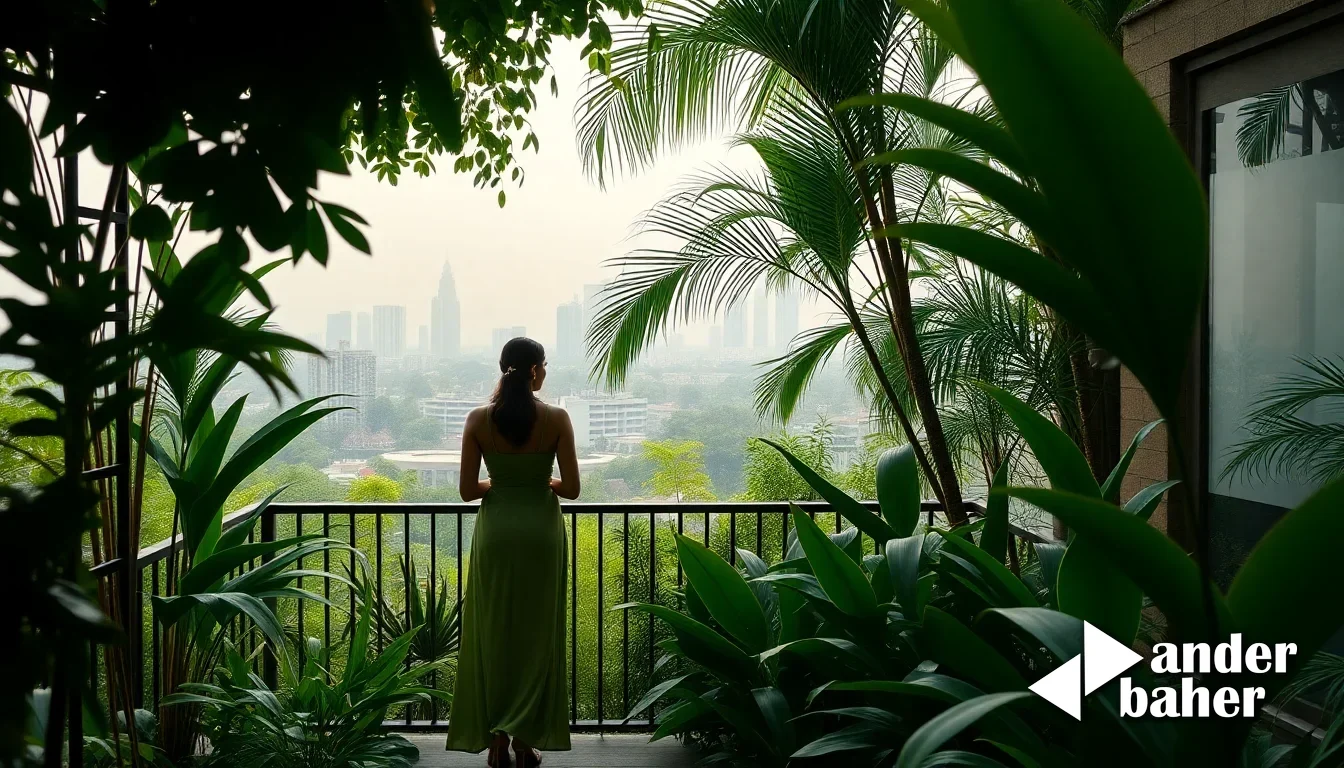
On a monsoon evening in South Mumbai, a balcony measuring just 80 square feet becomes an argument between a young designer and her client. The owner wants it all: a herb garden, a seating area, a view of the Arabian Sea. The designer, Priya Mehta, stands with her arms crossed, looking out at the western sky turning the colour of mango skin. She says simply: "We subtract, we don't add."
This philosophy—drawn from Japanese spatial thinking and born from necessity in a city where every inch costs—defines a quiet revolution happening across Mumbai's residential towers. Balcony design has stopped being an afterthought, the place where air conditioners gather and forgotten laundry dries. Instead, it has become the most intimate room in the home.
Reading the Mumbai Balcony
A balcony in Mumbai is not merely architecture. It is a negotiation between the sea wind and summer heat, between the need for privacy and the desire to be seen. The best designers working in the city understand this conversation intuitively. They know which directions catch the harshest sun at 3 p.m. in May. They know how the monsoon rains blow sideways, not down. They design not for Instagram perfection, but for the texture of actual living—for the woman who wants to read with her feet up at sunset, for the man who tends bonsai before dawn, for the family that eats dinner here when the power cuts.
Mehta, who has designed over 200 balconies across Bandra, Worli, and Fort, works with a material palette that respects the climate: teak screening that weathers to silver, powder-coated steel that won't rust in salt air, outdoor fabrics that breathe. Her balconies feel lived-in from day one, not showroom-fresh.
The Grammar of Small Spaces
What distinguishes contemporary Mumbai balcony design from generic Instagram trends is restraint. A single sculptural planter. One well-chosen teak bench. Vertical gardens that climb rather than sprawl. The best designers speak the language of Japanese gardens and Persian courtyards—traditions that understood how to make 800 square feet feel like a palace through thoughtful proportion and negative space.
The cost rarely matters less than the intention. A simple concrete bench with proper drainage, paired with climbing jasmine and ambient lighting, transforms a balcony from functional to essential. These designers are not selling luxury; they are selling relief.
Seasonal Living Returns
What makes this moment significant is that balcony design in Mumbai is becoming seasonal again. Post-monsoon, the balcony opens fully. In May, it retreats behind screens. The designer's job is to anticipate these rhythms—to create spaces that breathe with the city's temperament rather than fight it.
As Mumbai's population presses harder against its geography, the balcony has ceased to be marginal. It is where the city's rhythm becomes personal. A good designer understands that a 6-by-13-foot rectangle of concrete, when considered seriously, becomes the most valuable room in the home.
Frequently asked
How do premium designers approach small balconies in Mumbai's high-rises?
The best approach—exemplified by designers working across Bandra, Worli, and Fort—prioritises restraint and climate-responsive materials like teak screening and salt-resistant powder-coated steel. They design for actual seasonal living rhythms rather than aesthetic perfection.
What makes a balcony feel lived-in rather than staged in Mumbai's climate?
Understanding how monsoon rains blow sideways, how afternoon sun angles change seasonally, and designing with breathable outdoor fabrics and proper drainage. A single well-chosen element—a sculptural planter, ambient lighting, climbing jasmine—transforms function into essential space.
Can a compact balcony actually become the most valuable room in a Mumbai apartment?
Yes, when treated with the spatial grammar of Japanese gardens or Persian courtyards. Thoughtful proportion, negative space, and seasonal flexibility transform even a 6-by-13-foot rectangle into intimate living that relieves the pressure of vertical city life.
Ready to transform your space — inside or out?
Tell us a little about your home or office. We'll get back within one working day.
Book a consultation