
Magazine › Interiors
Interior Design in Bangalore's RT Nagar
How a neighbourhood of tree-lined streets and heritage homes became a laboratory for thoughtful, climate-conscious interiors.
By the Ander Baher Editorial Desk · 29 July 2026
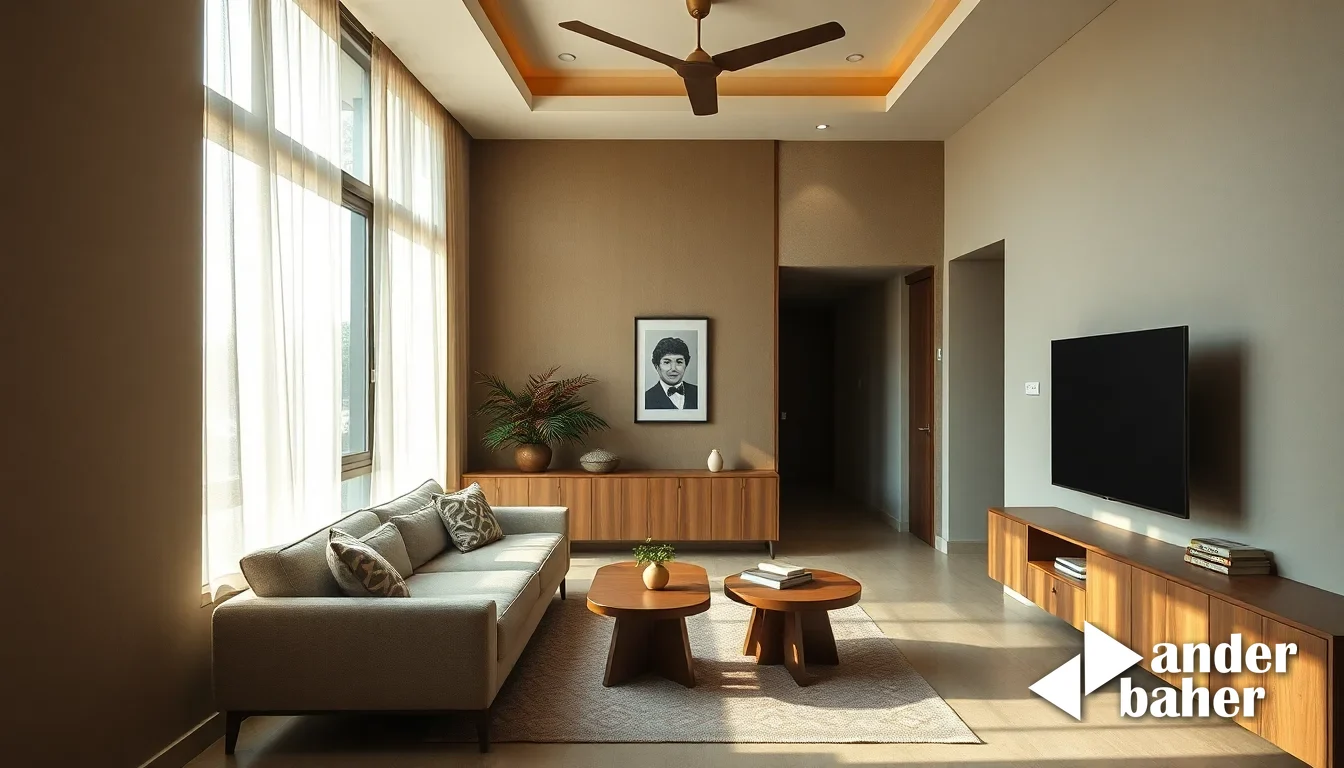
RT Nagar has the kind of stillness that makes you notice light differently. Tree-lined streets. Bungalows with deep verandas. The sort of neighbourhood where conversations about home happen slowly, over chai, where clients and designers sit together and talk about how a room should feel before discussing what it should look like. It's this particular quality—this thoughtfulness—that has drawn some of Bangalore's most considered interior practitioners to the area.
What distinguishes the design conversation here isn't trend-chasing. It's an almost stubborn commitment to understanding how homes live across seasons, how materials age, how light moves through a space at different times of day. The practitioners working in and around RT Nagar tend to share something: they treat renovation and design as acts of listening.
Design as Conversation
Several established studios have made RT Nagar their home precisely because the neighbourhood attracts a certain kind of client—one willing to invest time in process. The older homes here, many built in the 1970s and 1980s, have good bones and generous proportions. They ask for restoration rather than demolition, for thoughtful adaptation rather than wholesale reimagining.
This has naturally led to practices that prioritize materiality and craft. Local designers working in the area have developed deep relationships with artisans—plasterers, tile-makers, carpenters—who understand how to work with the climate. There's a shared vocabulary around keeping homes cool without heavy air-conditioning, about choosing materials that breathe, about designing storage that doesn't feel like intrusion.
The Language of Restraint
What you notice in well-executed projects across RT Nagar is an absence of noise. Palettes tend toward warm neutrals, natural wood tones, muted terracottas. Furniture is often custom—designed to fit the specific dimensions of a room rather than selected from showroom catalogues. There's an intentionality that reads as calm.
This isn't minimalism for its own sake. It's more like an understanding that in Bangalore's climate, with its particular quality of light and the way monsoon rains sound on tile roofs, restraint actually creates more room for living. A well-designed RT Nagar home feels unhurried.
Finding Your Designer
The best way to find practitioners working thoughtfully in the area is often through direct recommendation—word moves quietly through the neighbourhood. Many designers maintain small practices, taking on a limited number of projects annually. This isn't a constraint; it's a choice that allows for genuine collaboration.
When beginning a conversation with a designer, bring reference images, yes, but more importantly, bring stories. Tell them how your family moves through the home. Describe what time of day you're usually there. Mention which rooms hold the most light and which feel coolest in summer. The designers worth your time will ask these questions before they show you mood boards.
RT Nagar's design community operates on a principle that feels increasingly rare: that a well-designed home is one that improves with time, that serves its inhabitants with quiet reliability, and that looks beautiful not because it's on trend but because it's fundamentally right for how you live.
Frequently asked
What makes RT Nagar different from other Bangalore neighbourhoods for interior design?
RT Nagar attracts practitioners and clients committed to process over trend. The older homes here—many built in the 1970s–80s—have generous proportions and good bones that reward restoration and thoughtful adaptation rather than demolition, fostering a design culture centred on materiality, craft, and understanding how spaces live across seasons.
How do designers in RT Nagar approach cooling and climate in home design?
Rather than relying heavily on air-conditioning, designers working in the area develop strategies around breathable materials, strategic storage, and spatial planning that responds to Bangalore's climate and light patterns—working closely with local artisans who understand these vernacular principles.
What should I bring to an initial consultation with an RT Nagar designer?
Beyond reference images, bring stories: describe how your family moves through the home, which rooms hold the most light, where it feels coolest in summer, and the rhythms of your daily life. The designers worth your time will ask these questions before presenting mood boards.
Ready to transform your space — inside or out?
Tell us a little about your home or office. We'll get back within one working day.
Book a consultation