
Magazine › Interiors
The Quiet Rebellion: Remaking Luxury for Indian Homes
True luxury is no longer about proclamation. Contemporary design studios are stripping away excess to reveal what actually matters—restraint, craft, and the spaces where life genuinely happens.
By the Ander Baher Editorial Desk · 27 September 2026
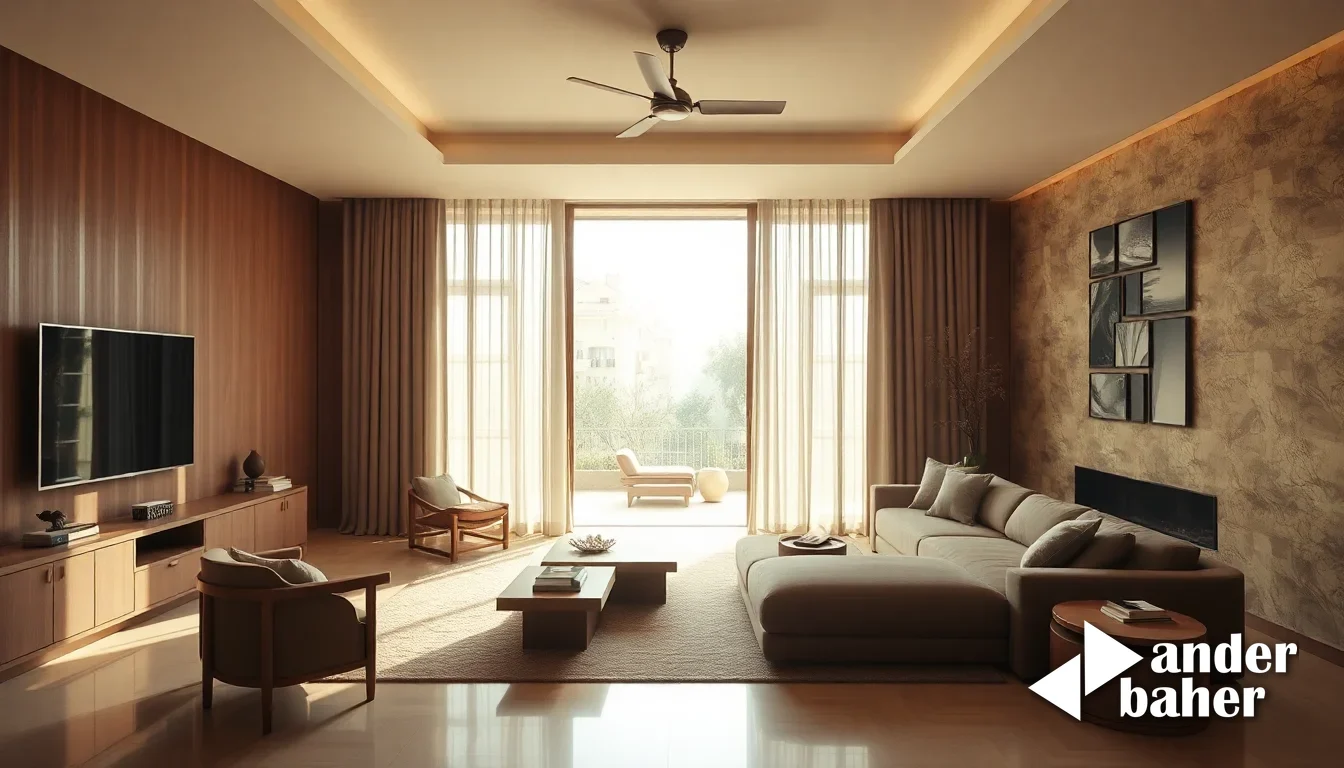
Walk into a home designed by the wave of studios quietly reshaping luxury, and you notice something first: silence. Not the silence of emptiness, but of intention. The velvet chairs don't announce themselves. The light arrives as if it was always there. Materials whisper rather than shout. This is the new language of affluence—and it speaks directly to how thoughtful Indian homes are being reimagined today.
For decades, luxury design followed a predictable script: maximalism, signature pieces, the deliberate display of taste and means. A Mumbai penthouse became a gallery for statement furniture. A Bangalore villa accumulated objects like proof of cultivation. But something has shifted. The homes that feel most alive now are those where design has learned to step back.
Stripping Away the Obvious
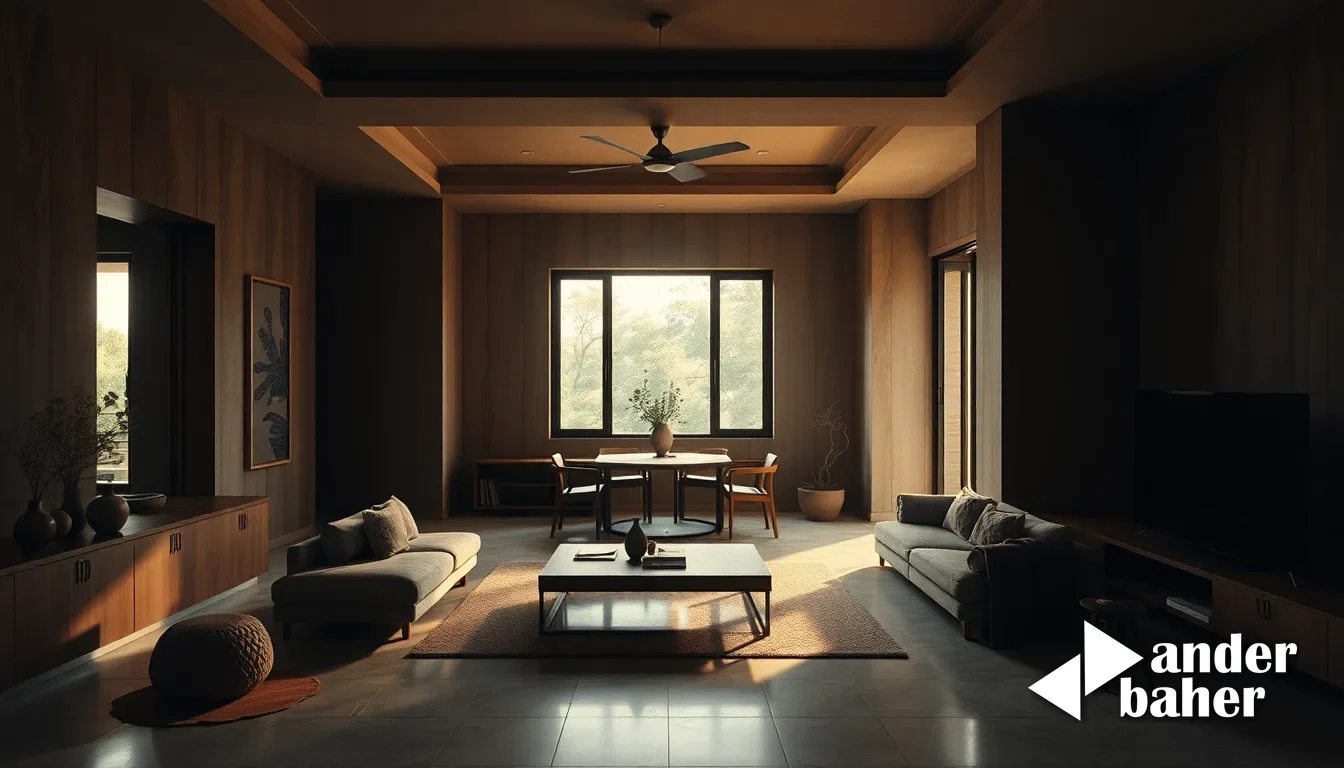
Contemporary design studios working across both established and emerging markets are doing something radical: they're treating luxury not as accumulation but as subtraction. The restraint begins with colour. Instead of the safe whites and creams that dominated high-end interiors, there's a new comfort with quiet greys, warm blacks, and the unfinished tones of materials themselves—concrete, raw wood, oxidised metal. In a Mumbai apartment, this might mean letting the original brick wall speak, rather than concealing it. In a Bangalore home, it's the decision to leave plaster raw, to let a room's skeleton show through.
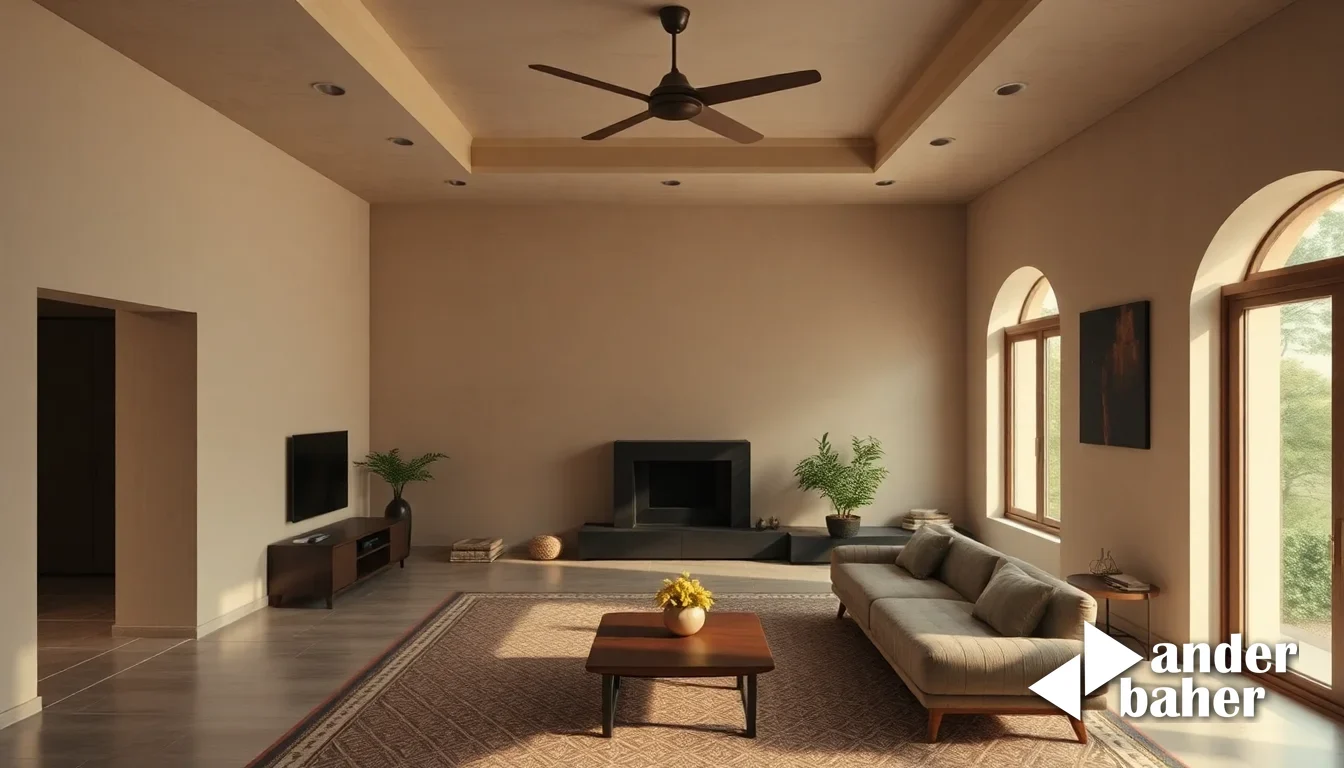
This philosophy extends to how spaces are proportioned and furnished. There's generosity in emptiness. A room with only essential pieces isn't sparse—it's edited. The sofa is positioned to catch specific light. The console table exists because that corner needed it, not because symmetry demanded it. This is the opposite of the maximalist impulse that once defined aspirational Indian interiors.
Craft Over Brand
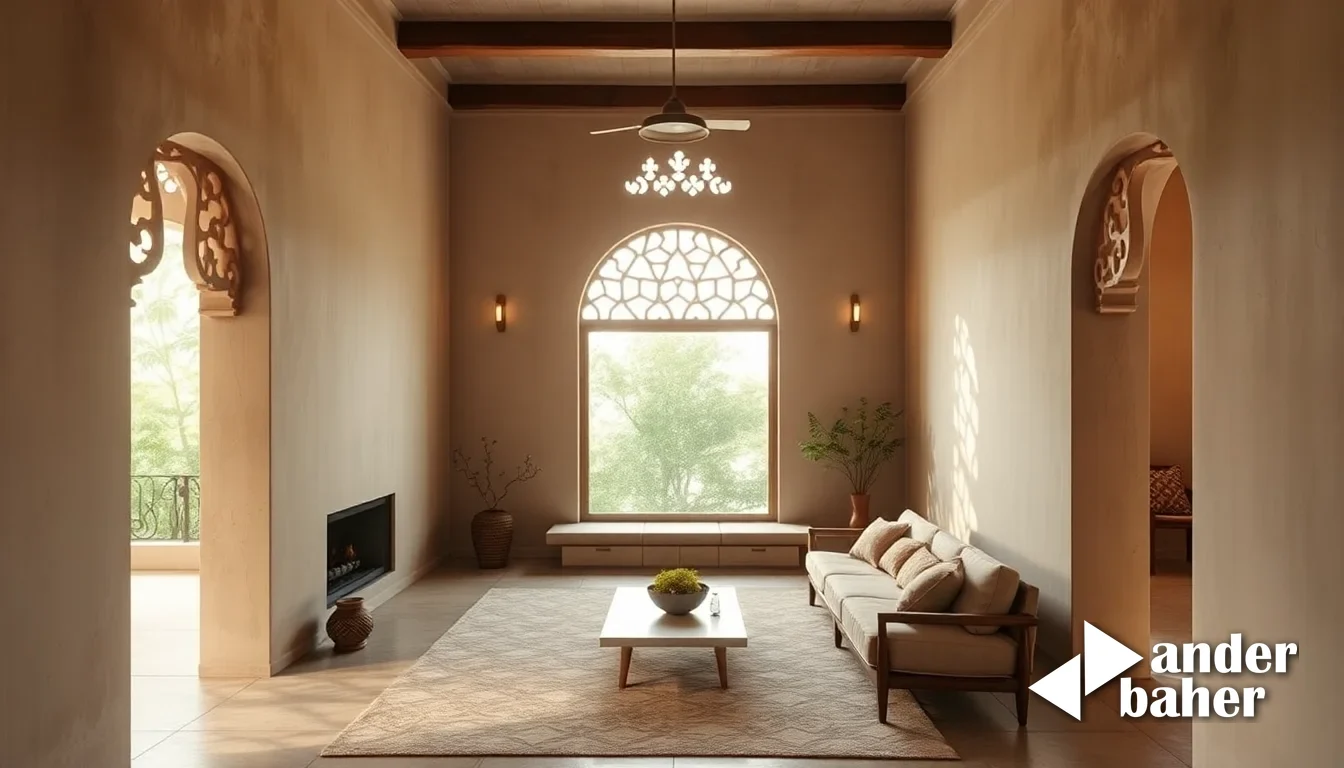
Embedded in this new restraint is a profound respect for craft. Rather than filling rooms with recognisable designer names, these spaces prioritise the hand of the maker. A table becomes valuable not because of its label but because the wood grain tells the story of where it grew. Textiles are chosen for the weave, the weight, the way they age. In Indian homes particularly, this reconnects with centuries-old traditions—the detail in a hand-knotted carpet, the specificity of a locally-sourced tile, the irreproducibility of natural stone finishes.
This is luxury that doesn't require explanation. It doesn't photograph explosively on Instagram. It simply functions as the backdrop to living—calm, considered, and ultimately timeless.
A Shift in What Affluence Means
The homes embodying this new philosophy signal something larger: a recalibration of what luxury actually feels like. It's no longer about having more, but about having precisely what serves the space and its inhabitants. For Indian homeowners who've come of age in an era of rapid material accumulation, there's something almost subversive about a dining table with six chairs instead of ten, a bedroom with only essential furniture, a living room that breathes.
The result is homes that wear their sophistication lightly. They age well. They don't date. They belong to no particular moment, which is perhaps the truest mark of genuine luxury—the confidence to exist without needing validation, without needing to be noticed, simply secure in the quality of their making and thinking.
Sources & further reading
- designboom — studio panter&tourron on redefining the codes of luxury design ↗
- ArchDaily — Osmanthus Moon / HCCH Studio ↗
- ArchDaily — Imbriani – Renovation of Two Apartments in Milan / co.arch studio ↗
- ArchDaily — Villas Raices / Vince Studio ↗
An original Ander Baher perspective, informed by the coverage above.
Ready to transform your space — inside or out?
Tell us a little about your home or office. We'll get back within one working day.
Book a consultation