
Magazine › Interiors
Design in Conversation: Using AI to Refine Your Interior Vision
Discover how conversational AI becomes a design thinking partner—refining briefs, testing palettes, and accelerating the path from imagination to lived space.
By the Ander Baher Editorial Desk · 10 November 2026
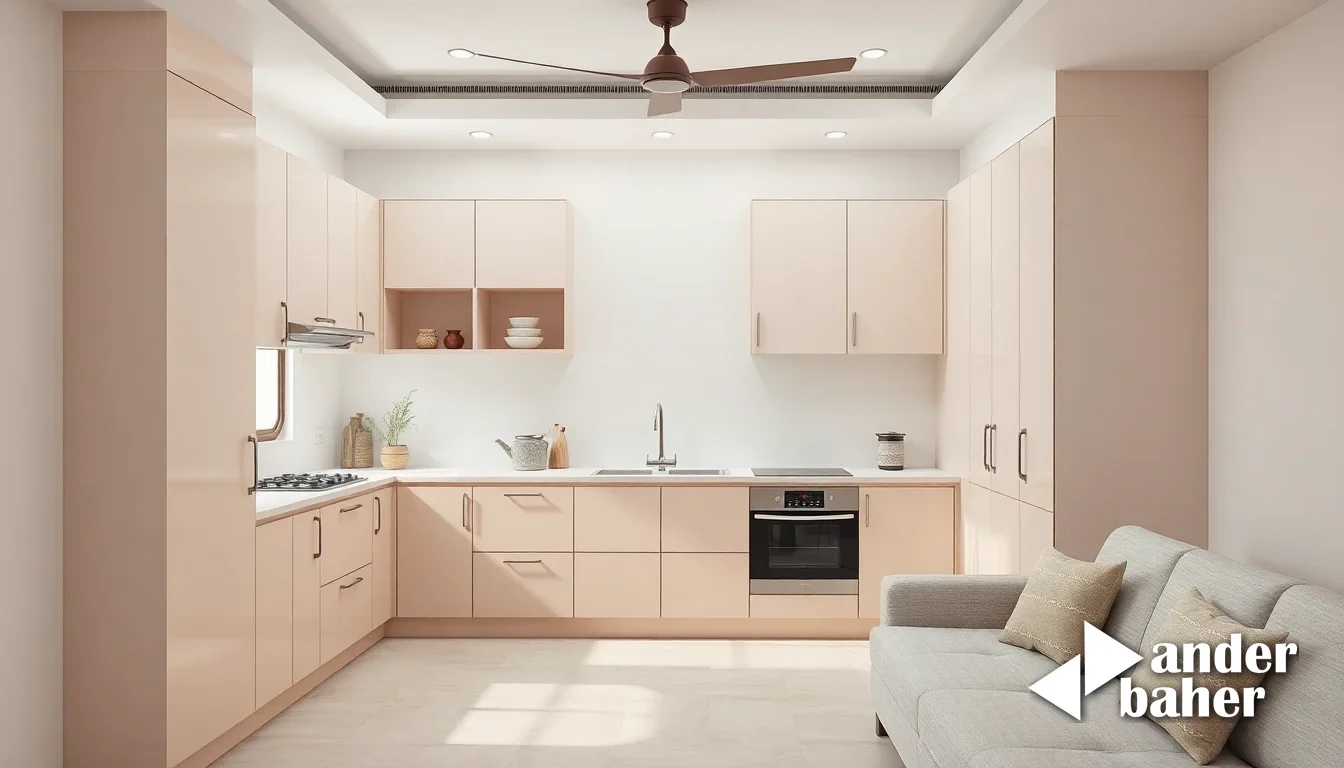
There's a particular moment in the design conversation—when you've lived in a space for months, or you've just taken possession of a new high-rise in Whitefield or Lower Parel, and you realise the builder's palette doesn't speak to you. The rooms feel generic. You have a feeling about what belongs, but translating that into a coherent brief is harder than you'd expect. This is where the design process typically stalls: between intuition and articulation.
Conversational AI, integrated into your design workflow, collapses that gap. It becomes a thinking partner—not a replacement for a designer's eye, but a mirror that helps you clarify what you actually want before you brief a studio or commit to materials and colour.
Why Conversation Matters in Interior Design
Interior design has always been collaborative. A good designer asks questions. They listen for what you don't say as much as what you do. They test your assumptions. "You've said you want minimalist, but you keep reaching for warm timber—shall we explore that tension?" That iterative, conversational scaffolding is where clarity emerges.
AI trained on design language, materials vocabulary, and spatial reasoning can now facilitate that conversation at any hour, across multiple drafts, without fatigue or impatience. You're not working against a deadline or feeling rushed to decide. You can ask: "I like this Delhi apartment's facade treatment, but the interiors felt cold—what if we kept that material language but softened the palette?" The AI doesn't get defensive. It explores.
For owners in newly-completed towers—where the possession rush is real and vendor coordination is chaotic—this early clarification saves weeks of back-and-forth with contractors. You arrive at your brief conversation with an integrated interior and landscape studio with your thinking already refined.
How Does Conversational Design Work in Practice?
Start with fragments. A mood. A room you've photographed. A colour you can't name. "I love the quiet in this Scandinavian interior, but it needs to feel more alive. How would you introduce that without losing restraint?" The AI responds with specific moves: material layering, accent lighting, textural surfaces that catch the eye without screaming.
Then you push back. Test its assumptions. "But I live in Bengaluru, and that linen upholstery will gather dust every monsoon season. What's a more resilient alternative that keeps the same warmth?" Now the AI is learning your constraints—climate, maintenance, budget tenor—and tailoring suggestions in real time.
You can iterate on function too. "My kitchen opens into the living room, but I cook almost every day. How do we make that threshold feel intentional, not like the cooking smell invades the seating area?" The AI might suggest material boundaries, ventilation strategy, a semi-permeable screen. Each suggestion opens a new conversation.
This isn't about AI generating a finished 3D render and you passively accepting it. It's about using language to think more clearly. You're externalising your taste, testing it, refining it, before a single wall is marked for colour or a single vendor is brought into the room.
From Brief to Reality: Anchoring Conversation in Place
The deepest value emerges when you anchor these conversations in your actual space. Climate, light, season, locality—these shape every good interior, and they matter more in India than in design magazines that assume temperate, controlled environments.
If you're in a high-rise off Sarjapur Road, afternoon sun will dominate your west-facing facade for six months of the year. A pale, reflective palette will work against you. If you're in a Powai apartment with a balcony that catches monsoon spray, certain material choices will deteriorate within a season. AI that understands these realities—and can articulate them in conversation—keeps you tethered to place, not seduced by an image.
Ask directly: "My living room gets harsh morning light from the east, and I work from home. What's a window treatment that filters without blocking the view, and how does that affect the room's proportions and colour?" The AI can reason through the optics, the thermal impact, the visual weight, the material durability. Now you're not choosing a curtain style from Instagram; you're solving for your actual life.
The Questions You Should Be Asking
The best use of conversational AI in design is diagnostic. Before you make decisions, sharpen your thinking. Ask about trade-offs. "If I commit to natural stone for the kitchen floor, what does that cost me in warmth, in underfloor heating compatibility, in maintenance rhythm?" Hear the full picture. Then decide whether that trade is worth it.
Ask about materiality and story. "I want the apartment to feel rooted in place, but I don't want it to look like a museum of Bengaluru-ness. How do we use local materials—stone, timber, handwoven textiles—without veering into cliché?" Now you're having a conversation about intention, not just aesthetics.
Ask about the seasons. "How does this palette read in monsoon light versus April light? Should I plan for that variation, or should I choose finishes that absorb seasonal change gracefully?" This is the kind of thinking that separates a space that endures from one that feels dated within two years.
When to Bring in a Studio
Conversational AI doesn't replace the designer's eye for proportion, for the intuitive sense of how materials and colours speak to each other in a specific light at a specific time of day. It accelerates the conversation, clarifies the brief, tests assumptions—and then you're ready to engage a studio that can translate that clarity into a lived space.
The best outcomes emerge when you've already done the thinking. You arrive with specificity. "I know I want warmth, but not orange. I know I want texture, but not busyness. I know the space needs to be flexible because my work patterns shift." The designer can then focus on the moves that only they can make—the spatial sequencing, the layering of light, the orchestration of materials in three dimensions over time.
For those newly arrived in a Kudlu Gate high-rise or a Powai tower, or those renovating a beloved older apartment with monsoon challenges—this conversation, begun with AI and completed with a studio—anchors your home in intention. Not in trends. Not in what worked for someone else on Instagram. In what belongs to you, in this place, through this season of your life.
Design is fundamentally a conversation about possibility. The best new tools don't replace that conversation—they deepen it, speed it, make it more generous. Bring clarity to your vision. Explore conceptual directions through conversation, and then step into the space you've thought through carefully.
Frequently asked
Can I use ChatGPT to design my apartment interior myself without hiring a designer?
AI conversation can clarify your vision, test ideas, and build a strong brief—but it cannot sense light, proportion, and material chemistry in real space. Use it to think clearly; bring a designer in to translate that clarity into a lived, three-dimensional environment.
How does conversational AI help with climate-specific design in Bengaluru or Mumbai?
AI trained on material durability, thermal behavior, and seasonal light can reason through place-specific constraints—monsoon resilience, harsh sun angles, humidity impact—and suggest solutions anchored in your locality, not generic design trends.
What's the difference between using AI for interior design and just scrolling Pinterest for inspiration?
Conversation is iterative and diagnostic; you're pushing back, testing assumptions, and refining thinking. Scrolling is passive collection. AI helps you articulate why you're drawn to something and how to adapt it to your specific space, constraints, and season.
How long does it take to develop a design brief using conversational AI before working with a studio?
Typically 3–5 focused conversations (20–30 minutes each) sharpen your thinking enough to arrive at a studio with clarity on palette, material language, functional priorities, and place-specific constraints. Quality of conversation matters more than duration.
Ready to transform your space — inside or out?
Tell us a little about your home or office. We'll get back within one working day.
Book a consultation