
Magazine › Balcony
A Balcony Free of Mosquitoes, Full of Life
Design your outdoor space to naturally repel insects while creating a thriving ecosystem that invites you to linger.
By the Ander Baher Editorial Desk · 24 July 2026
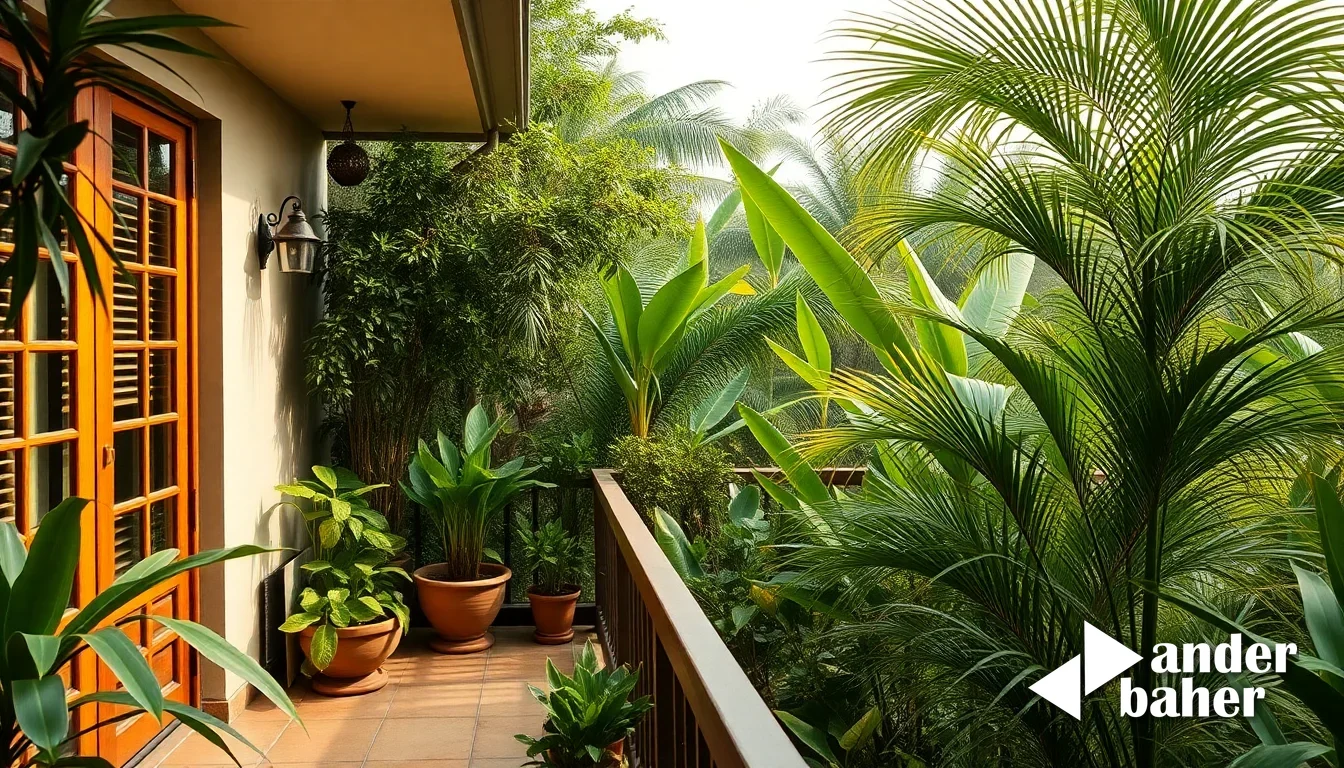
The monsoon arrives, and your balcony—that carefully curated extension of home—becomes a no-go zone. Mosquitoes proliferate in the humidity, and the instinct is always the same: reach for the spray can. But there's another way to reclaim your outdoor refuge, one that treats design as both a practical and aesthetic pursuit.
Natural mosquito defenses begin with understanding what repels these insects at a fundamental level. Certain plants, strategic water management, and thoughtful spatial design work together to create an environment where mosquitoes simply don't thrive. The result isn't just a pest-free balcony—it's a living, breathing space that feels richer and more inhabitable than before.
Plants That Guard Without Toxins
Citronella, often dismissed as a cliché, actually works. So do lemongrass, basil, and mint—plants that emit natural oils hostile to mosquito larvae and adults. The key is placement. Position these plants in terra-cotta or glazed ceramic pots along the balcony perimeter, where air circulation is strongest. A Bangalore balcony facing west benefits from afternoon shade; consider placing mint and basil there, where they'll flourish despite heat.
Beyond mosquito repellents, introduce lavender and rosemary. These Mediterranean herbs not only deter insects but also release their essential oils when brushed by evening wind, creating an almost imperceptible boundary between you and the outside. The visual rhythm of varied pot heights—some at ground level, others elevated on plant stands—adds architectural interest while improving airflow, another mosquito deterrent.
Water: Managed Thoughtfully
Stagnant water is a mosquito nursery. Examine your balcony drainage honestly. Saucers beneath pots should be emptied daily, or better yet, replaced with pots featuring built-in drainage holes and no catch trays. If you want a water feature—a small container garden or bird bath—change the water every two days, or introduce water plants like water lettuce, which also create an inhospitable environment for larvae.
In Mumbai's humidity, moisture lingers. Ensure gutters, AC units, and corners are clear of pooling water. This isn't just mosquito prevention; it's part of responsible balcony stewardship.
Design for Air, Discourage Stagnation
Mosquitoes thrive in still air. Design your balcony to encourage cross-ventilation. Avoid dense screening that blocks breezes; instead, use open wooden lattice or mesh that filters light while allowing wind passage. A small pedestal fan, running on low in the evenings, creates enough air movement to make mosquito flight difficult.
Declutter ruthlessly. Dark corners, dense furniture arrangements, and trailing plant growth create ideal resting spots. Maintain visual openness—a few statement pieces, well-chosen, serve better than crowded arrangements. This restraint is also more beautiful.
Finishing Touches
Marigolds in corner pots add color while adding another layer of natural repellent. Consider solar-powered lights, which won't attract insects the way standard bulbs do. A small mosquito net curtain in natural cotton, suspended only where you actually sit, offers protection without visually overwhelming the space.
Your balcony doesn't need to become a botanical station to be mosquito-resistant. Instead, think of it as a curated ecosystem, where every plant, every detail serves dual purpose: beauty and function working in concert. The result is a space that feels safer, smells better, and invites you to spend your evenings outside once more.
Frequently asked
Which plants naturally repel mosquitoes without toxins?
Citronella, lemongrass, basil, mint, lavender, and rosemary all emit natural oils hostile to mosquitoes. Placement matters: position them along high-airflow zones in glazed ceramic or terracotta pots for maximum effectiveness.
How does balcony design prevent mosquito breeding?
Eliminate stagnant water by ensuring pots have drainage holes and no catch trays, and empty saucers daily. Encourage cross-ventilation through open lattice screening and strategic furniture placement to discourage still air where mosquitoes rest.
Can I have a water feature on a mosquito-resistant balcony?
Yes—use bird baths or container gardens, but change the water every two days. Alternatively, introduce water plants like water lettuce, which create an inhospitable environment for larvae.
Ready to transform your space — inside or out?
Tell us a little about your home or office. We'll get back within one working day.
Book a consultation