
Magazine › Interiors
Metal as Memory: How Riveted Forms Speak to Indian Craft
Handmade surfaces tell stories. When aluminium becomes canvas for deliberate imperfection, it echoes a design truth that Indian makers have always understood.
By the Ander Baher Editorial Desk · 18 September 2026
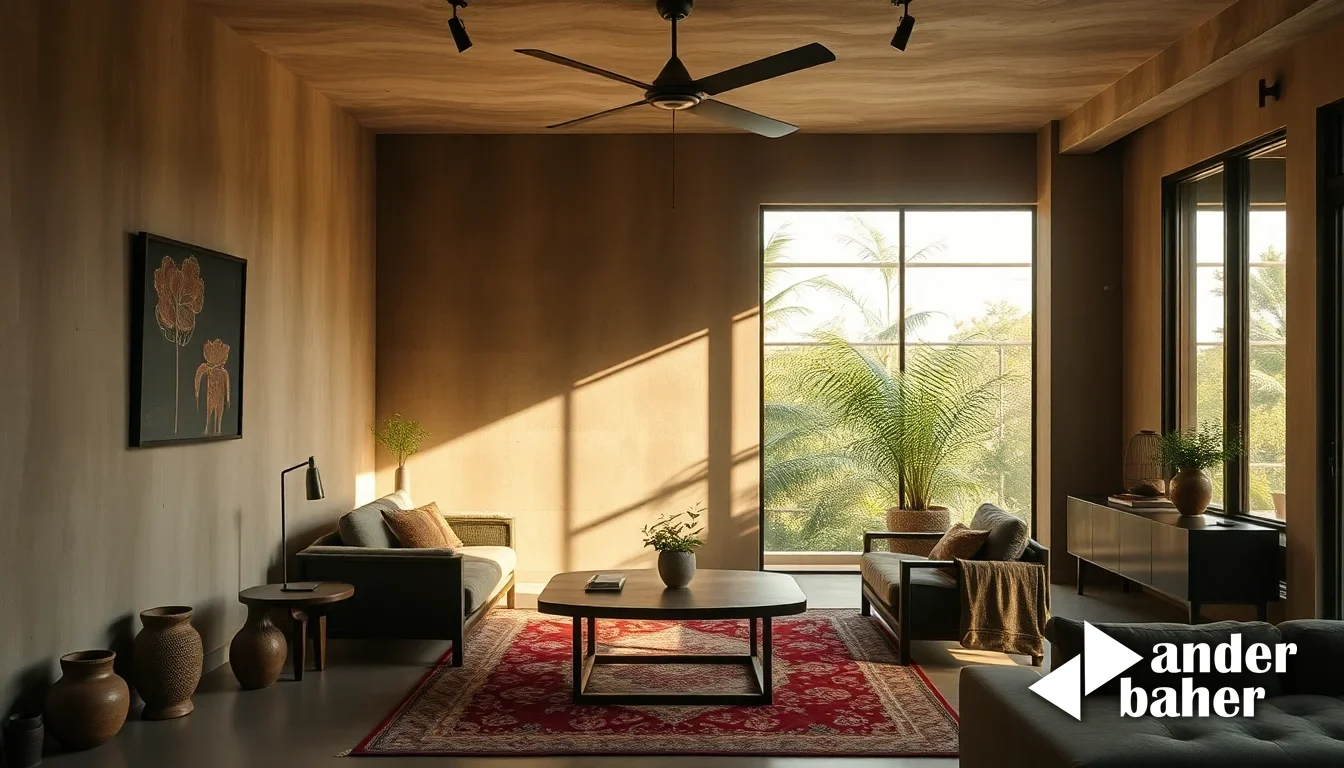
There is something inherently honest about a riveted surface. Each join, each fastening point, becomes visible—a small declaration that this object was made by hand, assembled with intention. Walk through a Bangalore design gallery or a Mumbai loft, and you'll notice a quiet shift: designers are moving away from seamless, industrial perfection toward furniture and fixtures that celebrate their own making.
The Language of Visible Construction
When a material like aluminium is treated not as something to be hidden but as something to be articulated, the entire relationship between maker and user changes. The rivets aren't flaws to be engineered away—they become the grammar of the piece. This philosophy resonates deeply with Indian design traditions, where visible joinery in wood furniture, textile knots, and even ceramic throwing have always communicated skill and patience rather than concealing them.
Aluminium, being lightweight yet durable, has long been favored in Indian homes for practical reasons: it withstands humid coastal climates, requires minimal maintenance, and ages with character. But treating it as a material worthy of pattern-making—of surface narrative—represents a maturation in how we think about functional pieces. The droplet-like impressions that result from deliberate working and joining transform a utilitarian metal into something contemplative.
Pattern Without Ornament
There's a distinction worth making here. These aren't decorative flourishes applied to neutral surfaces. Instead, the pattern emerges from the logic of construction itself—a principle that aligns with modernist thinking but feels ancestral to Indian craft sensibilities. Consider how a weaver's loom creates texture through structure, or how a blacksmith's hammer blows become the final surface. The riveted aluminium follows this lineage.
For contemporary Indian interiors—particularly in smaller apartments in congested cities where every object must justify its presence—this approach offers something valuable. A side table or shelving unit doesn't merely store; it witnesses. It shows the hand that made it, the decisions taken, the time invested.
Towards a Visible Future
As sustainability becomes less a trend and more a requirement, showing how things are built becomes a form of accountability. A riveted joint is a promise: this piece is repairable, updatable, and designed to be lived with for years. In a culture with deep roots in multigenerational ownership—where furniture passes from parent to child—this honesty feels necessary.
The beauty lies not in newness but in evidence. Evidence of craft, of structure, of a maker's deliberation. When aluminium surfaces bear these marks—whether riveted or patterned through joining—they transform from industrial commodity into conversation partners in our homes.
Sources & further reading
- Dezeen — Tom Pearson unveils riveted aluminium furniture with droplet-like patterns ↗
- Dezeen — HKS unveils interior of Commanders stadium with window framing Capitol ↗
- designboom — digital patterns become textured geometric compositions through hand stitching ↗
- Dezeen — Grand Ji Hotel debuts at Paris Design Week ↗
An original Ander Baher perspective, informed by the coverage above.
Ready to transform your space — inside or out?
Tell us a little about your home or office. We'll get back within one working day.
Book a consultation