
Magazine › Interiors
The Intentional Bathroom: When Wellness Meets Daily Ritual
Beyond fixtures and tiles, today's bathroom design speaks to the body's daily rhythms. How thoughtful interiors transform the smallest room into a sanctuary of awareness.
By the Ander Baher Editorial Desk · 15 November 2026
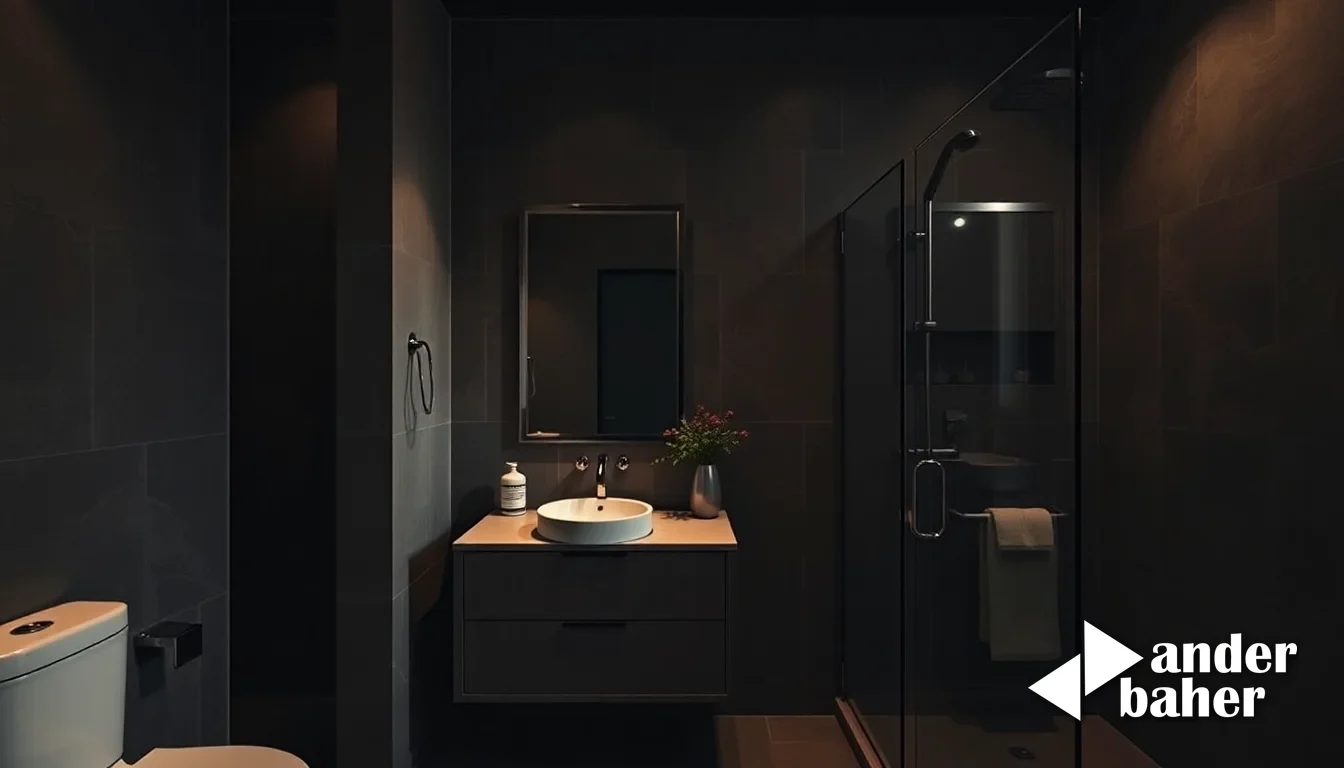
The bathroom has never been merely functional. In traditional Indian homes, the morning ablution carried ceremonial weight—a threshold between sleep and the day's demands. Yet somewhere in the rush of modern life, we forgot that this room, visited dozens of times weekly, shapes our physical and mental state more than we acknowledge.
Recent innovations in bathroom technology—tracking devices that monitor wellness data at the point of daily use—reflect a broader cultural shift: the recognition that interiors can and should support our bodies' awareness of themselves. Not through gadgetry alone, but through thoughtful spatial design that invites presence.
Designing Bathrooms for Mindful Mornings in New Apartments
How do you create a bathroom that encourages presence rather than just speed? Start by questioning the default.
In newly-handed-over towers across Bengaluru—from Whitefield to Carmelaram—most bathrooms arrive builder-vanilla: harsh overhead lighting, a single window with frosted glass, tiles chosen for durability alone. The owner inherits a space optimized for efficiency, not intention.
Intentional bathroom design begins with light. Not brightness, but quality. Replace or supplement flat overhead LEDs with layered, dimmable lighting: a softer, indirect wash from a cove or backlit mirror, paired with a single focal source at eye level. In a Hennur or Sarjapur apartment, morning north light through a properly proportioned window or skylight becomes an ally—it doesn't glare; it simply clarifies. The body reads this. Your nervous system settles fractionally.
Second, material presence. Builders default to glazed ceramic tiles—easy to clean, impersonal. Consider instead terrazzo, honed stone, or cork underfoot. The sensory difference is profound. Your bare feet meet a surface that feels intentional, that has texture and slight warmth. In a just-completed development off Sarjapur Road or in Lower Parel, a honed granite or limestone floor becomes a grounding ritual—the body's first anchor to the day.
Third, the mirror and counter as a stage for awareness. Instead of a recessed medicine cabinet behind a standard mirror, design a vanity that feels like a desk for the body. A shallow stone counter with a large, unframed or minimally-framed mirror encourages you to look—not just at blemishes to correct, but at yourself. Soft side lighting (not overhead) reflects the face as it actually is. This sounds small. It changes how you move through the morning.
Materials and Moisture: Building for Indian Climates
In Bengaluru's humid summers and Mumbai's monsoons, bathroom materials face relentless moisture. Most owners know the frustration: waterproofing failures, mold on grout, dampness creeping into adjoining rooms.
Wellness in the bathroom depends first on a dry bathroom. This means moving beyond surface waterproofing to a systems approach: proper slope to drain points, a full membrane layer under all wet areas, careful material selection (natural stone, terrazzo, and high-quality porcelain are more durable than cheap ceramics), and ventilation design that actually works—not just an exhaust fan that runs for five minutes.
In a Powai apartment or a Devanahalli high-rise, specify materials that age gracefully in humid conditions. Honed natural stone develops a subtle patina rather than looking perpetually grimy. Terrazzo, with its sealed aggregate surface, resists moisture penetration better than grouted tile. Cork, if sealed properly, offers warmth and durability in drier climates.
The payoff: a bathroom that feels clean and dry because it is—moisture doesn't linger in hidden cavities or creep into walls. Your body knows the difference.
The Threshold: Where Awareness Begins
Every well-designed bathroom has a threshold—a moment of arrival. This might be a step down into a sunken tub, a shift from tile to wood, or simply the pause before you close the door.
In premium developments across Mumbai's Mahalaxmi or Bengaluru's Kudlu Gate, the most intentional bathrooms create this threshold deliberately. A change of material underfoot. A shift in light. The sound insulation that lets the door close without echo. These small architecture choices tell your body: you have arrived in a space set apart.
Paired with thoughtful ventilation, proper humidity control, and materials chosen for longevity, the bathroom becomes what it was always meant to be—a place where the body pauses and comes into focus. Whether you're tracking wellness metrics or simply standing under running water, the space itself supports that awareness.
Explore our integrated approach to bathroom interiors and environmental design, or start with a conceptual vision of how your bathroom might invite intention into your daily ritual.
Sources & further reading
- Dezeen — Kohler's gut-health tracker clips onto the toilet bowl ↗
- designboom — gio tirotto stretches domestic chair into public bench on italy’s gulf of poets ↗
- Dezeen — Arudeko transforms discarded wool into paper-like material ↗
- designboom — rune bosse puts living trees on life support in a vision of ecological collapse ↗
An original Ander Baher perspective, informed by the coverage above.
Frequently asked
What makes a bathroom design 'wellness-focused' in an Indian apartment?
A wellness bathroom prioritizes natural light (or warm, layered artificial light), non-slip sensory-rich flooring (honed stone, terrazzo, cork), proper ventilation for humidity control, and a mirror setup that encourages presence rather than just function. The goal is a space that supports both physical comfort and mental calm during daily rituals.
How do you prevent mold and moisture damage in a Bengaluru or Mumbai bathroom?
Effective moisture control requires a full-system approach: proper slope to drain points, a complete waterproofing membrane under wet areas, high-quality materials (honed stone, terrazzo, sealed porcelain), and active ventilation design that removes humidity rather than just air. In humid climates, durable material choice is as important as waterproofing itself.
Can a small bathroom in a new apartment tower feel spacious and calm?
Yes. Use light strategically—cove or backlit mirror lighting rather than harsh overhead fixtures—choose one or two high-quality materials (a continuous honed stone floor, for instance), and keep visual clutter minimal. A small, unframed mirror and a clean vanity with no overhead cabinet can make a 5×7 space feel composed rather than cramped.
What's the difference between builder-standard bathroom finishes and intentional design?
Builder defaults prioritize cost and durability over sensory experience—flat tiles, overhead lighting, recessed cabinets. Intentional design adds layers: material warmth, quality light, proper moisture management, and a clear threshold into the space. The result feels less like a utility room and more like a sanctuary for daily presence.
Ready to transform your space — inside or out?
Tell us a little about your home or office. We'll get back within one working day.
Book a consultation