
Magazine › Interiors
Light as Material: Designing Chromatic Thresholds in Indian Interiors
Explore how light transforms domestic space through intentional color and threshold design—lessons for newly-handed-over apartments in Bengaluru and Mumbai.
By the Ander Baher Editorial Desk · 30 October 2026
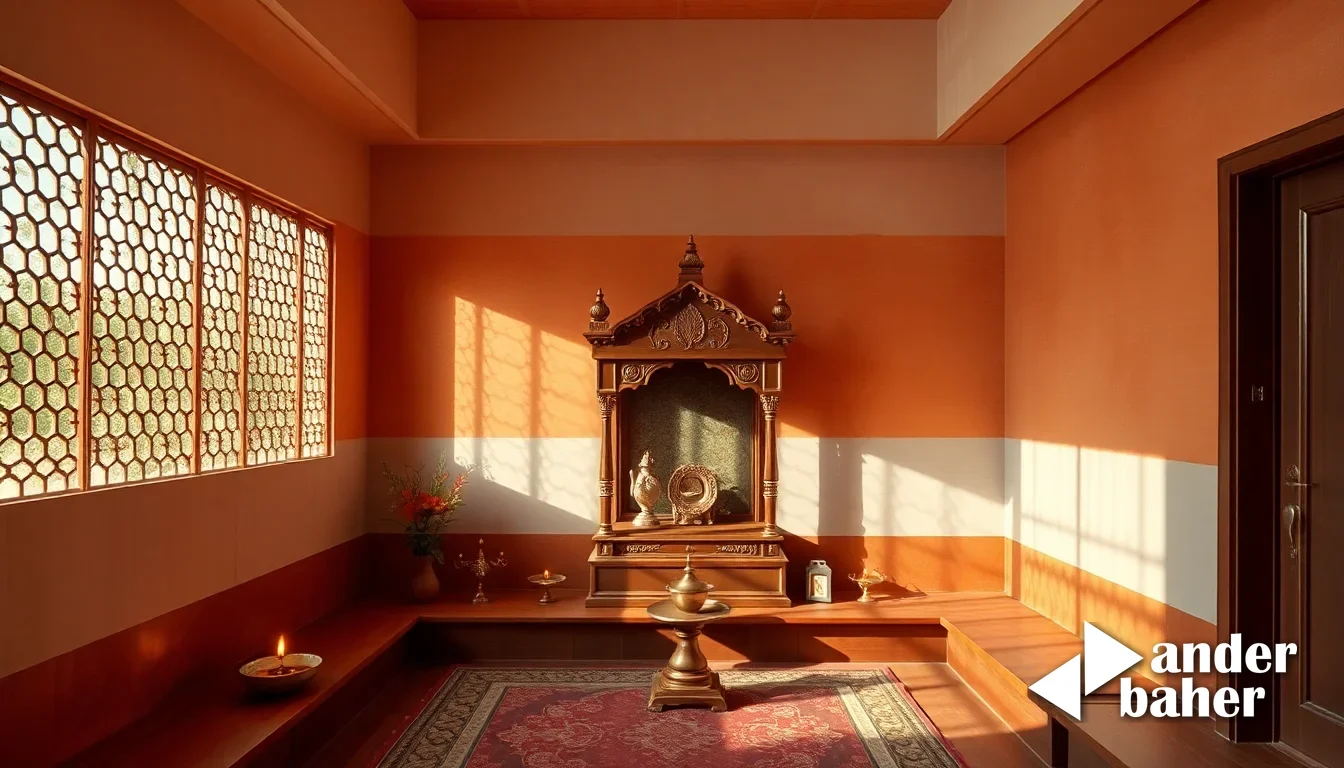
When light enters a room, it doesn't simply illuminate. It transforms material, reorders perception, and anchors a person's sense of being. In the dense urban apartmenting of Bengaluru and Mumbai—where a just-handed-over tower off Sarjapur Road or in Lower Parel arrives with builder-neutral finishes and small, often orthogonal windows—light becomes the most consequential design decision you'll make. It is, paradoxically, the one thing no contractor can fully finish for you: only intention can.
The emerging conversation around light as an active, sculptural material in domestic interiors asks a harder question than "Where do we put the bulbs?" It asks: How do we orchestrate the passage of light through color, materiality, and threshold to shift mood, pace, and inhabitation? This is not décor. This is architecture.
The Threshold as a Chromatic Apparatus
A threshold is not merely the line between two rooms. It is the moment of transition—a designed pause where light quality, material weight, and ambient color conspire to mark a psychological crossing. In a newly-completed high-rise on Whitefield or Yelahanka, where open-plan layouts blur distinction between zones, the threshold becomes your primary tool for creating spatial identity without walls.
Consider a translucent screen of colored glass or resin at the entry to a private suite, or a deep-toned timber or plaster soffit that softens and warms light as it enters a study. These elements don't obstruct; they inflect light. A warm amber or deep ochre filter transforms the emotional register of the space beyond it, signaling quietness, introspection, or rest. A cool, pale surface reflects and diffuses, opening the room outward.
This is particularly potent in monsoon cities. In Bengaluru apartments with northern or eastern exposures—common in developments around Hoskote or Thanisandra—filtered or tinted glazing can moderate harsh dawn light and extend usable daylight into mid-afternoon without the brittleness of direct sun. The threshold becomes a climate-responsive gesture as much as an aesthetic one.
How do you design with light and color in a small Mumbai apartment after possession?
Start by mapping light paths: which window faces which direction, at what hour does direct sun penetrate deepest, where does shadow pool naturally? Then introduce one chromatic layer—a softly tinted glass, a colored plaster reveal, or a semi-translucent fabric panel—at the point where light enters the room. This single intervention compounds over the day, shifting the ambient tone from morning coolness to afternoon warmth. In a just-handed-over Worli or Bandra East apartment, where windows are often fixed and small, this intentionality matters enormously.
The second move is material selection. Light behaves differently on matte concrete, on polished plaster, on timber, on brass, on stone. In a newly-completed tower off Electronic City or in Mahalaxmi, where you're commissioning finishes from scratch, specify materials not only for their tactile and visual beauty but for their light-reflecting and light-absorbing properties. A deep plaster wall behind a reading nook absorbs ambient light and creates a cocoon. A pale ash timber ceiling reflects and diffuses, making a small kitchen feel airy.
Third, consider seasonal variation. India's light is not constant. Summer mid-day glare demands one treatment; winter morning softness demands another. Layered systems—operable louvers, translucent roller shades, or repositionable screens—allow a space to shift its chromatic and luminous character across seasons without renovation.
Color as a Spatial Boundary Without Walls
In open-plan apartments proliferating across premium developments in Domlur, Diamond District, or Lower Parel, color can function as an invisible boundary. A subtle shift from warm to cool, from saturated to neutral, marks a psychological zone change without physical partition. A deep, warm terracotta in the dining zone gives way to cool sage in the living area—not through walls, but through the emotional register that color, amplified by light, creates.
This is not interior decoration in the conventional sense. It is spatial choreography. A newly-handed-over owner wrestling with how to occupy 2,000 square feet of open space benefits from this thinking: color and light, deployed with restraint and intention, can create multiple intimate environments within a single volume.
The monsoon, too, plays a role. During Bengaluru and Mumbai's wet season, overcast light becomes the dominant condition. Interiors designed only for clear-sky brightness feel flat and cold under cloud cover. A palette informed by warm, earthy tones—ochre, terracotta, warm gray, soft brass—compensates for this seasonal dimming, maintaining spatial warmth and coherence across the year.
Material Experiments at the Threshold
Colored or tinted plaster, cast resin panels, or frosted and dyed glass are no longer niche materials—they are increasingly specified by thoughtful interior studios in Bengaluru and Mumbai. In a premium development like Orchid South Park or Oberoi Esquire, where budgets allow material experimentation, these chromatic thresholds become signature gestures, transforming builder-standard glass partitions or drywall into immersive, contemplative passages.
A soft blush-pink or warm amber in resin catches and diffuses light into an adjacent room, creating a luminous gradient. A pale gray plaster soffit with a slight sheen becomes an interstitial space—neither fully interior nor exterior. These details cost marginally more than standard finishes but yield disproportionate emotional weight.
For renovation-phase owners in established areas like Jayanagar or Bandra West, dealing with dated layouts and moisture challenges, light-driven thresholds offer a path forward that doesn't require structural intervention. A new softly translucent screen, a carefully chosen wall finish, and intentional lighting—these can breathe new spatial intention into inherited footprints.
The Living Dimension: How Light Shifts Daily and Seasonally
The most overlooked aspect of light design is its temporality. A space designed for 2 p.m. afternoon sun will feel entirely different at 7 a.m. or during the monsoon. In Bengaluru apartments on Sarjapura Road or northern exposures in Yelahanka, morning light is cool and distant; afternoon light is warm and direct. A color palette and material strategy that accounts for this temporal variation—using deeper tones that feel cozy under soft light and materials that catch warmth in direct sun—creates coherence across the day.
This is where the relationship between our integrated interior and landscape practice becomes evident. Inside thresholds and chromatic passages tell a story; outside, landscape elements frame and moderate light before it enters the home. A planted screen or a timber louver on a newly-completed balcony in Hebbal or Powai works in concert with interior light design, creating a unified environmental experience.
Bring intention to light—not as an afterthought of fixture selection, but as a primary material from project outset. Explore our delivered spaces to see how chromatic thresholds and light choreography have transformed newly-handed-over apartments and renovation projects across Bengaluru and Mumbai, or use our AI conceptual tools to test color and light ideas for your own threshold.
Sources & further reading
- designboom — sabine marcelis turns light and color into immersive spaces at zurich’s museum für gestaltung ↗
- Colossal — Escape into Gretchen Scherer’s Maximalist Paintings of Palatial, Art-Filled Spaces ↗
- Dezeen — Al-Jawad Pike refreshes Aesop store with terracotta-tiled counter evoking ancient Persia ↗
- Dezeen — Lighting design a "strategic economic investment" says Signify's Sameer Sodhi ↗
An original Ander Baher perspective, informed by the coverage above.
Frequently asked
How do you use colored glass or tinted materials to change how light feels in a Bengaluru apartment?
Colored glass and tinted resin act as light filters at entry thresholds, shifting the emotional tone of light as it passes through. A warm amber or ochre tint transforms harsh morning or afternoon sun into a softer, warmer glow; pale or cool-tinted glass moderates intensity while keeping the space feeling open. Install these at key transitions—entry to bedroom, kitchen to living area—to mark spatial boundaries without walls.
What's the best way to design with light and color in a just-handed-over Mumbai apartment with small windows?
Map light paths first: identify window direction, peak sun hours, and shadow zones. Then introduce one chromatic layer—tinted glass, colored plaster reveal, or semi-translucent screen—where light enters. Pair this with materials chosen for their light-reflecting or absorbing properties (matte plaster absorbs; pale timber reflects). This single-layer strategy compounds throughout the day, maximizing a small window's effect without visual clutter.
How does monsoon season affect light design in Bengaluru and Mumbai homes?
During monsoon, overcast light becomes cool and flat. Interior palettes designed only for clear-sky brightness feel cold and uninviting under cloud cover. Warm, earthy tones—ochre, terracotta, warm gray, soft brass—compensate for seasonal dimming and maintain spatial warmth year-round. Material finishes with subtle sheen catch diffuse monsoon light better than flat, matte surfaces.
Can light-driven thresholds help renovate an older, cramped apartment without structural changes?
Yes. New translucent or colored screens, freshly finished walls with strategic tone, and intentional lighting can redefine spatial boundaries and emotional character without opening walls or shifting layouts. This approach is especially effective in established neighborhoods where structural renovation is costly or limited—it addresses inherited footprints through perception rather than demolition.
Ready to transform your space — inside or out?
Tell us a little about your home or office. We'll get back within one working day.
Book a consultation