
Magazine › Interiors
The Politics of the Dining Table: How Indian Homes Are Reclaiming Narrative Through Design
Beyond function, the dining table has become a site of cultural assertion and personal narrative. Explore how contemporary Indian interiors are using furniture as a form of intentional storytelling.
By the Ander Baher Editorial Desk · 25 October 2026
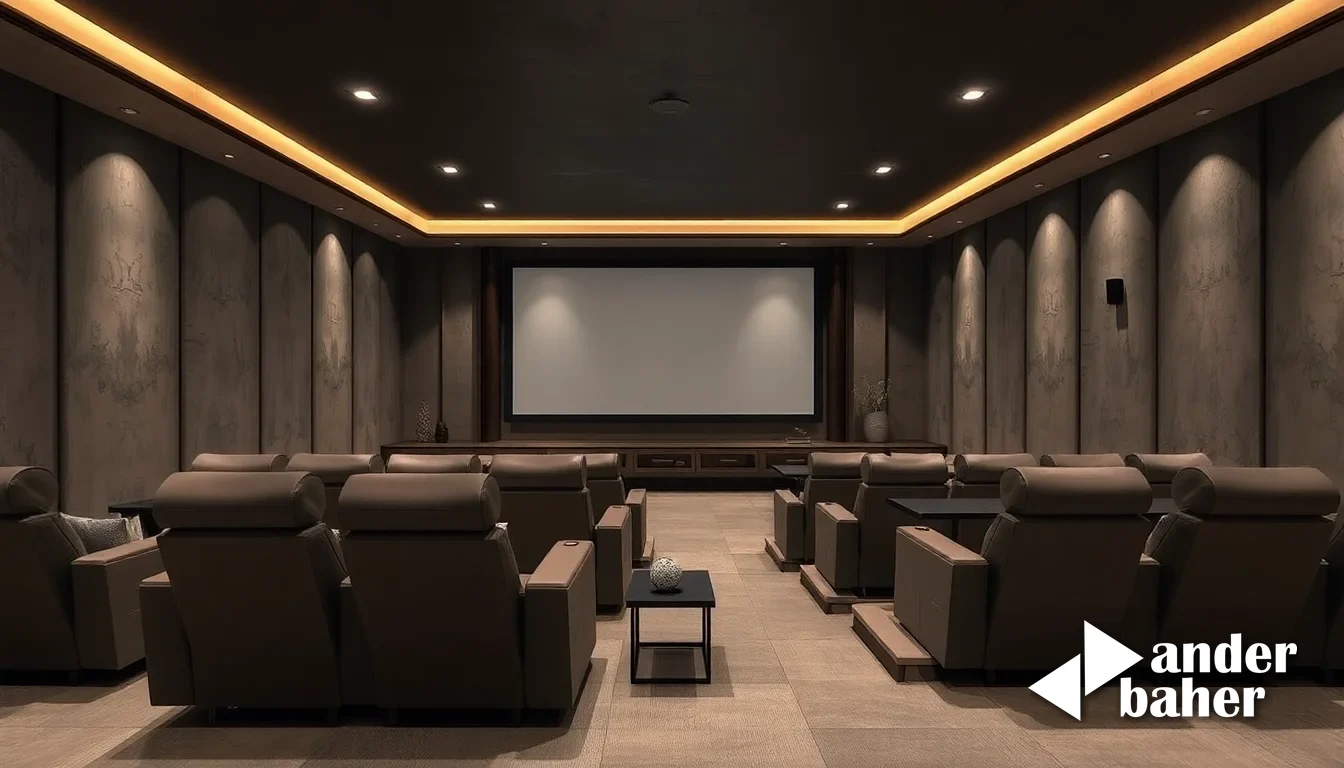
The dining table has never been merely a surface for meals. In the homes of newly-possessed apartments across Bengaluru's premium towers—from the glass-fronted residences rising over Whitefield to the just-handed-over high-rises off Sarjapura Road—we are witnessing a quiet but insistent reclamation: the table as a statement of cultural assertion, personal memory, and aesthetic resistance.
Where earlier generations inherited or accepted mass-produced dining furniture as a given, a new cohort of Indian homeowners is asking a deeper question: What does this table say about who I am, and who I want to be in this space? The answer increasingly involves craft, specificity, and a deliberate turn away from the anonymous.
The Dining Table as Cultural Anchor
For centuries, the table has been a stage for power, ritual and exchange. In Indian domestic life, the dining table has historically carried the weight of family hierarchy, guest-host protocols, and the codification of taste. Yet for much of the twentieth century—and into the post-liberalisation boom—Indian interiors adopted the neutral, globalised language of Scandinavian minimalism or Italian modernism, often evacuating the table of any cultural specificity.
Today, that neutrality no longer reads as sophistication. Instead, a growing constellation of homeowners, designers, and craftspeople are treating the dining table as an opportunity for what we might call intentional representation. Not kitsch, not nostalgia, but a deliberate layering of cultural reference, personal memory, and material intelligence. A hand-turned wooden table sourced from a Jaipur workshop. A brass-and-stone top referencing vernacular Indian geometry. A surface that speaks, rather than whispers.
This shift is most visible in the newly-completed apartments of premium developments—spaces where residents are confronted with builder-vanilla finishes and a tabula rasa demanding to be filled with meaning. The dining table becomes the first act of authorship.
How Do You Choose a Dining Table That Reflects Your Values?
A culturally intentional dining table begins with honest questions: What narratives do you want this object to carry? Does it honour a craft tradition, a family memory, or a set of aesthetic principles? The answer shapes everything—material, scale, maker, finish.
In a spacious Thanisandra apartment, a client might commission a table in solid teak with hand-carved jali detailing, a contemporary riff on Mughal screens but executed by a Bangalore-based furniture artisan. The table becomes a daily encounter with craftsmanship, a counter-gesture to the anonymity of the building itself. In a Powai high-rise in Mumbai, another household might opt for a minimalist slate-and-steel piece that references brutalist geometry—equally specific, equally resistant to the mass market.
The critical move is specificity. This means rejecting the decorator's template, the Instagram aesthetic, and the safe middle ground. It means engaging directly with makers, understanding material provenance, and accepting that a truly reflective table might take months to realise rather than weeks to order.
Ander Baher's integrated interior and landscape practice begins with this same conviction: that every object in a home should earn its place through coherence with the larger narrative you are building. The dining table is rarely a standalone decision; it anchors the rhythm of the entire ground floor, sets a tonal register, and—through repetition—becomes almost invisible in the way it shapes how you move and think in that space.
Material as Philosophy: Durability and the Rejection of Disposability
The most striking shift in the homes we work with is a return to materials that age visibly: solid wood that patinas, bronze that develops a living surface, stone that accumulates the evidence of use. This is a quiet but forceful critique of the disposable, fast-furniture logic that has dominated interior retail for twenty years.
A bespoke dining table in Domlur or Worli becomes, by design choice, an heirloom object. The wood might be Indian walnut or mango wood, materials that carry their own geographical specificity. The joinery is visible—no veneers, no particleboard concealment. Over five years, ten years, fifty years, the table tells the story of every meal, every conversation, every season of weather and use.
This is radically counter to the aesthetic of perfection that dominates contemporary interior media. Instead, it embraces a philosophy of wabi-sabi—the Japanese aesthetic principle that values imperfection, impermanence, and the beauty of aging. Applied to the Indian domestic context, it becomes something more: a philosophical stance that what we make should outlast our bodies and our lifetimes.
The Role of Scale and Spatial Choreography
In a newly-possessed apartment in a Bengaluru development like Sumadhura Edition or Sattva City, the dining table is not an isolated object but the anchor of a spatial sequence. How large should it be? Should it expand? Should it exist in dialogue with a kitchen threshold, a living room edge, a landscape view?
The contemporary Indian home rarely repeats the formal dining room of earlier eras. Instead, the table is often a more fluid, permeable element—sometimes a workspace, sometimes a display surface for objects, sometimes a gathering place. This fluidity demands that the table itself be conceived not as a monument but as a threshold: a boundary between modes of living, a surface that can hold multiple narratives simultaneously.
In homes with generous balconies or courtyards—increasingly common in premium Bangalore and Mumbai developments—the dining table can extend the interior narrative into landscape. The question becomes: how does this table converse with the garden beyond, with afternoon light, with the seasonal shifts of monsoon and sun?
Commissioning vs. Consuming: The Long View
The most significant philosophical shift we observe is the move from consumption to commission. Rather than select a table from a catalog or a showroom, discerning homeowners are increasingly commissioning direct from makers—woodworkers, metalworkers, designers with a point of view. This requires patience, trust, and a willingness to engage in a conversation that might extend over months.
It also requires rethinking cost. A bespoke table is rarely "cheaper" than a mass-produced alternative, but it reframes value entirely. You are not paying for an object; you are paying for the maker's time, expertise, and labour. You are investing in something that will not need replacing. You are participating in an economy that values craft over volume.
For residents of just-handed-over apartments in premium developments across Whitefield, Devanahalli, Worli, or Lower Parel, this choice becomes one of the first statements they make about their home. It says: I am not accepting the default. I am thinking about who I am and what I value. I am choosing to live with intention.
Explore the spaces we have crafted, where the dining table often becomes the narrative heart of a home. Or begin a conversation about your own table—not as furniture, but as a site of cultural and personal assertion.
Sources & further reading
- Dezeen — Collectible furniture meets cultural critique at Dutch Design Week’s Table of Power ↗
- ArchDaily — Ikebukuro Living Furniture - Tram Stop / Yosuke SAGOSHI Atelier ↗
- designboom — split ceramic curves cast soft reflected light in dimmable table lamp ↗
- Dezeen — Ste Marie imbues Monos Vancouver office with "residential quality" ↗
An original Ander Baher perspective, informed by the coverage above.
Frequently asked
What should I budget for a custom-made dining table in Bengaluru or Mumbai?
A bespoke table in solid Indian wood with hand-finished detailing typically sits in the high-premium range, reflecting the maker's craft and materials. Budget depends on size, joinery complexity, and finish—expect a thoughtful process spanning 8–16 weeks, with the maker engaging directly on design refinement.
How long does it take to commission a custom dining table for a new apartment?
A typical commission runs 12–16 weeks from concept to delivery, accounting for design refinement, material sourcing, fabrication, and finishing. Starting early in your possession timeline ensures the table is ready when your interiors are complete.
What's the difference between a bespoke table and a designer-made table?
A bespoke table is fully custom—you collaborate directly with the maker on every detail. A designer-made table is typically produced in limited batches by a named designer, offering uniqueness but less individual customisation than a true commission.
How do I find the right craftsperson or designer for my dining table?
Look for makers with a documented practice—a portfolio, a clear point of view, and evidence of material depth. Studios like ours can connect you with vetted artisans, or you can research independently through design publications, craft collectives, and direct studio visits.
Ready to transform your space — inside or out?
Tell us a little about your home or office. We'll get back within one working day.
Book a consultation