
Magazine › Interiors
Keeping Dry: The Art of Rain-Proofing Interior Spaces
As monsoons arrive, the challenge isn't just about gutters and waterproofing—it's about designing interiors that breathe, drain, and protect what matters.
By the Ander Baher Editorial Desk · 28 July 2026
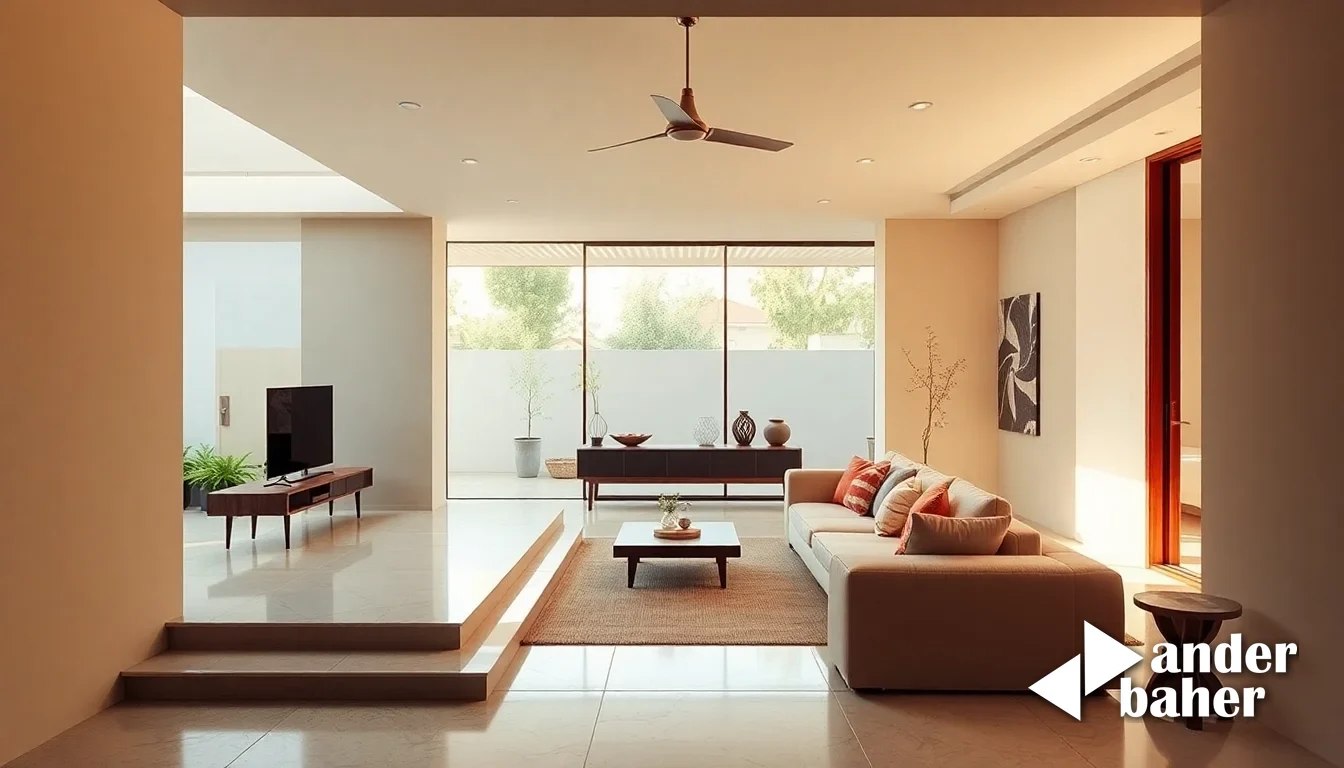
The monsoon arrives not as a single event but as a season of negotiation—between water and walls, between the outside pressing in and the inside trying to stay intact. In cities like Mumbai and Bangalore, where humidity climbs above seventy percent and rain falls for weeks at a time, the integrity of interior spaces becomes a question of design as much as engineering.
Most homeowners think of waterproofing as a technical problem solved during construction: membranes, sealants, the machinery of protection. But the truth is quieter. The spaces that survive monsoons—where wardrobes don't smell of dampness, where books stay crisp, where walls remain unblemished—are those designed with rain in mind from the beginning.
The Problem Isn't Just Water
Water finds everything. It moves horizontally through brick, seeps up through concrete, follows thermal gradients along tiles. But the real challenge in interiors is what accompanies it: humidity that won't leave, mold that colonizes corners, efflorescence that blooms on paint like a slow stain. A room can be technically dry—no pooling, no drips—and still be compromised by the moisture that hangs in the air.
Consider ventilation. In older Mumbai apartments, deep verandahs and cross-ventilation weren't aesthetic choices; they were survival strategies. Air movement prevents moisture from settling. Yet contemporary design often seals these spaces away, trading openness for climate control. The result: sealed rooms that trap humidity, creating perfect conditions for dampness despite no visible leaks.
Materials That Belong in the Wet Season
This is where the language of materials matters. Terrazzo floors, quarry tiles, and concrete—materials that appear in Bangalore's best-preserved homes—aren't fashionable accidents. They absorb and release moisture gradually. Compare this to laminate or veneered plywood, which swells, warps, and delaminates when exposed to seasonal humidity. A wardrobe of teak or seasoned wood endures; one of particle board becomes soft within two seasons.
The same applies to wall finishes. Breathable paints and lime-based plasters allow walls to remain part of the humidity cycle rather than fighting it. Glossy enamels create barriers that trap moisture behind them. What looks permanent often proves fragile under the stress of six months of relentless moisture.
The Architecture of Retreat
The most rain-proof interiors create zones of protection without feeling fortress-like. This means recessed windows with proper sills that shed water outward, not inward. It means understanding that a room's dampness often begins at the corners, where air stagnates. A single strategically placed exhaust fan, or even better, a high-level opening that allows warm, moisture-laden air to escape, transforms the microclimate.
Thresholds between spaces matter too. A slight step down into a veranda or a transition room creates a buffer—a place where water can drip and air can circulate before entering living areas. These aren't grand architectural gestures. They're modest, intelligent details that work quietly through the season.
As climate patterns shift and monsoons intensify, the spaces that will age best are those where dryness is woven into their fundamental character—through material choice, air movement, and a respectful acknowledgment that water will come. The design answer isn't to repel the season. It's to understand it.
Frequently asked
Why do some homes stay dry during monsoon while others develop dampness despite no visible leaks?
Humidity that hangs in the air is often the culprit—a sealed, unventilated room can feel damp even without water intrusion. Cross-ventilation, air movement, and breathable materials allow spaces to remain part of the natural humidity cycle rather than trapping moisture within walls.
Which interior materials genuinely resist monsoon damage over multiple seasons?
Terrazzo, quarry tiles, and seasoned teak absorb and release moisture gradually without warping. Conversely, laminate, veneered plywood, and particle board delaminate and swell under sustained humidity—breathable finishes like lime-based plasters outperform glossy enamels that trap moisture.
How can I reduce dampness in corners and enclosed rooms without major renovation?
Strategically placed exhaust fans or high-level openings allow warm, moisture-laden air to escape. Recessed windows with proper outward-shedding sills and transition zones (like a step down into a veranda) create natural buffers where water and stagnant air disperse before reaching living areas.
Ready to transform your space — inside or out?
Tell us a little about your home or office. We'll get back within one working day.
Book a consultation