
Magazine › Sustainability
Innovative Water Recycling in Modern Architecture: A Path to Sustainability
Explore the wave of change in modern architecture with the adoption of innovative water recycling systems, a key to sustainable building designs and water conservation.
By the Ander Baher Editorial Desk · 11 March 2024
Introduction
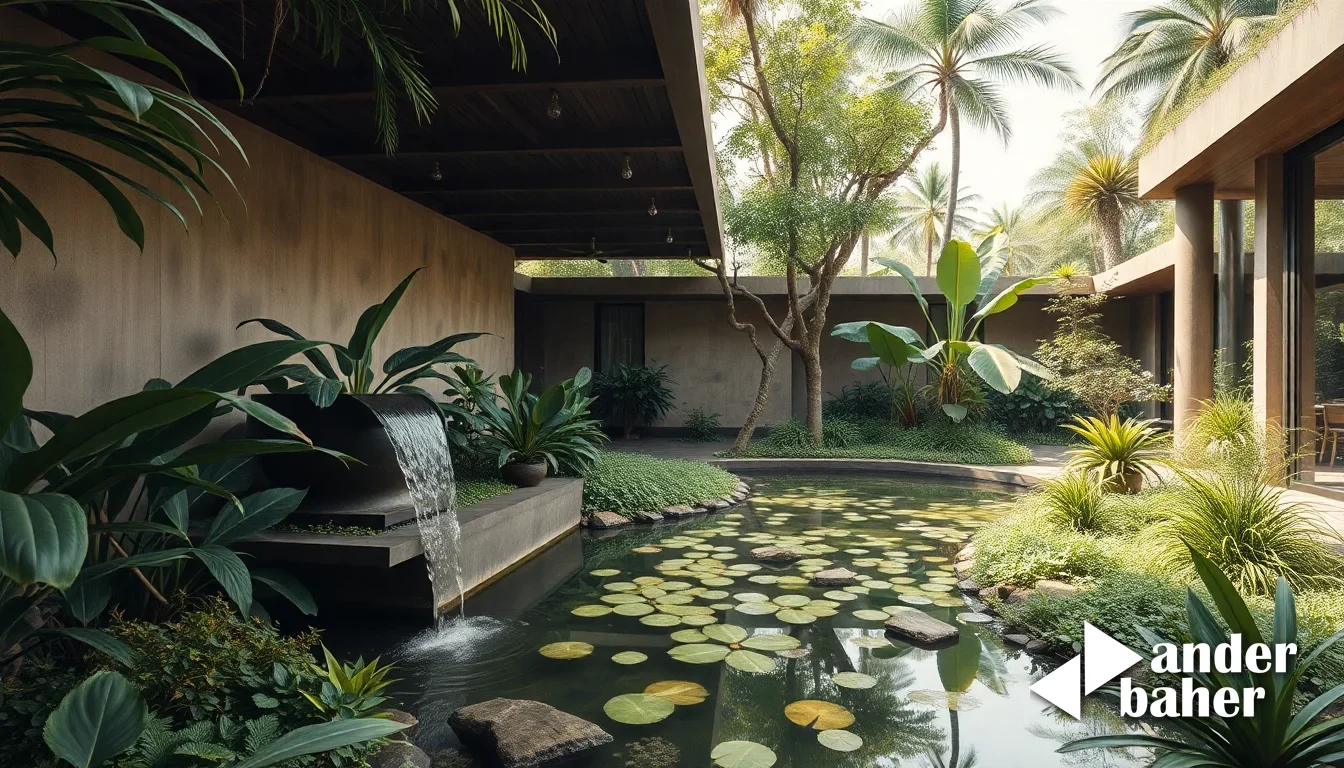
In an era where sustainability is not just a choice but a necessity, modern architecture has taken a pivotal turn towards integrating innovative water recycling systems. These systems represent a blend of technology and sustainability, aiming to reduce water consumption and minimize waste in urban and residential buildings. This article delves into the essence of these systems, their benefits, and how they're shaping the future of modern architecture, offering a blueprint for a more sustainable and water-efficient world.
The Need for Water Recycling in Architecture
Water scarcity is a growing concern globally, with urbanization and climate change exacerbating the situation. Modern architecture, in response, has adopted innovative water recycling systems as a cornerstone for sustainable design. This section explores the reasons behind the integration of these systems, highlighting the environmental, economic, and social incentives driving their adoption in modern buildings.
- Environmental Benefits: Water recycling significantly reduces the demand on freshwater resources, helping preserve natural ecosystems and biodiversity.
- Economic Advantages: It lowers water bills and reduces the infrastructure costs associated with water supply and wastewater treatment.
- Social Impacts: Promotes water conservation awareness and fosters a culture of sustainability among building occupants.
How Water Recycling Systems Work in Modern Architecture
Innovative water recycling systems in modern architecture operate on the principle of collecting, treating, and reusing water within a building or community. This section outlines the types of systems commonly used, their components, and the process of recycling water.
- Greywater Systems: These systems recycle water from showers, sinks, and laundry, repurposing it for toilet flushing, irrigation, and cooling systems.
- Rainwater Harvesting: Captures, stores, and treats rainwater for non-potable uses like irrigation, toilet flushing, and washing machines.
- Blackwater Recycling: Involves treating wastewater from toilets and kitchen drains to a high standard, making it suitable for non-potable applications.
The Benefits of Incorporating Water Recycling in Modern Architecture
The adoption of water recycling systems brings a multitude of benefits to modern architecture, from reducing water consumption to enhancing building efficiency. This section highlights the key advantages of these systems.
- Sustainability and Environmental Conservation: Significantly cuts down on water usage and contributes to the conservation of natural water bodies.
- Cost Efficiency: Reduces water bills and operational costs, offering long-term savings for building owners.
- Increased Property Value: Buildings with sustainable features, including water recycling systems, tend to have higher market values and attract environmentally conscious occupants.
Innovative Examples of Water Recycling in Modern Architecture
This part of the article showcases real-world examples of modern architecture where innovative water recycling systems have been successfully implemented. These case studies highlight the practicality and effectiveness of water recycling in achieving sustainability goals.
- The Edge, Amsterdam: Known as one of the greenest buildings in the world, it features a rainwater harvesting system that supports the building's water needs for toilets and irrigation.
- Bullitt Center, Seattle: Dubbed the greenest commercial building in the world, it utilizes a greywater treatment system for irrigation and a rainwater to potable water system.
- Khoo Teck Puat Hospital, Singapore: Integrates both greywater recycling and rainwater harvesting to significantly reduce potable water use, serving as a model for sustainable healthcare design.
Addressing FAQs on Water Recycling in Modern Architecture
Q: Is water recycling safe for use in buildings? A: Yes, when treated properly, recycled water is safe for non-potable uses such as toilet flushing, irrigation, and cooling systems.
Q: How cost-effective are water recycling systems? A: Initial installation costs can be higher, but the long-term savings on water bills and reduced environmental impact make these systems highly cost-effective.
Q: Can water recycling systems be retrofitted into existing buildings? A: While it's easier to integrate these systems into new constructions, existing buildings can also be retrofitted with water recycling technologies, though it may require more extensive modifications.
In Summary
The integration of innovative water recycling systems in modern architecture marks a significant step towards sustainability and environmental stewardship. By embracing these systems, architects and builders are not only addressing the pressing issue of water scarcity but also contributing to the creation of buildings that are both efficient and harmonious with the environment. As technology advances and awareness grows, the adoption of water recycling in architecture is set to become a standard, painting a hopeful picture for the future of sustainable development.
Facebook Twitter LinkedInStill need help?
Get in touch with us
Frequently asked
How do greywater and rainwater recycling systems work in luxury homes?
Greywater systems capture water from showers and sinks for toilet flushing and irrigation, while rainwater harvesting collects and treats roof runoff for non-potable uses. Both reduce freshwater demand and lower utility costs over time.
Will a water recycling system increase my property's resale value?
Yes—homes with sustainable water systems appeal to environmentally conscious buyers and typically command premium valuations while demonstrating long-term operational savings.
Can water recycling be added to an existing home?
Retrofitting is possible, though integration is more seamless in new construction. Modern systems are designed for discretion and can be adapted to most architectural styles without compromising aesthetics.
Ready to transform your space — inside or out?
Tell us a little about your home or office. We'll get back within one working day.
Book a consultation