
Magazine › Garden & Landscape
Reclaiming Forgotten Edges: When Margins Become Gardens
Abandoned urban spaces hold quiet potential. In India's densely built homes, the overlooked corner—a drain-side plot, a defunct service lane—can become a gathering place.
By the Ander Baher Editorial Desk · 9 September 2026
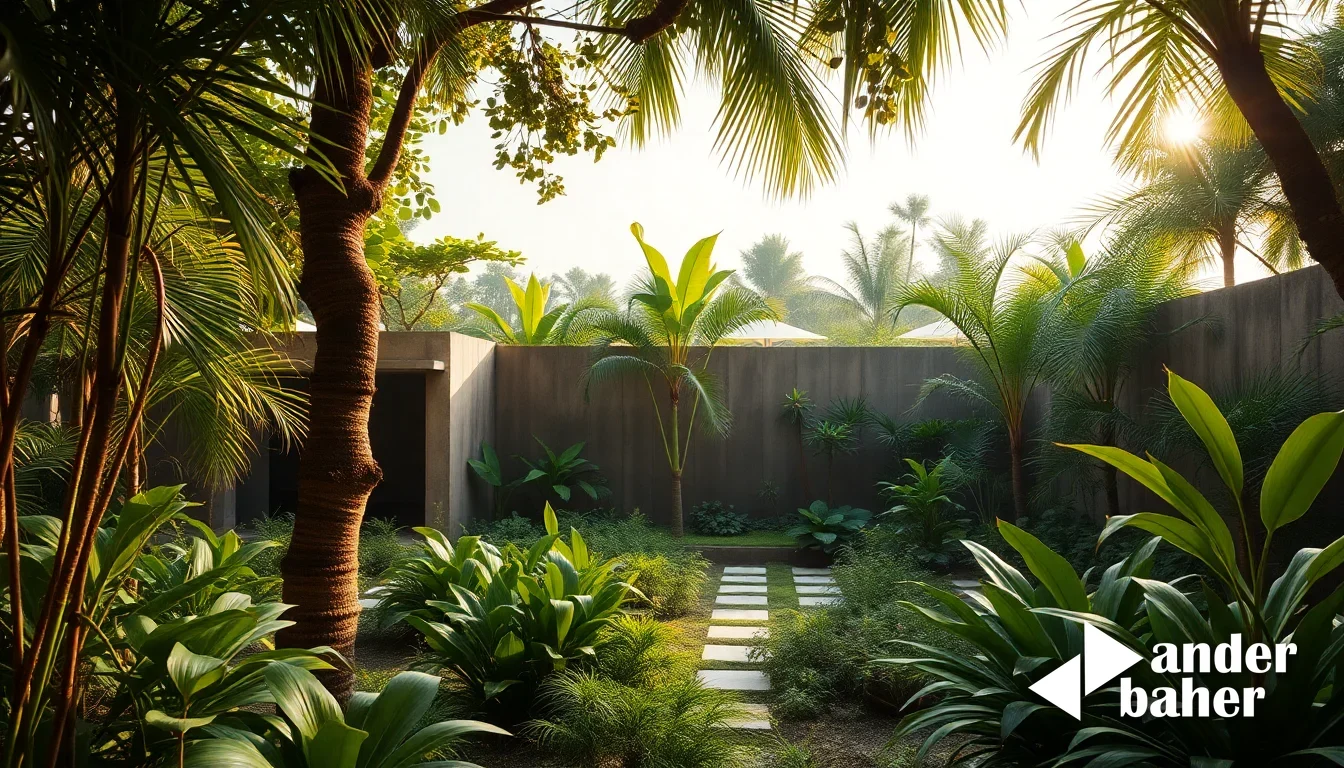
Every city has them: the leftover places nobody planned for. A defunct drainage channel running behind a Bangalore apartment block. A crumbling service lane in a Mumbai chawl. These edges—too narrow for parking, too compromised for construction—have long been treated as urban scars. Yet there is another possibility: that these margins, once acknowledged and carefully stewarded, might become the most alive spaces in our neighbourhoods.
The Potential of In-Between Spaces
In India's tightly woven residential clusters, we rarely luxuriate in sprawling gardens. Our outdoor life happens in slivers: a balcony shared between neighbours, a stairwell landing, a gap between compound walls. The constraint forces creativity. When a community recognizes an abandoned channel or underused setback not as waste, but as possibility, something shifts. These spaces become sites for collective imagination rather than collective neglect.
The transformation requires no grand budget—often just clarity of purpose. A neglected utility strip becomes a place where children play, where neighbours meet beyond the formality of lobbies. The physical act of clearing, planting, tending together rebuilds social sinew that high-rise living often frays.
From Liability to Gathering Place
The shift from abandonment to activation is partly practical, partly cultural. It begins when a resident or collective sees the space not as a problem to ignore, but as an inheritance to reclaim. In smaller cities and towns, this happens intuitively—a corner becomes a temple garden, a playground, a vendor's alcove. In metros, it requires deliberate gesture: securing permissions, building consensus, establishing maintenance rhythms.
Once claimed, these spaces develop character swiftly. Native plants establish themselves. Children stake claim to a small patch as their territory. Older residents begin sitting there in early mornings. The space becomes a mirror of the community's values and rhythms.
Design Without Pretence
The most durable transformations avoid the trap of over-design. A margin doesn't need elaborate landscaping to succeed. It needs permeability—physical and social. Rough paving that allows water to drain and weeds to thrive. Seating that invites lingering without insisting on it. Materials that age gracefully in tropical heat and monsoon moisture. Plants chosen for resilience, not rarity.
For apartment dwellers, the lesson is intimate. That corner of your terrace that collects rubble? A small bed of indigenous herbs. The dead space beside the compound gate? Ground cover and shade plants that soften the edge. These modest gestures, when multiplied across a community, reshape the texture of daily life.
Forgotten edges need not remain forgotten. They ask only to be noticed, and then tended with intention. In a country where land is precious and space contested, these small reclamations matter—not as grand solutions, but as quiet assertions that even margins belong to someone, and that someone is us.
Sources & further reading
- designboom — abandoned canal site in london transforms into a community playscape garden ↗
- Dezeen — Badweather converts derelict canal boat into London's first off-grid bathhouse ↗
- ArchDaily — City Governments Transform Industrial Buildings into Circular Construction Hubs in New York, London, and Brussels ↗
- Dezeen — Hudson Architects transforms neglected nightclub into King's Lynn Library ↗
An original Ander Baher perspective, informed by the coverage above.
Ready to transform your space — inside or out?
Tell us a little about your home or office. We'll get back within one working day.
Book a consultation