
Magazine › Interiors
The Restraint Principle: Why Less Spend Protects Premium Apartment Value
Discover how thoughtful restraint in interior spending—not excess—preserves and elevates the resale value of premium apartments in Bengaluru and Mumbai.
By the Ander Baher Editorial Desk · 23 October 2026
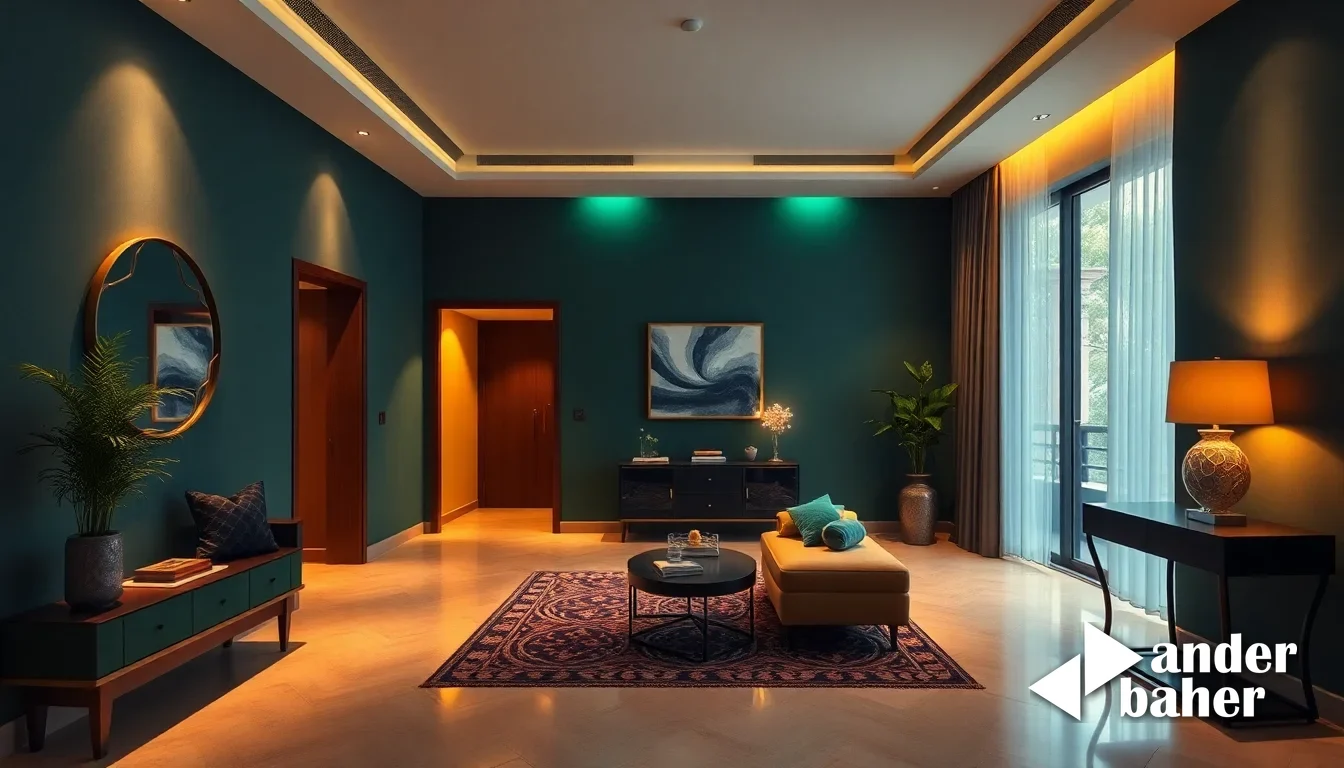
The moment a key turns in a new apartment—whether in a Devanahalli tower or a Lower Parel high-rise—an unspoken arithmetic begins. Owners find themselves caught between the urge to transform builder-vanilla finishes into something distinctly theirs, and a quieter concern: will this spend elevate or erode the apartment's market perception? The answer lies not in chasing comprehensive overhauls, but in understanding where design intention actually accumulates value.
Premium apartments already carry implicit expectations. A just-handed-over tower off Sarjapur Road or a Worli residence arrives with structure, sightlines and location already priced in. What matters now is restraint—not parsimony, but surgical investment in the elements that frame daily life and signal quality to a future buyer.
Understanding the Devaluation Trap
Over-specification is the hidden cost of premium property ownership. When a homeowner lavishes resources on trendy finishes, bespoke built-ins or heavily branded aesthetic choices, they are essentially personalizing the space in a way that future buyers must unpick. A soaring budget on wallpaper, sculptural lighting or boutique tile selections often signals to the next owner: this apartment carries someone else's taste embedded in its bones.
Conversely, restraint—the deliberate choice to invest only where it endures—sends a different message. It says: this is a well-curated foundation, ready for the next chapter. A new owner entering a space with thoughtful millwork, neutral material palettes and considered proportions feels they are inheriting potential, not obligation.
Devaluation accelerates when interiors are visibly dated, over-themed or dependent on rapidly-aging trends. A apartment in Electronic City with a 2015 maximalist brief will read as expensive and quaint by 2028. One with honest materials, restrained geometry and timeless spatial logic will feel prescient.
What Budget Actually Protects Value in a New Bengaluru or Mumbai High-Rise?
Targeted interior investment—typically 8–15% of the apartment's purchase price—tends to preserve and subtly enhance market perception when directed at three categories: thresholds, finishes and spatial continuity.
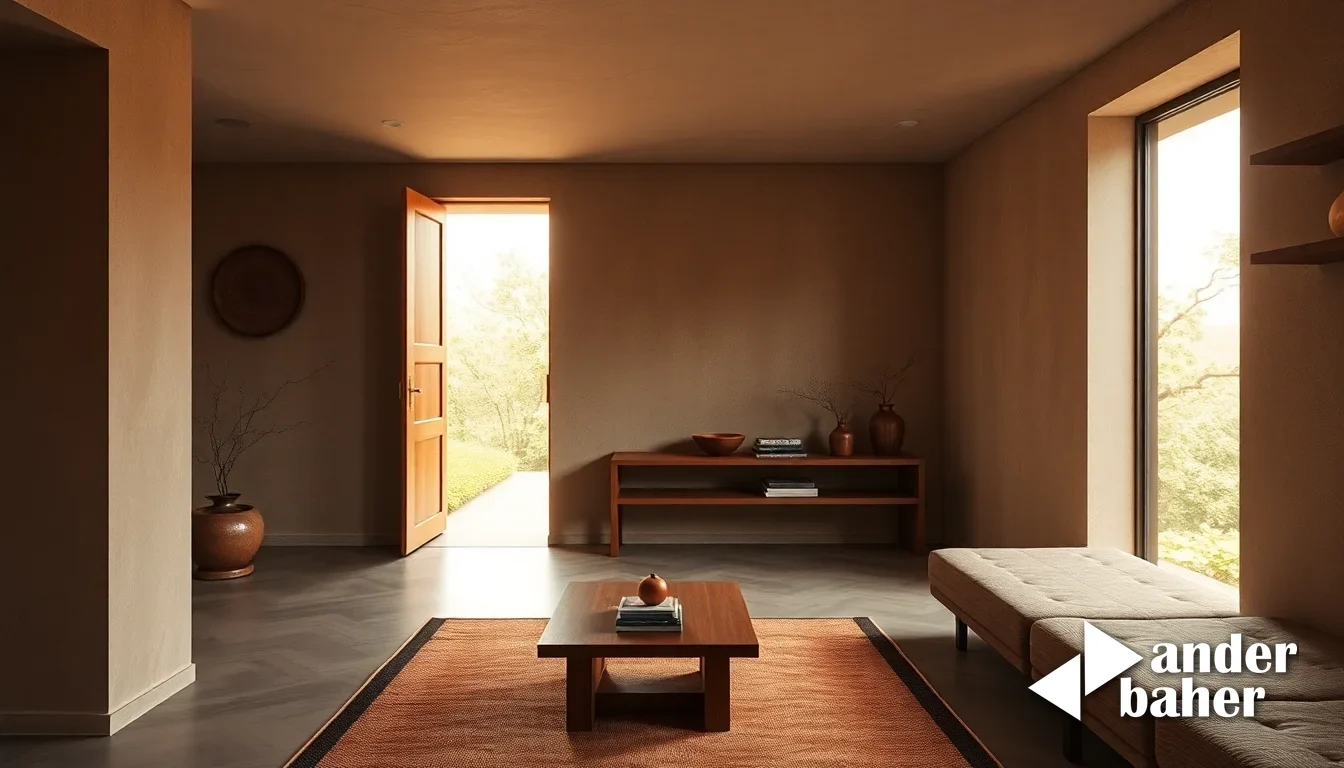
Thresholds are where interiors meet the public eye. Entry vestibules, gallery corridors and the immediate sight-line from the door set tone. This is where restraint becomes visible luxury: a single material (honed limestone, blonde oak, large-format concrete) applied with discipline costs less than mixed storytelling yet reads as intentional.
Finishes that age visibly—flooring, wall treatments, kitchen surfaces—warrant investment because they are expensive to replace and wear the apartment's age most obviously. Spending on quality here (robust timber rather than laminate, natural stone rather than ceramic, brass or stainless hardware rather than chrome-plated) extends the apartment's perceptual life by years.
Spatial continuity protects value through open-plan logic and visual flow. A just-handed-over apartment in Hennur or Mahalaxmi often arrives with partition walls that fragment natural light and sight-lines. Selective demolition and reframing—opening a kitchen, dissolving a corridor wall, clarifying the relationship between living and dining zones—can be more valuable than any single expensive finish. This work is structural, not stylistic, and therefore reads as improvement rather than taste.
The False Economy of Comprehensive Renovation
Many new owners instinctively believe: gutting and rebuilding the interior is the surest path to value. This is rarely true. A full interior overhaul signals to a buyer that the apartment was uninhabitable in its delivered state, which damages perceived quality. Moreover, comprehensive spending dilutes returns: every rupee spent renovating everything is a rupee that does not concentrate value where it matters most.
The inverse principle often holds: selective, visible restraint costs less, reads as more refined, and leaves room for the next owner to add their own intention. A Kudlu Gate apartment with a newly-completed tower's builder kitchen stripped out and replaced with a cohesive, well-lit kitchenette in oak and stone reads as thoughtful curation. The same apartment with a designer-maximum showpiece kitchen reads as transient, expensive taste.
Where Landscape Integration Adds Quiet Value
The threshold between interior and exterior—balconies, terraces, the relationship between rooms and the view beyond—often goes underinvested. Yet this is where an apartment's market perception shifts most measurably. A Varthur or Bandra East balcony transformed from a utilitarian slab into a considered outdoor extension (through thoughtful railing design, integrated planters, durable flooring materials, and shelter from monsoon exposure) signals sophistication without trend-dependence.
Landscape and outdoor design at this scale—balcony waterproofing, threshold articulation, soft-landscaping that frames rather than crowds—costs a fraction of interior fit-out yet communicates to buyers that the apartment was inhabited with intention. Integrated interior and landscape practices often recognize that the most valuable interventions are those that blur the boundary between in and out, making the apartment feel larger and more livable without expensively reconstructing it.
The Resale Conversation: What Buyers Actually Value
When an apartment in Domlur or Powai goes to market, resale valuers and buyers focus on three readable signals: structural integrity, material durability, and spatial logic. They do not price a premium for a bespoke chandelier, curated wall art or a maximalist colour story. They devalue apartments that require immediate correction or feel frozen in someone else's aesthetic moment.
An apartment with clear, light-filled rooms; material honesty; and a restraint that says "ready to grow with you" commands a different kind of attention—quieter, more durable, and ultimately more resilient to changing taste cycles.
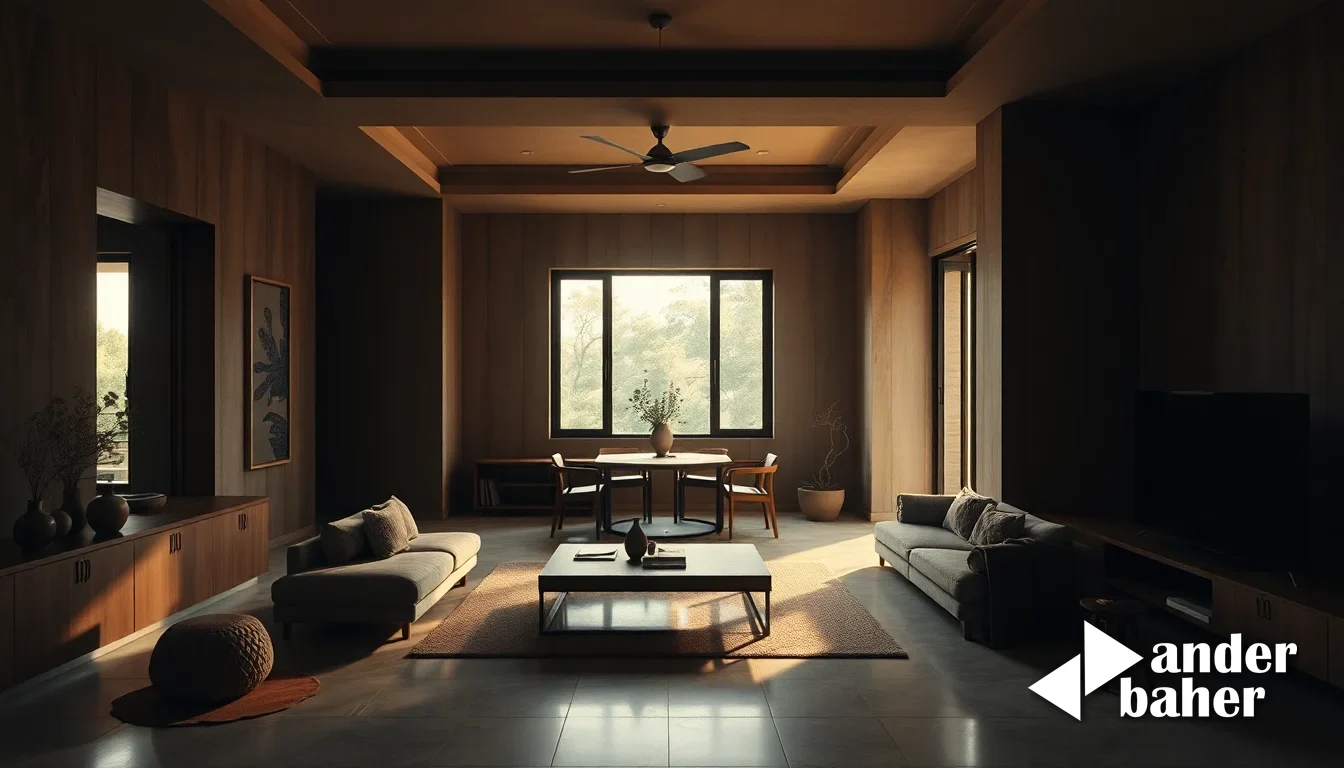
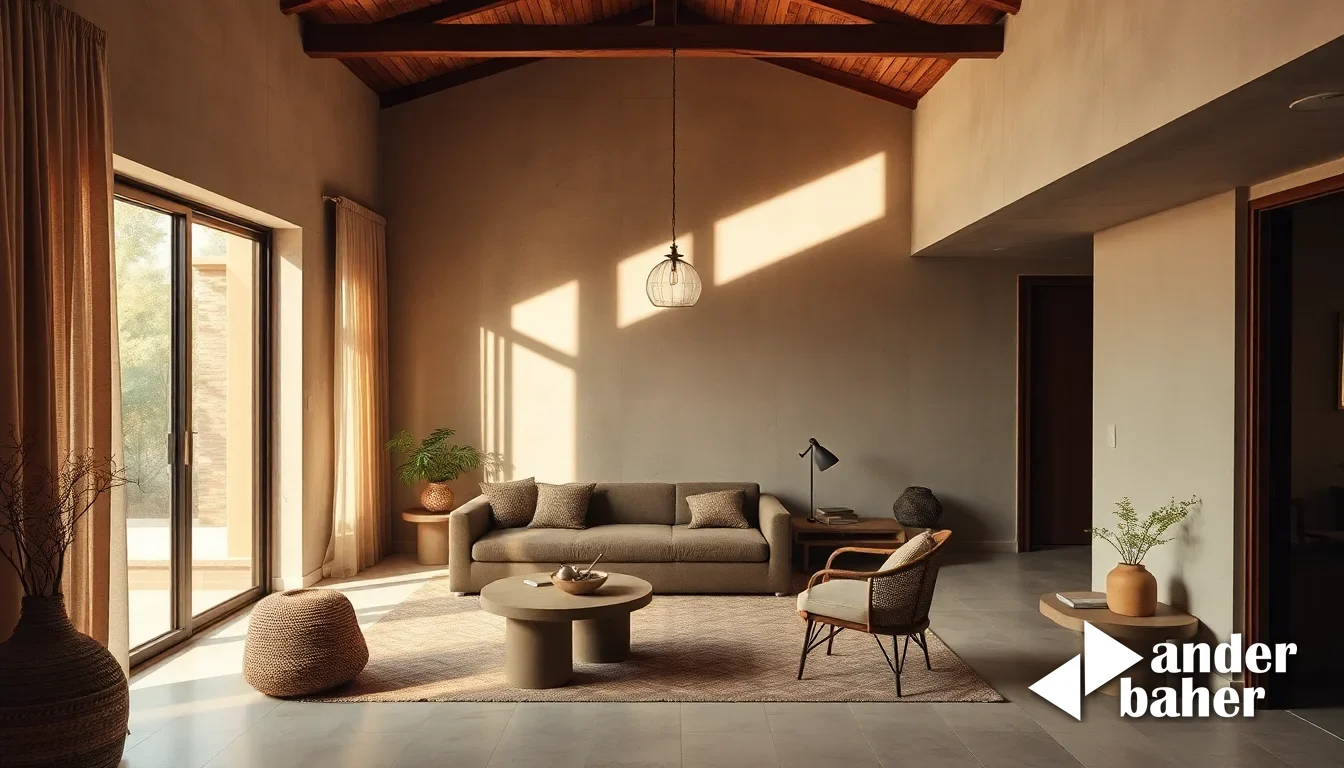
The ideal budget, then, is not the largest you can afford, but the smallest that achieves clarity. Invest in the apartment's bones—materials that age gracefully, spatial moves that unlock light and flow, and threshold design that signals care. Hold back from comprehensive theming, trend-dependent finishes, or investments that will need immediate unpicking by the next occupant. Our delivered spaces often illustrate this principle: restraint read as luxury, intention visible in every material choice, rooms that feel generous without requiring constant maintenance of a design narrative. The apartment that appreciates is not the one that was most expensive to finish, but the one that feels most complete to inhabit—and most ready to become someone else's home.
Frequently asked
How much should I budget for interiors in a new luxury apartment in Bengaluru or Mumbai?
Plan 8–15% of your apartment's purchase price for targeted interiors—focusing on thresholds, durable finishes and spatial continuity rather than comprehensive renovation. This range protects resale value by signalling restraint and intentionality.
What interior upgrades actually add value to a premium apartment for resale?
Invest in material durability (flooring, surfaces, hardware), spatial clarity (opening walls for light and flow), and threshold design that frames entry and outdoor transitions. Skip trendy finishes and bespoke theming, which date quickly and require expensive unpicking by the next owner.
Does a full interior renovation devalue a newly-handed-over premium apartment?
Often yes. Comprehensive gutting signals the delivered apartment was uninhabitable and dilutes value across too many decisions. Selective, visible investments—new kitchen, reframed walls, refined balcony design—cost less and read as more sophisticated to buyers.
How do landscape and balcony design affect apartment resale value in high-rises?
Thoughtfully designed outdoor thresholds—improved waterproofing, railing articulation, durable flooring, integrated planting—signal intentional inhabitation without trend-dependence, making apartments feel larger and more livable while commanding resale confidence.
Ready to transform your space — inside or out?
Tell us a little about your home or office. We'll get back within one working day.
Book a consultation