
Magazine › Interiors
The Grammar of Stone: How Intricate Masonry Shapes Modern Indian Homes
Discover how detailed stonework—inspired by historical craft—transforms contemporary Indian interiors into spaces of depth, shadow and intention.
By the Ander Baher Editorial Desk · 31 October 2026
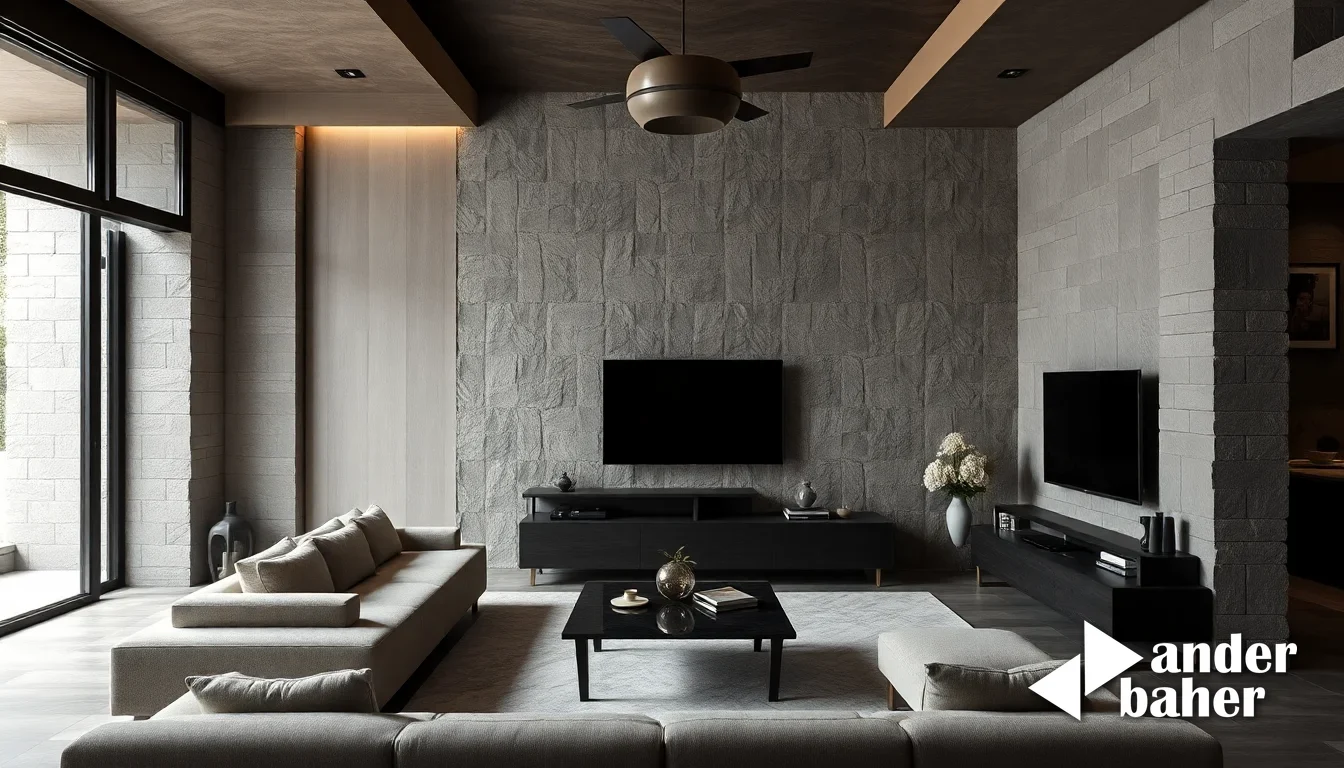
There is a moment, late afternoon, when sunlight finds the face of intricate stonework and reveals what the eye had missed in the morning—depth. Not mere surface, but layers. Shadows pooling in carved recesses. A vocabulary written in stone, patient and deliberate.
When architectural practices reference historical craftsmanship—the kind embedded in medieval facades and temple courtyards—they remind us that detail is not decoration. It is restraint made visible. In Indian homes, this principle has never been foreign. The jali screen that filters light; the stone lattice that dissolves the boundary between room and garden; the carved corbel that catches the eye only when you move past it twice—these are not borrowed languages. They are ours.
Yet somewhere in the rush toward glass, steel and minimalism, many new homes in Bengaluru and Mumbai have abandoned this grammar. A newly-completed high-rise in Whitefield or Powai arrives with clean walls, polished floors, and a kind of flatness. The interiors demand intention precisely because the builder default offers none.
Why Stone Language Matters in Apartment Living
Intricate stonework in a modern apartment is not nostalgia. It is a decision about how surfaces behave—how they catch light, how they slow the eye, how they make a room feel inhabited rather than occupied.
Consider a newly-handed-over apartment in a tower off Sarjapur Road or in Lower Parel. The walls are ready. The geometry of the rooms is fixed. But the material language—what you touch, what you see in morning light, what creates shadow at dusk—remains open. Stone, whether through a carved feature wall, an inlaid floor detail, or a sculptural screen that separates zones, introduces a conversation. It says: this space has been considered. This is not accidental.
The sophistication lies not in ornament, but in restraint. A single accent wall composed of stacked stone with intentional grout lines and subtle surface variation reads as far more powerful than scattered decorative panels. The principle that governs traditional Indian stonework—repetition with variation, rhythm, the patient accumulation of detail—translates directly to contemporary interiors.
How Detailed Stone Screens Shape Light and Space
A carved stone jali or lattice screen does something glass and drywall cannot: it negotiates between privacy and openness through the grammar of pattern. Morning sun transforms it into a projection of geometry on the floor. Evening light reverses the effect. At night, it becomes silhouette.
In a Bengaluru apartment facing the harsh glare of the IT corridor, or a Mumbai home wrestling with monsoon-driven dampness on terraces and balconies, a stone screen serves a dual purpose—it is both functional and meditative. It blocks sightlines without sealing the room. It diffuses intense afternoon sun without air-conditioning strain. And it demands that you move, that you notice the shift from light to shadow, from one room to another.
The best placements are often the simplest: a carved panel as threshold between living and sleeping zones; a stone feature behind a bed that becomes the first thing your eye finds in the morning; a balcony screen—executed in weather-resistant stone or stone composite—that honors both the indoor volumes and the outdoor terrace as a unified whole.
Sourcing and Living with Handcrafted Stone in Contemporary Homes
The question for homeowners in just-handed-over developments like those in Ivc Road or Bandra East is practical: where does one source thoughtful stonework, and how does it integrate with builder-standard finishes?
The answer begins with material selection. Indian limestone, sandstone, and slate offer color palettes—warm golds, soft grays, charcoal—that age with grace and feel rooted in place. Handcarved details, whether commissioned from local stone artisans or sourced through design-led studios, carry the mark of intention. A wall of stacked stone, each piece irregularly cut and set with thick grout joints, creates depth that factory-finished cladding cannot.
The process is slower than ordering prefab panels. It is also irreplaceable. When you commission a stone screen or feature wall, you are not purchasing a product. You are entering into a conversation with a craftsperson about pattern, proportion, and the specific way light moves through your room.
Our integrated interior and landscape practice works with stone as both structural element and aesthetic anchor—selecting pieces that speak to the climate, the light, and the daily rhythm of the home. The investment is in durability and the kind of beauty that accumulates with time, not diminishes.
Stone as Threshold: Interior and Exterior as One Language
Where the Ander Baher perspective deepens is at the boundary—the threshold where interior architecture meets landscape. A carved stone screen that filters light into a living room can extend to the balcony or courtyard beyond, unifying the visual language across threshold. A feature wall of stacked stone in the bedroom can mirror the materiality of a garden wall or planter edge visible through the window.
This coherence is what separates a collection of beautiful rooms from a unified home. It is why details matter. The same stone texture, the same depth of carving, the same play of light—when they echo from inside to outside—create a sense that the space has been conceived as a whole, not assembled from catalogs.
In renovations, where existing interiors demand rethinking and balcony waterproofing and structural clarity often drive the conversation, stone offers an opportunity to reset. The old damp wall becomes the occasion for a feature of real material depth. The undifferentiated balcony becomes a lanai-like extension through the introduction of a carved screen that filters monsoon light without trapping water.
Intricate stonework in the modern Indian home is not about copying the past. It is about understanding that the past knew something durable about how materials age, how light behaves, how detail creates meaning. Every afternoon when the sun finds the carved face of a stone screen and casts its geometry across your floor, you are living inside an argument for intention. For materials that earn their place not through novelty, but through the slow, patient accumulation of presence.
Bring this grammar into your space. Explore how thoughtful stonework transforms contemporary homes, or speak with our studio about embedding crafted detail into your interiors and landscape as a unified vision.
Sources & further reading
- designboom — foster + partners’ generali stadium references the intricate stonework of milan’s duomo ↗
- Dezeen — Foster + Partners unveils replacement for landmark San Siro stadium in Milan ↗
- Dezeen — This week Foster + Partners unveiled the replacement for San Siro stadium ↗
- designboom — woven bamboo armchair clad in UV-reactive crocheted blooms glows in the dark ↗
An original Ander Baher perspective, informed by the coverage above.
Frequently asked
How do I incorporate carved stone screens in a newly-completed apartment in Bengaluru or Mumbai?
Carved stone screens work best as feature walls, balcony dividers, or room thresholds in just-handed-over apartments. They integrate with builder finishes by anchoring the aesthetic tone—select a material and pattern that complements existing flooring and wall colour, then position the screen where it catches natural light and frames a view or separates zones intentionally.
What type of stone is best for interior screens and feature walls in Indian homes?
Handcrafted Indian limestone, sandstone, and slate are ideal for interiors—they age beautifully, suit India's climate, and offer warm colour palettes. For balconies and outdoor thresholds exposed to monsoon, select weather-resistant stone or composite alternatives with similar visual depth but enhanced durability.
How much does a custom carved stone feature wall or screen cost?
Cost varies by material, size, and craft intensity. A modest feature wall or screen is a meaningful investment; budget reflects the handwork and craftsmanship involved. We recommend <a href="/cost-estimator">using our AI estimator for interiors</a> to explore ranges based on your space and scope.
Can stonework help with monsoon dampness on balconies and terraces?
Yes—a well-designed stone screen or feature element on a balcony can manage water flow and prevent direct rain from saturating interior walls, while also creating visual continuity between inside and outside. Paired with proper waterproofing, it functions as both practical and aesthetic intervention.
Ready to transform your space — inside or out?
Tell us a little about your home or office. We'll get back within one working day.
Book a consultation