
Magazine › Interiors
When Furniture Refuses to Comfort: Design as Provocation
A new generation of designers is questioning the tyranny of comfort, crafting deliberately austere furniture that asks us to reconsider what home truly means.
By the Ander Baher Editorial Desk · 24 August 2026
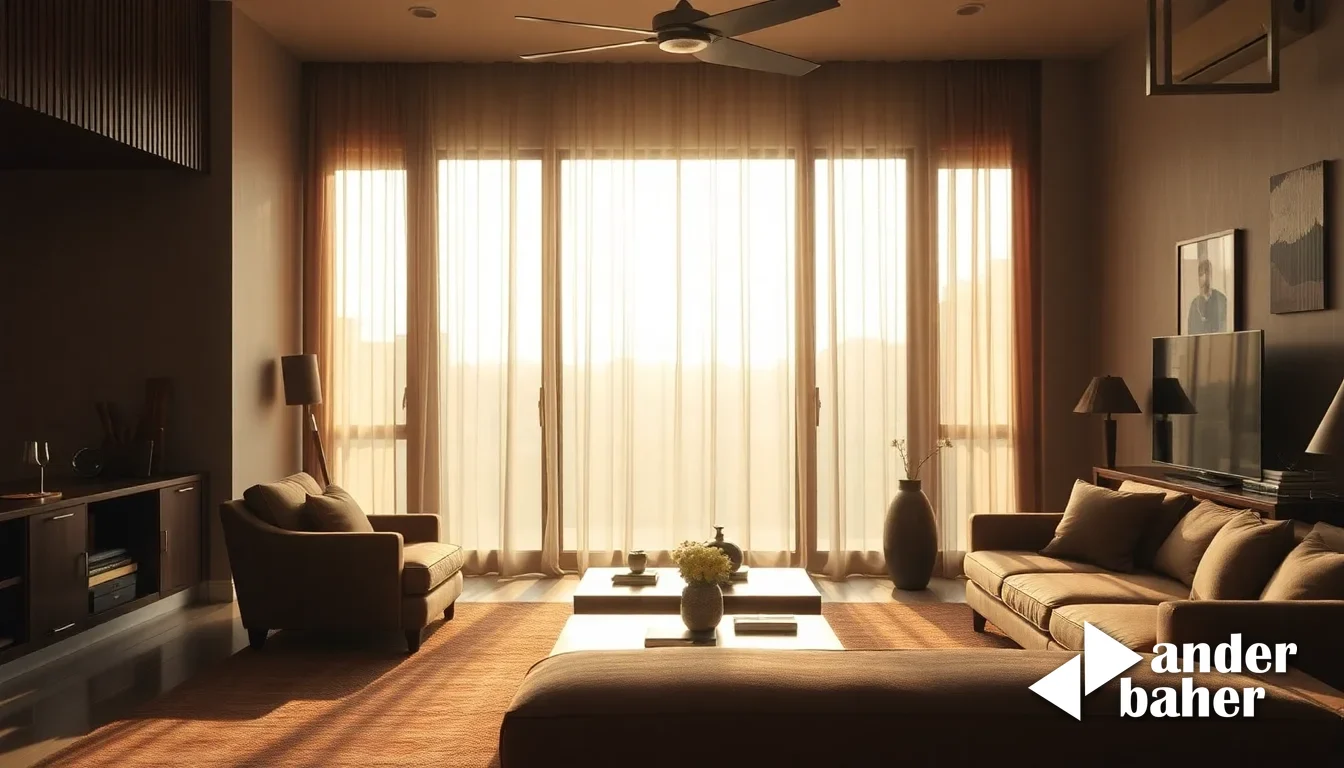
The chair sits in the corner like a visitor who has overstayed their welcome. Its cold, unforgiving surface curves in ways that resist the body's natural geometry. To sit on it is to negotiate with discomfort, to acknowledge that not every object in a room exists to placate us. This is the paradox at the heart of contemporary furniture design: the deliberate rejection of ease as a form of communication.
In homes across Bangalore and Mumbai, where interior design has become synonymous with the pursuit of sanctuary and retreat, this approach feels almost heretical. We have been conditioned to believe that a well-designed interior should enfold us, should offer respite from the world outside. The sofa should embrace; the bed should cradle; the dining chair should disappear beneath us as we linger over conversation. But what happens when a designer refuses this contract?
The Language of Resistance
Uncomfortable furniture operates as a form of language—one that speaks about authenticity, intention, and the spaces we actually inhabit. When a chair resists your body, it forces presence. It refuses the numbness that comes from sinking into upholstered cushions while scrolling through a phone. The coldness of bare metal, the precise angles that demand adjustment, the surfaces that offer no apology—these become statements about how we choose to live.
This philosophy resonates quietly in Indian homes, where the relationship between space and self has always been more complex than Western design discourse acknowledges. Our traditional approach to living has never equated comfort with furniture; a cotton durrie on stone floors, a low wooden stool, the simple kata of a wooden bench—these were never designed to eliminate the sensation of sitting. They acknowledged it, made it part of the experience.
Discomfort as Clarity
There is something almost honest about furniture that does not pretend to be something it is not. In an era of soft maximalism and Instagram-ready interiors, the austere presence of an uncomfortable chair functions as a form of resistance. It suggests that not every moment in a home needs to be consumed by comfort; some moments deserve to be sharp, alert, even slightly confrontational.
The provocation is not cruel—it is clarifying. By refusing to dissolve into the background, these pieces ask inhabitants to be conscious of their choices. Why do we fill our homes with objects that ask nothing of us? What happens when we allow an interior to occasionally push back?
For those reimagining Indian homes, this offers a quiet permission to move beyond the either-or of traditional-versus-contemporary, comfortable-versus-cold. A single deliberately austere piece among softer furnishings becomes a small monument to intentionality, a reminder that thoughtful living sometimes requires friction. The question is not whether you will sit in it long, but whether sitting in it at all will change how you see the room.
Sources & further reading
- designboom — deliberately uncomfortable stainless steel chair turns sitting into social commentary ↗
- designboom — takuto ohta turns 200 leftover cedar logs into an evolving furniture system ↗
- designboom — when the car moves upstairs, the garage becomes part of the home ↗
- Dezeen — Rough drystone walls frame sunken home on Greek island by Alexandre Pavlidis ↗
An original Ander Baher perspective, informed by the coverage above.
Frequently asked
Can deliberately uncomfortable furniture work in a luxury home?
Yes—a single provocation piece among softer furnishings functions as intentional counterpoint, not negation. It asks inhabitants to remain conscious of their choices rather than dissolve into passive comfort.
How does this approach connect to Indian design heritage?
Traditional Indian living—the cotton durrie, low wooden stool, simple wooden bench—never equated comfort with furniture. These pieces acknowledged the sensation of sitting, making it part of the experience rather than erasing it.
What's the difference between uncomfortable and poorly designed?
Intentional discomfort speaks through precision, material honesty, and clarity of form. Poor design simply fails to support the body; provocation demands presence and reflection.
Ready to transform your space — inside or out?
Tell us a little about your home or office. We'll get back within one working day.
Book a consultation