
Magazine › Interiors
From Trash to Treasure: The Art of Upcycled Interiors
Explore the transformative world of Sustainable Interior Design with our latest blog. Discover the latest trends, from natural materials to energy-efficient lighting, and gain valuable tips for creating eco-friendly, stylish interiors. Join us in shaping a sustainable future for design and architect
By the Ander Baher Editorial Desk · 5 November 2023
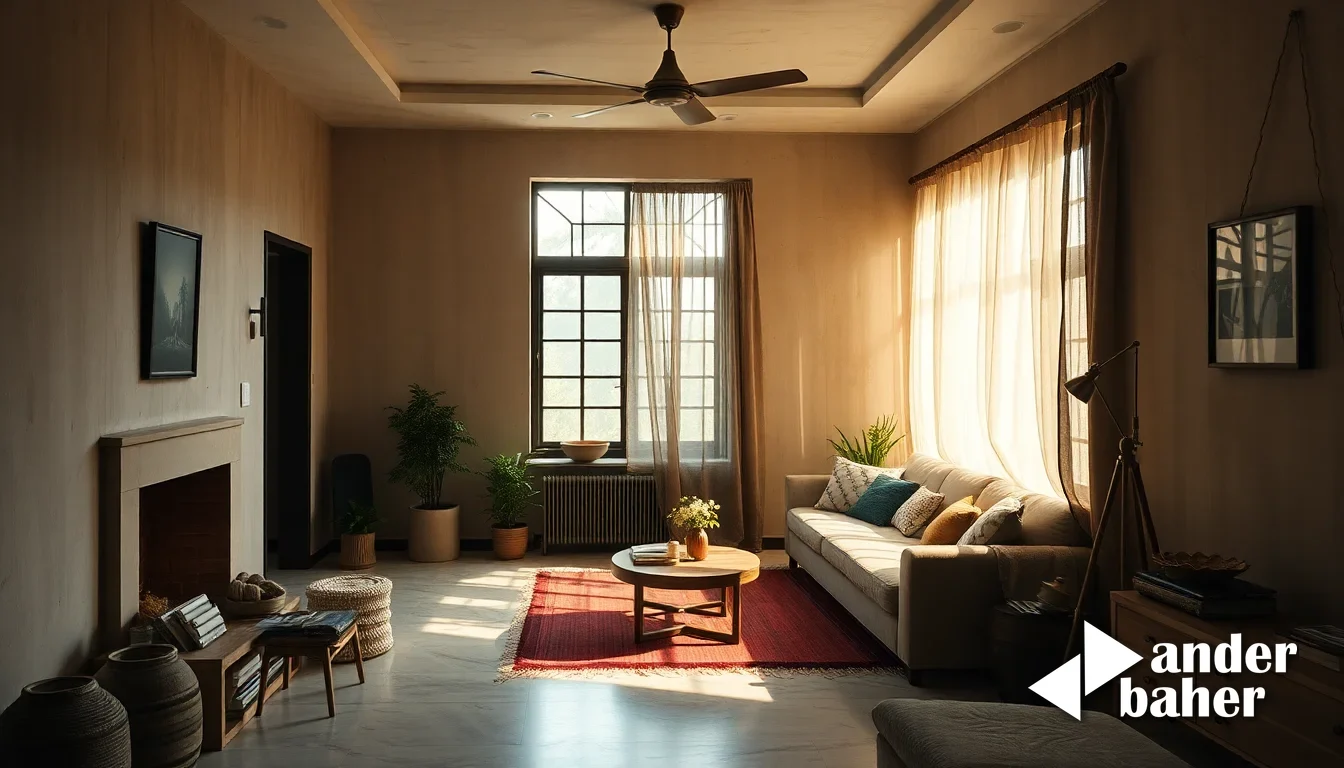
In the world of design and architecture, there's a growing awareness of the impact our choices have on the environment. As our planet faces increasing challenges from climate change and resource depletion, the importance of eco-friendly design choices cannot be overstated. In this blog, we explore the exciting world of sustainable interior design, delving into the trends and offering valuable tips for creating spaces that not only look stunning but also promote a healthier planet.
The Rise of Sustainable Interior Design
Sustainable interior design is more than just a passing trend; it's a movement that's transforming the way we think about our living and working spaces. It's about creating interiors that minimize harm to the environment while enhancing the quality of life for occupants. Here are some of the key trends that are shaping the sustainable interior design landscape:
Natural Materials: The use of natural materials, such as reclaimed wood, bamboo, cork, and stone, is on the rise. These materials are not only visually appealing but also have a lower environmental footprint.
Energy-Efficient Lighting: LED lighting, with its energy efficiency and longevity, has become a staple in sustainable design. Smart lighting systems that adjust to natural light levels further reduce energy consumption.
Low-VOC Paints and Finishes: Volatile Organic Compounds (VOCs) found in traditional paints and finishes can release harmful chemicals into the air. Low-VOC or VOC-free alternatives are becoming more popular for healthier indoor air quality.
Upcycling and Repurposing: Creativity knows no bounds when it comes to sustainable design. Repurposing and upcycling old furniture and materials not only reduce waste but also add a unique character to spaces.
Biophilic Design: The integration of nature into interior spaces has gained traction. Incorporating plants, natural patterns, and earthy color palettes can improve well-being and connection with the environment.
Tips for Sustainable Interior Design
Now that we've explored the trends, let's delve into some practical tips for incorporating sustainable principles into your interior design projects:
Choose Durable Materials: Opt for materials that are not only eco-friendly but also durable. Long-lasting materials reduce the need for frequent replacements and minimize waste.
Energy-Efficient Appliances: When selecting appliances, prioritize those with Energy Star certification. They consume less energy, saving both money and the environment.
Sustainable Furniture: Invest in furniture made from responsibly sourced materials and manufactured with minimal waste. Look for certifications like FSC (Forest Stewardship Council) for wood products.
Smart Home Technology: Integrating smart home systems can help optimize energy use. Temperature and lighting controls, as well as energy-efficient appliances, can significantly reduce consumption.
Local Sourcing: Whenever possible, source materials and products locally to reduce transportation-related carbon emissions. Support local artisans and businesses that prioritize sustainability.
Repurpose and Upcycle: Get creative with repurposing old items. An old door can become a unique dining table, and reclaimed wood can transform into a stunning accent wall.
Consider Life Cycle Analysis: Evaluate the environmental impact of materials and products from production to disposal. Life cycle analysis helps you make informed choices.
Sustainable interior design is no longer a niche concept; it's a guiding principle that is reshaping the way we think about the spaces we inhabit. By incorporating eco-friendly choices and following the trends in sustainable design, you not only contribute to a healthier planet but also create interiors that stand the test of time. As designers and architects, embracing sustainability isn't just a trend; it's a commitment to a brighter and more sustainable future for all. So, go ahead, let your creativity shine while being mindful of our beautiful planet. Your designs can be the change the world needs.
Facebook Twitter LinkedInStill need help?
Get in touch with us
Frequently asked
What exactly is upcycled interior design, and how does it differ from recycling?
Upcycling creatively transforms old or discarded materials into new, often higher-value pieces—an old door becoming a dining table, for instance. Unlike recycling, which breaks materials down, upcycling preserves the original object's integrity while adding unique character and reducing waste.
Are sustainable interiors more expensive than conventional design?
Not necessarily. While responsibly sourced materials and certifications (FSC, Energy Star) carry premium positioning, local sourcing and creative repurposing often offset costs. The true value emerges in durability—sustainable pieces outlast trend-driven alternatives, reducing long-term replacement expense.
How can I start incorporating sustainable principles into my existing home?
Begin with low-impact swaps: choose low-VOC paints, upgrade to LED lighting, source one signature piece from a local artisan, and experiment with repurposing an overlooked item. These incremental choices compound into a genuinely sustainable interior without requiring a complete overhaul.
Ready to transform your space — inside or out?
Tell us a little about your home or office. We'll get back within one working day.
Book a consultation