
Magazine › Interiors
The Essential Five: Elements That Ground an Indian Home
Beyond furniture and finishes, certain elements have quietly anchored Indian domestic life for centuries—and they remain non-negotiable today.
By the Ander Baher Editorial Desk · 24 July 2026
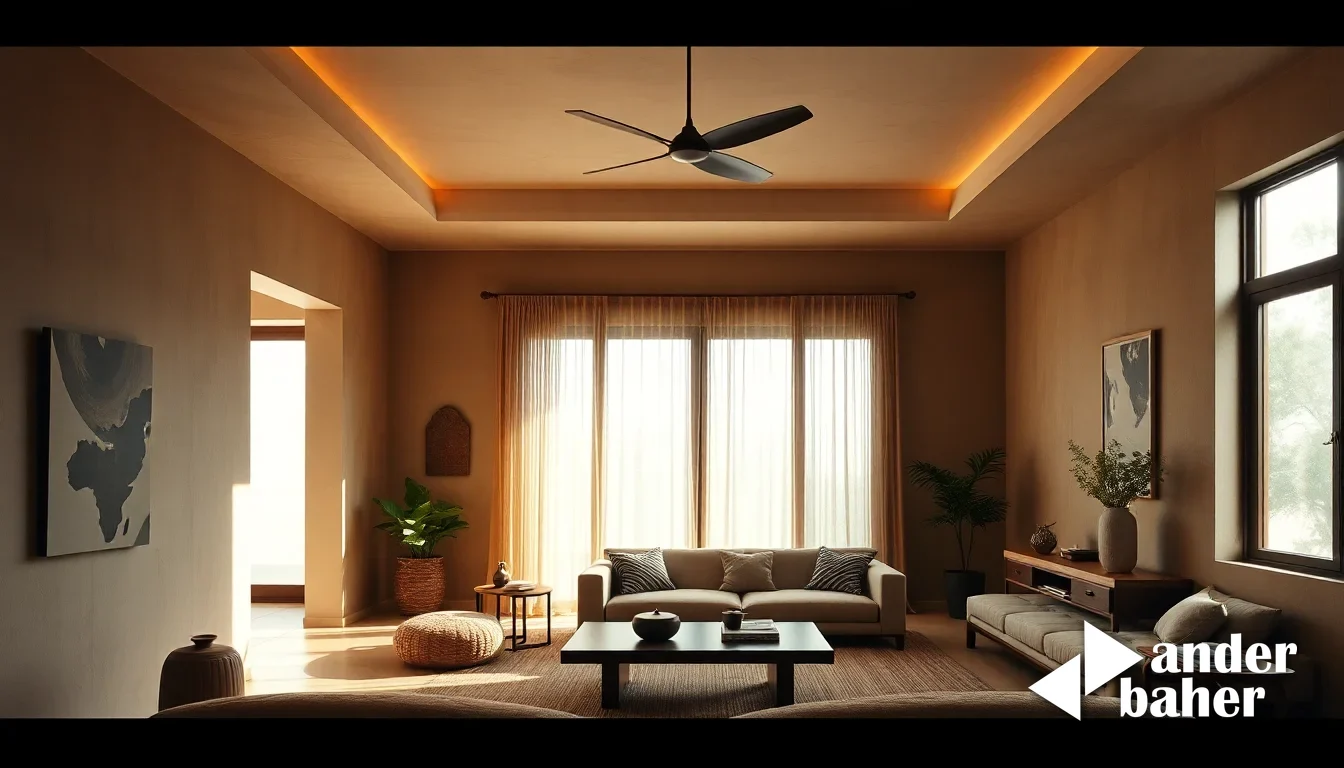
Walk into a well-considered Indian home and you'll sense something before you see it—a kind of equilibrium. It isn't always about what's expensive or fashionable. Rather, it's about what works, what lasts, and what aligns with how we actually live. After years of designing and inhabiting these spaces, certain non-negotiables emerge. They transcend trend and geography, whether a Mumbai apartment or a Bangalore villa.
Natural Light and Cross-Ventilation
An Indian home without thoughtful light is incomplete. The subcontinent's intense sun demands more than windows; it requires strategy. Deep overhangs, jali screens, and courtyards aren't ornamental—they're oxygen for the home. Cross-ventilation becomes essential not just in summer, but for the psychological ease of inhabiting a space that breathes. When you enter a room where air moves and light arrives filtered rather than brutal, the entire quality of living shifts. This is why traditional architecture intuited what modern cooling cannot replace: the feeling of connection to the outside, modulated.
A Threshold Between Public and Private
The verandah, the transitional corridor, the screened entrance—India's homes have always understood that the boundary between street and sanctuary matters. A clear threshold, whether a simple step up, a defined entry vestibule, or a courtyard buffer, signals psychological shift. It says: here, the outside world pauses. This doesn't demand wealth; a planted entrance, a carved screen, or even a generous doorframe does the work. In dense cities, this threshold becomes even more vital, offering residents a moment to shed the noise before entering their private realm.
Water as Living Element
A fountain, a small pond, a rain-catching feature—water transforms an Indian home from static to alive. It cools the air (yes, measurably), it creates sound that masks urban noise, and it invites birds and insects that soften the boundary between inside and outside. Whether it's a traditional baoli-inspired feature or a contemporary minimal water wall, the presence of water isn't luxury. It's a return to what every Indian household once had: a connection to this essential element.
Storage That Doesn't Apologize
Indian homes accumulate. Textiles, books, ritual objects, seasonal items, heirlooms. Rather than hide this reality behind minimalist aesthetics, the homes that feel right embrace generous storage as architecture. Built-in cabinetry, deep shelving, dedicated closets—these are not indulgences. They're how a space becomes livable. Good storage is invisible only when it works; when it fails, the entire home feels chaotic. A well-designed cupboard or linen room is as essential as the foundation.
A Gathering Surface
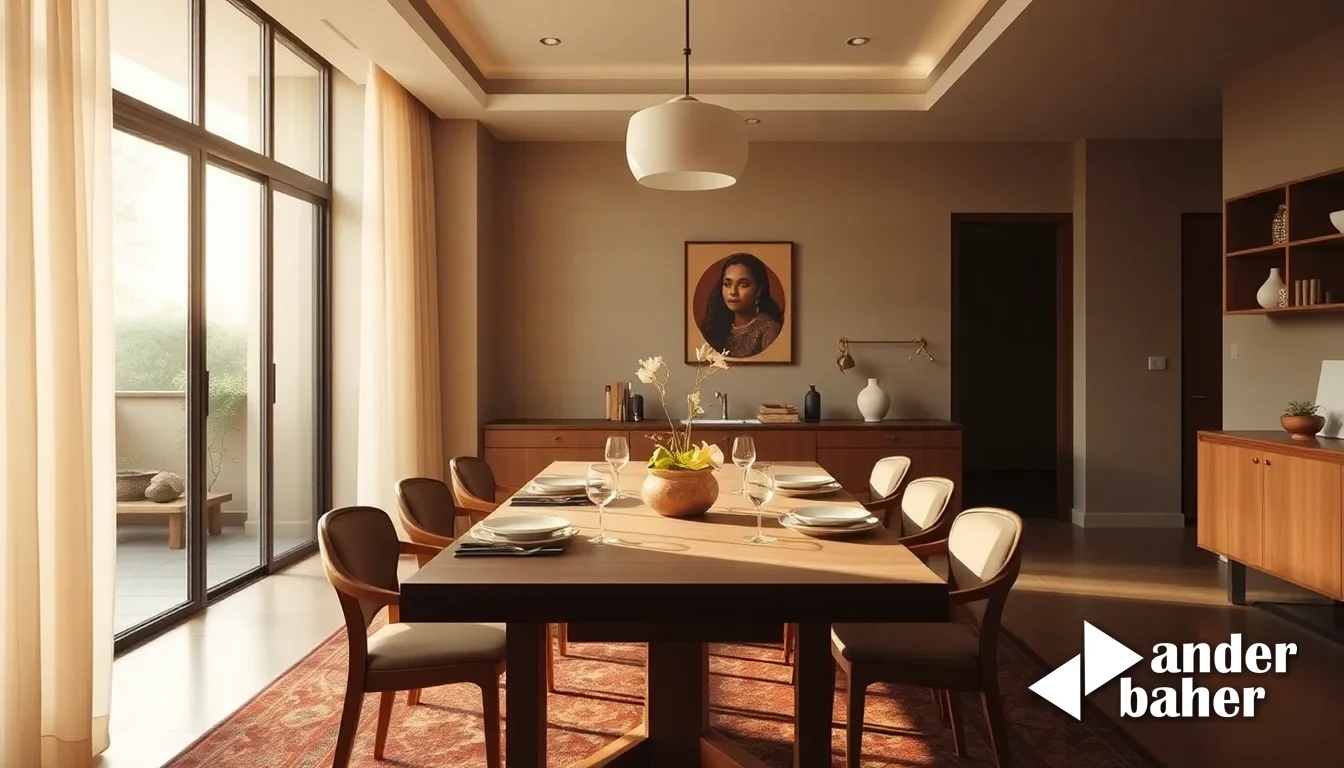
Whether it's a dining table, a large kitchen counter, a wide step in the courtyard, or a low platform—every Indian home needs a surface where multiple people can gather, eat, work, or simply be. This isn't about size; even a generous four-seater in a small apartment serves this purpose. It's the physical manifestation of how Indian life actually operates: together, around something, in conversation. The table or platform becomes the heart.
These five elements aren't about style. They're about honoring how homes function in India's climate, culture, and rhythms. A home built on these principles doesn't feel designed; it feels inevitable.
Frequently asked
What are the non-negotiable design principles for an Indian home?
Natural light and cross-ventilation, a clear threshold between public and private spaces, water as a living element, generous built-in storage, and a gathering surface for communal living—these five elements transcend trend and align with how we actually inhabit Indian homes.
Why is a threshold or verandah important in Indian home design?
A defined threshold—whether a step, vestibule, or courtyard buffer—creates a psychological shift from the outside world to sanctuary, signaling a pause from urban noise; this becomes especially vital in dense cities.
How does water feature in a well-designed Indian home?
Whether traditional or contemporary, water cools air, masks urban noise, and invites wildlife that softens boundaries between inside and outside—it transforms a home from static to alive and reconnects residents to an essential element.
Ready to transform your space — inside or out?
Tell us a little about your home or office. We'll get back within one working day.
Book a consultation