
Magazine › Interiors
Embracing the Future: The Impact of 21st Century Interior Design
Explore the captivating journey of interior design through the 21st century in our latest blog. From the fusion of diverse styles to the rise of sustainability and the integration of cutting-edge technology, we unveil the ever-evolving canvas of modern living spaces. Discover how individuality, cult
By the Ander Baher Editorial Desk · 2 November 2023
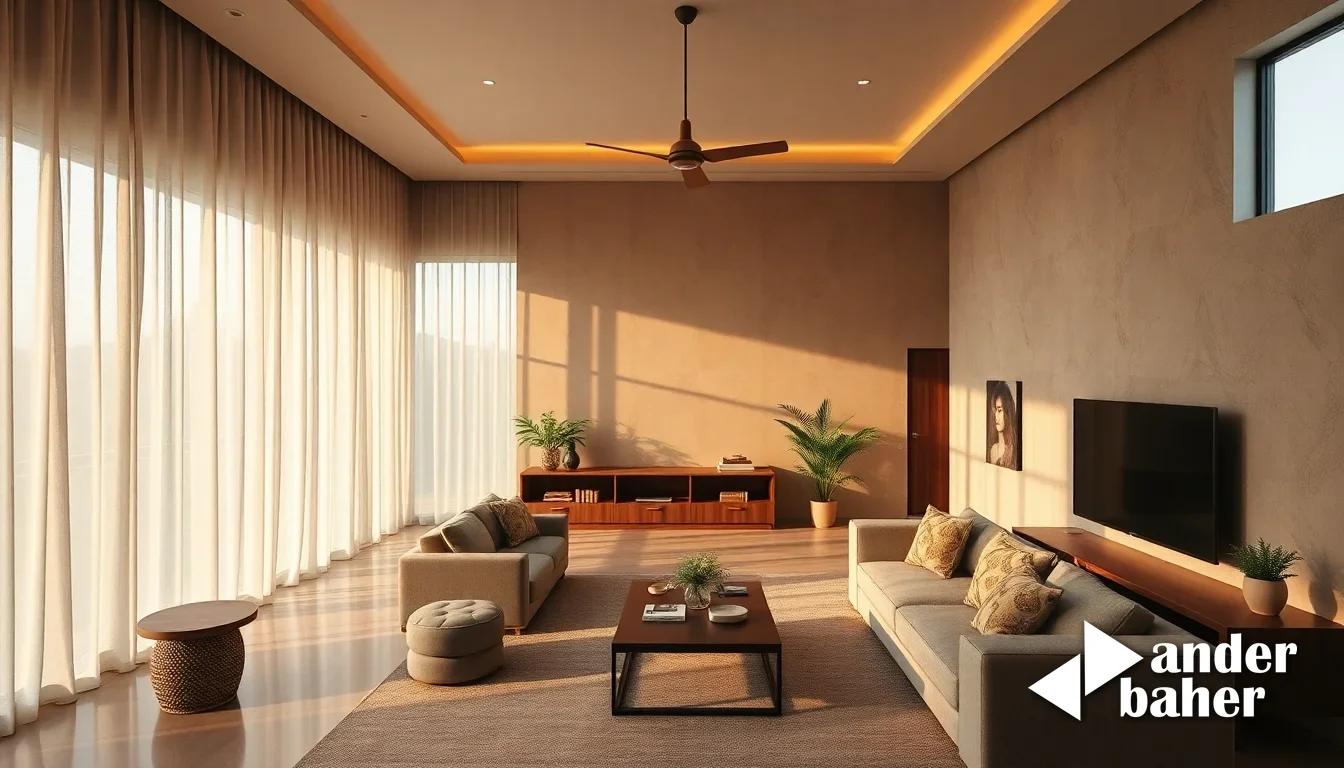
In a world that is constantly evolving, it's only natural that our surroundings should follow suit. The 21st century has witnessed a remarkable transformation in interior design, driven by technology and shifting lifestyles. As we delve into the intricacies of this fascinating journey, we uncover a story of innovation, sustainability, and the ever-present human touch.
A Fusion of Styles
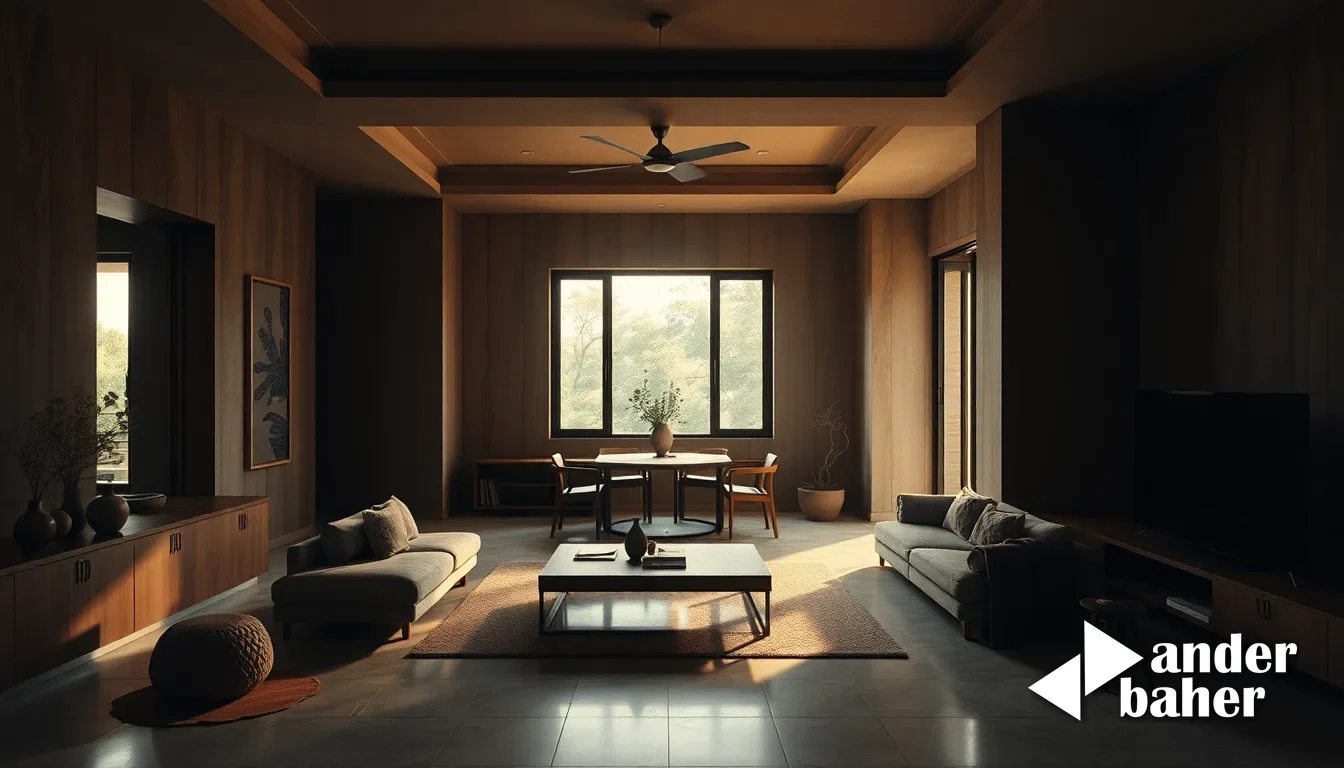
The 21st century has seen a harmonious fusion of styles from different eras and cultures. Interior designers are no longer constrained by rigid definitions; instead, they embrace eclecticism. Mid-century modern seamlessly blends with minimalist Scandinavian aesthetics, and industrial elements coexist with traditional elegance. This fusion creates unique, personalized spaces that reflect the diverse tastes and backgrounds of the people who inhabit them.
The Rise of Sustainable Design
As environmental consciousness grows, so does the demand for sustainable interior design. The 21st century has brought an awakening to the importance of responsible, eco-friendly design choices. Designers are now more inclined to use recycled materials, energy-efficient appliances, and sustainable building practices. This not only reduces the carbon footprint of our living spaces but also enhances the overall quality of life.
Technological Integration
One of the most significant drivers of change in interior design has been the integration of technology. Smart homes have become a norm, offering unprecedented convenience and control. From lighting and climate control to security and entertainment systems, technology has made our living spaces more functional and efficient. Designers are now challenged to seamlessly incorporate these tech elements into their projects, ensuring a balance between aesthetics and functionality.
Open Concept Living
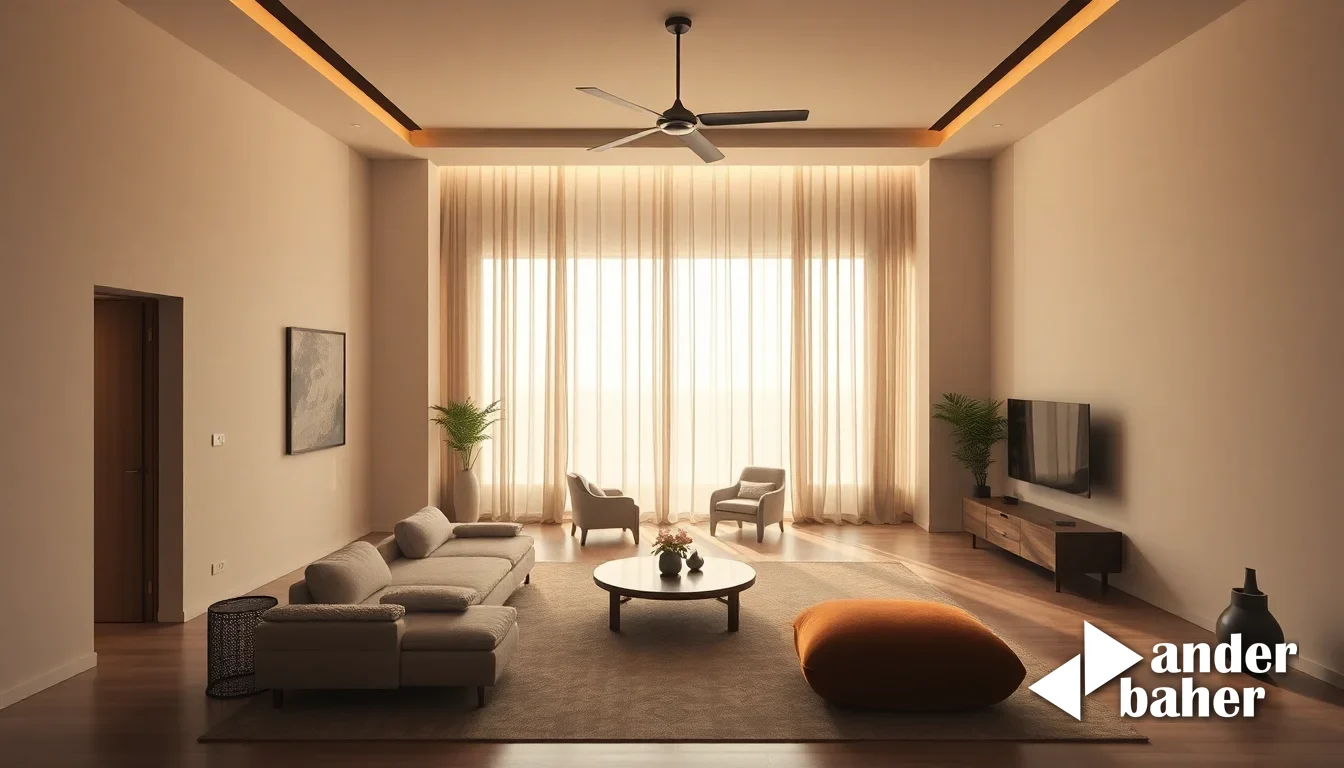
The 21st century has witnessed a shift towards open-concept living spaces. Walls have come down, and boundaries have blurred, creating multifunctional areas that encourage social interaction. This design trend reflects our modern lifestyle, where work and leisure often intermingle. Open spaces not only foster a sense of togetherness but also allow natural light to flood the interiors, making rooms feel larger and airier.
Emphasis on Individuality
The 21st century has seen a move away from cookie-cutter designs. Today, interior designers prioritize individuality, tailoring each space to the unique needs and preferences of the client. This personal touch ensures that a home becomes a true reflection of its inhabitants, making it a space where memories are made and cherished.
Sustainability and Conscious Consumption
The global interior design industry is also increasingly conscious of the impact of its practices on the environment. A growing number of designers are embracing sustainable, locally sourced materials, as well as energy-efficient and eco-friendly solutions. This not only reduces waste but also promotes responsible consumer choices. As we move further into the 21st century, the design world is committed to creating beautiful spaces that respect our planet.
Cultural Diversity and Globalization
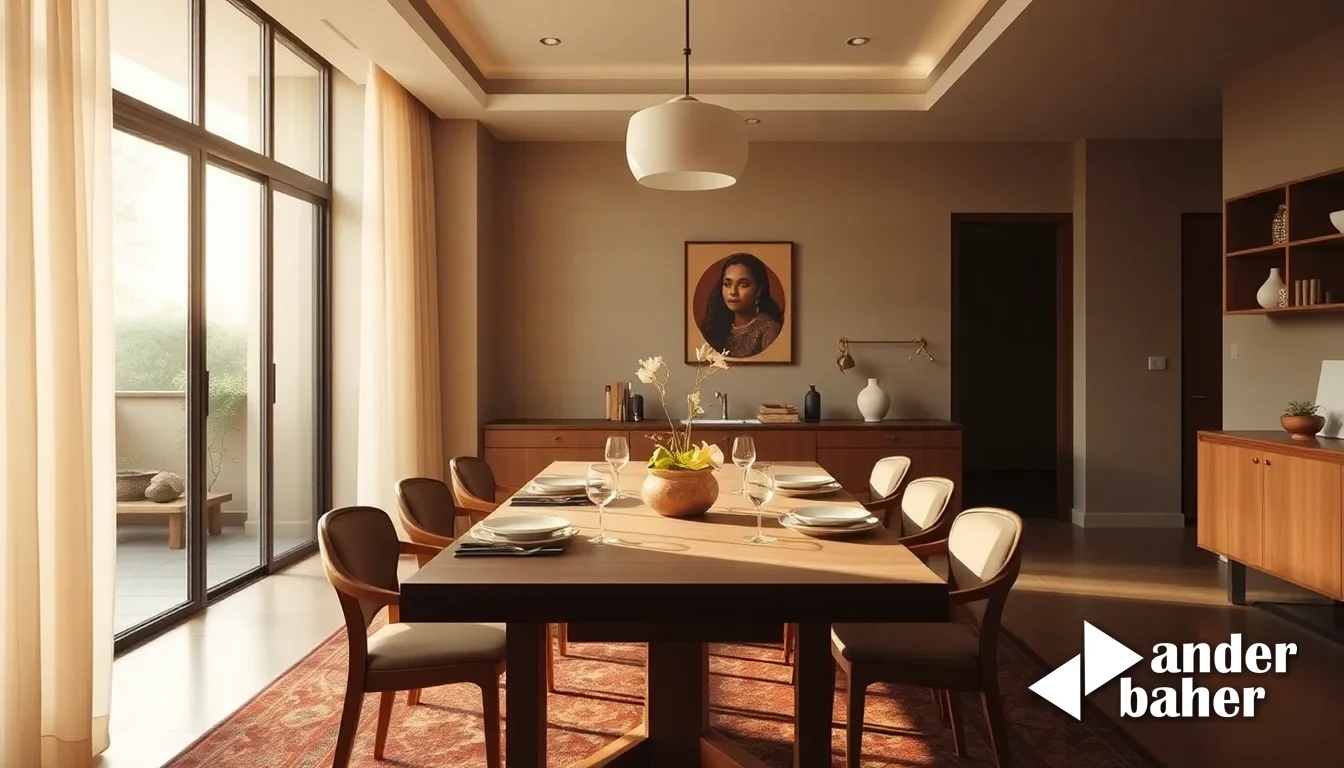
In a world where cultural diversity and globalization are more pronounced than ever, interior design has become a platform for celebrating and integrating various cultural influences. Homeowners are keen on incorporating elements from different parts of the world, resulting in spaces that are rich in history and storytelling. This cultural diversity in design fosters an appreciation for global perspectives and a sense of connection with people from all walks of life.
In conclusion, the evolution of interior design in the 21st century has been a dynamic journey of innovation and adaptability. It has witnessed the fusion of styles, a heightened focus on sustainability, seamless technological integration, open and flexible living spaces, and an emphasis on individuality. As we continue to embrace the changing world around us, interior design will remain at the forefront of shaping our living environments to meet the needs and aspirations of the modern age. The 21st century has redefined interior design as an art form that mirrors the soul of the occupants, respecting the past while embracing the future.
Facebook Twitter LinkedInStill need help?
Get in touch with us
Frequently asked
How can I incorporate sustainable design into my home without compromising on aesthetics?
Modern sustainable design uses recycled materials, energy-efficient systems, and locally sourced elements that are inherently beautiful—the two are no longer at odds. A thoughtful designer will ensure eco-conscious choices enhance rather than diminish the visual integrity of your space.
What is open-concept living, and does it work for all homes?
Open-concept removes unnecessary walls to create flowing, multifunctional areas that invite natural light and social connection. While it suits many modern lifestyles, its success depends on your specific needs, spatial proportions, and how you actually live—a conversation worth having with your designer.
How do I balance smart home technology with interior design?
The best contemporary interiors treat technology as an invisible layer—integrated lighting, climate, and security systems should enhance functionality without dominating the visual narrative. Restraint and seamless integration are what distinguish thoughtful design from mere gadgetry.
Ready to transform your space — inside or out?
Tell us a little about your home or office. We'll get back within one working day.
Book a consultation