
Magazine › Interiors
Dussehra at Home: Reclaiming Space as a Victory Over the Mundane
Transform your home this Dussehra with intentional interiors that honour the festival's deeper meaning—victory, renewal, and the reclamation of domestic space.
By the Ander Baher Editorial Desk · 20 October 2026
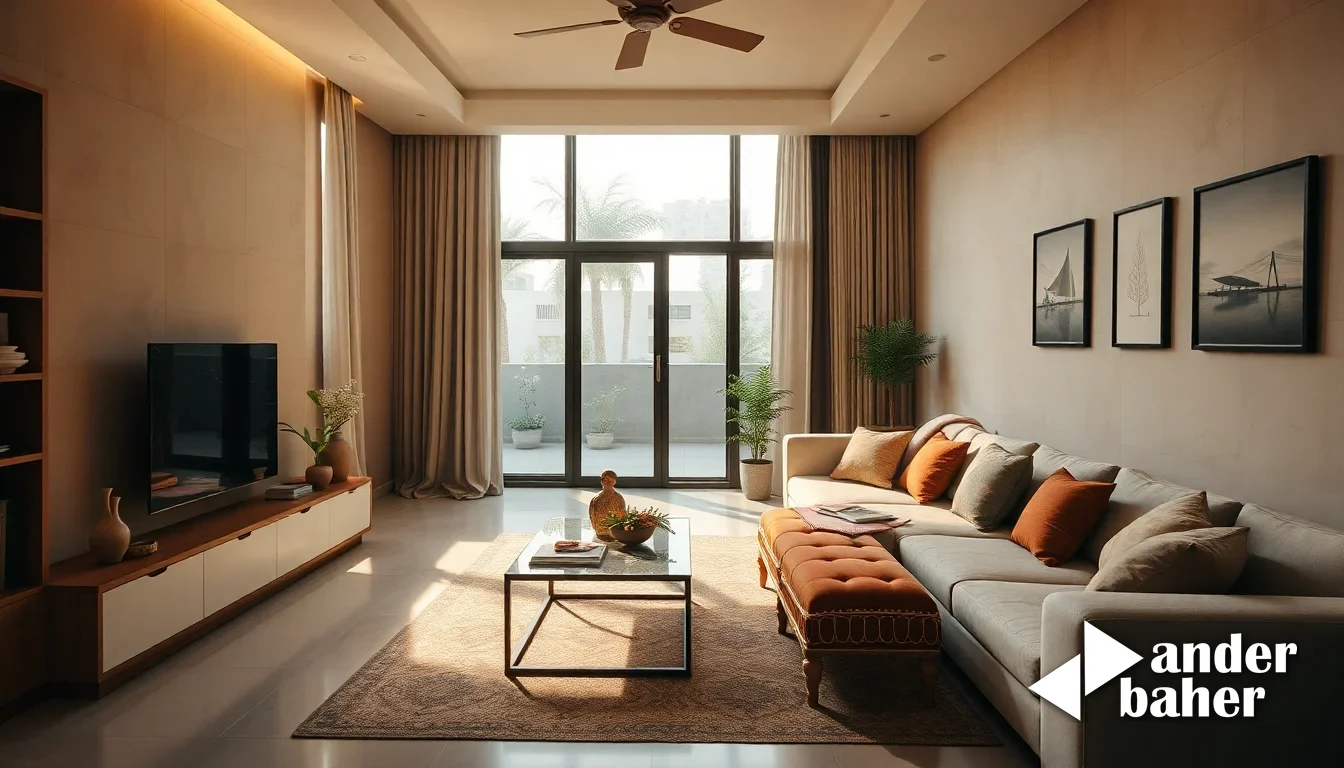
Dussehra arrives not as decoration but as permission—permission to reclaim your home as a space of intention. The festival's mythology speaks of victory: Rama over Ravana, light over shadow. But in the grammar of a contemporary home, this victory is quieter. It is the deliberate ordering of a room. The choice to make a threshold sacred. The decision that how you live, and where you live it, matters.
For homeowners newly moved into a high-rise in Whitefield or a premium development off Sarjapur Road, Dussehra offers a natural waypoint. The builder-vanilla walls and scattered vendor quotes suddenly have shape. The festival becomes a lens through which to see your home not as an accumulation of furniture, but as a stage for how you wish to inhabit it.
The Altar as Anchor: Reclaiming a Corner
An altar—or prayer corner—is not nostalgia. It is functional domesticity. In a 3-bedroom in Domlur or a newly handed-over tower near Hennur, the altar becomes the room's north star. It asks: what is the most important corner of this space? What deserves light, air, and attention first?
Choose a wall that catches morning or late afternoon sun. Avoid the television-adjacent chaos. The best altars live in threshold spaces—a corner where the living room breathes into a corridor, or where the balcony light filters through. Install a shallow floating shelf in timber or plaster, at eye level when seated. The depth need not exceed 30 centimetres. Behind it, a simple jali screen—carved wood or plaster-cast—filters harsh light and creates visual texture without fuss.
Layer the altar with intention: a brass or copper vessel for water, small diyas (oil lamps, not electric), fresh marigolds in a narrow brass vase, and a single printed or painted image. The principle is restraint. One well-lit corner outweighs a room full of decoration. This is not about piety alone; it is about creating a visual hierarchy in your home that says: here is what we attend to.
Seasonal Light: How to Frame Dussehra in Your Home
October light in Bengaluru and Mumbai is directional and clean. It arrives as an ally. If you are planning interiors for a newly-completed apartment, consider how Dussehra light will live in that space. Does your east-facing balcony catch the 6 a.m. sun? Hang a sheer cotton or linen textile—unbleached, off-white—so the light becomes amber. This is not a permanent installation; it is a seasonal gesture, easily rolled up once the festival passes.
For homes in monsoon-heavy areas like Bandra East or Lower Parel, where balconies often retain damp or algal stains, Dussehra is the moment to repair your threshold. A clean, dry balcony with fresh white or terracotta paint becomes a gathering place for evening light and prayer. The gesture is both practical and symbolic: you have reclaimed this edge of your home.
In interiors-and-landscape studios like Ander Baher, the boundary between inside and out collapses during festivals. A balcony becomes part of the altar; a courtyard becomes a stage. If you have outdoor space, even a small one, mark it this Dussehra with a simple arrangement: potted marigolds, a low table with diyas, a clean sweep of stone or terracotta floor.
Textiles as Conversation: The Seasonal Refresh
Do not underestimate the power of fabric. A handwoven cotton dhurrie in natural indigo or rust tones, laid in front of your altar or prayer corner, transforms the geometry of that space. It says: this corner is alive; it is attended to. A single piece of hand-block-printed cotton hung as a banner—even 2 metres by 1 metre—becomes a focal point, especially if printed with traditional motifs: tulips, elephants, or geometric patterns that nod to Mughal or regional Indian print traditions.
These textiles do not need to stay year-round. This is the beauty of seasonal design. After Dussehra, they fold away into a cedar-lined cupboard, emerging again next October. For homes in newly-handed-over towers in Electronic City or J.P. Nagar, this approach respects the builder's finishes while imposing your own visual rhythm. You are not renovating; you are dialoguing with the space through textiles and light.
The Ritual of Renewal: Small Gestures, Large Effects
Dussehra's deeper invitation is renewal. In practical terms, this means: deep-clean one room. Not the frantic spring-clean, but the intentional one. Move the furniture and sweep behind it. Wipe the skirting boards. Polish the mirrors. If your home has wooden floors or natural stone, this is the moment to restore their shine. A space that is truly clean becomes a different room—the proportions seem different, the light moves differently, the air feels different.
If renovation is in your future, Dussehra is an intelligent moment to audit what needs to change. Does your modular kitchen feel disconnected from the living space? Are your balcony drains—especially critical in Mumbai homes prone to monsoon seepage—functioning properly? Does the colour palette feel accidental rather than chosen? Bring intention to these questions. A consultation with a designer or architect need not follow immediately, but the awareness does. Our AI design tool can help you conceptualise small shifts in under a minute.
Colour Without Chaos: The Dussehra Palette
October's festival colours—marigold, rust, deep red, burgundy, cream, and bronze—are also the colours of the season itself. They are not arbitrary. They align with how the light actually falls in Indian homes during this month. If you are living with off-white or grey builder-standard walls, resist the urge to paint the entire room. Instead, paint a single accent wall—ideally the wall behind your altar or prayer corner—in a warm terracotta or a deep, muted ochre. Pair it with brass or copper lighting fixtures. Keep the rest of the walls neutral.
Furniture can carry colour more subtly. A rust-toned cushion on a white sofa. A deep red throw folded over the back of a chair. A patterned rug in warm tones anchoring the living area. These moves are reversible and layered, which is precisely how festival design should work in a contemporary home—temporary but deliberate.
For residents of premium developments like Casa Grand Estancia in Kogilu or Hiranandani Gardens in Powai, where interiors often arrive neutral by design, Dussehra is your invitation to colour the space with intention. Make it personal. Let the festival ask: how do I wish to live here?
Dussehra, then, is not a moment to decorate your home. It is a moment to design it—to step back and ask what victory over the mundane might look like in your own rooms. It might be a single bright corner. It might be the reclamation of a balcony from dampness and neglect. It might be the simple act of sitting in the light you have chosen and saying: yes, this is where I live. Bring this intentionality to your space. Explore how thoughtful interiors can transform a threshold, or speak with our studio about renewing your home this season.
Frequently asked
How do I create a prayer corner or altar in a small apartment in Bengaluru?
Install a shallow floating shelf (30 cm deep) at eye level in a corner with natural light—ideally east-facing or catching afternoon sun. Back it with a simple jali screen for texture, and layer with a single brass vessel, small oil diyas, fresh flowers, and one image. Restraint creates impact.
What colours work best for Dussehra home decor in modern interiors?
Align with October's natural light: warm terracottas, rust tones, deep ochre, marigold, cream, and bronze. Rather than painting entire walls, use one accent wall behind your altar, then carry colour through textiles and accessories—cushions, throws, rugs—which are easily reversible.
Should I hire a designer for seasonal festival decorations?
Not necessarily for simple gestures—a textile, fresh flowers, and careful cleaning can transform a space. But if you are renovating or redesigning after a festival, or wish to integrate permanent seasonal flexibility into your home's design, a consultation ensures your interiors and outdoor spaces work together intentionally.
How can I refresh a damp or stained balcony in time for Dussehra in Mumbai?
Clean thoroughly with a pressure washer, allow to dry fully, then repaint with weatherproofing exterior paint in white or terracotta. If seepage is chronic, consult a specialist about membrane waterproofing—your balcony then becomes a genuine outdoor living threshold, not a neglected edge.
Ready to transform your space — inside or out?
Tell us a little about your home or office. We'll get back within one working day.
Book a consultation