
Magazine › Interiors
After the EOI: The Interior Design Roadmap for Your New Home
EOI signed—now what? A thoughtful guide to bridging the gap between commitment and possession, so your interiors are ready when you move in.
By the Ander Baher Editorial Desk · 20 October 2026
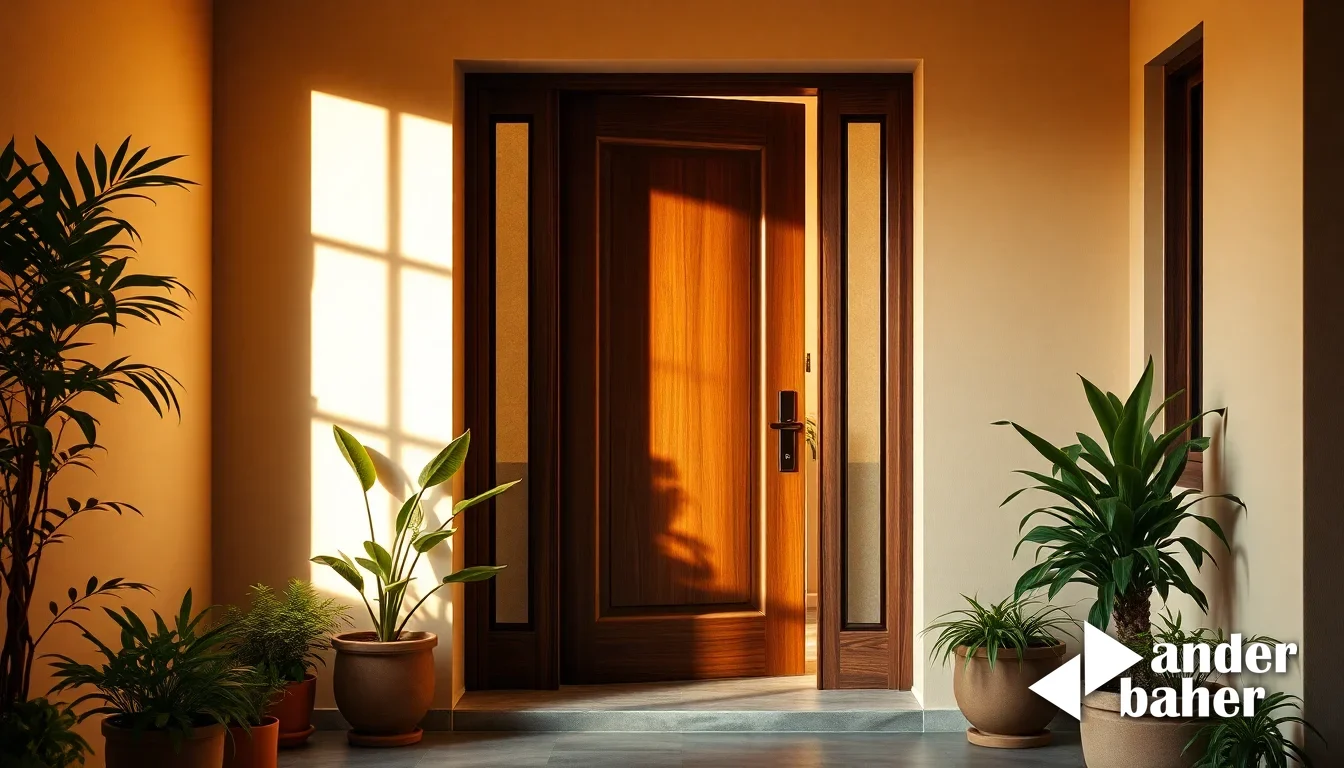
The Expression of Interest is signed. The developer has confirmed your unit number. You've already begun to imagine the life you'll live there—the morning light, the dinner table, where your books will rest. But between this moment and possession day, there lies a peculiar threshold: months of waiting, planning, and decision-making that will determine whether your new home feels rushed and half-formed, or arrives fully realised.
Most homeowners face this interval without a clear roadmap. The builder's schedule is on the wall, but no one has mapped the interior design journey that must happen in parallel. The result? Possession day arrives. The keys are in hand. And then comes the frenzy—hurried vendor selection, mismatched aesthetics, budget overruns, and months of construction chaos that overlaps with your moving boxes.
It doesn't have to be this way. The months after EOI are, in fact, your most valuable asset: time to think clearly, gather inspiration, build vendor relationships, and lock in your design intent before possession resets the clock.
Why the Post-EOI Window Matters
Consider the owner of a newly-completed tower off Sarjapur Road or one awaiting possession in a freshly-handed-over Powai high-rise. They inherit a blank canvas—typically builder-grade finishes, neutral paint, bare concrete or vinyl flooring, and uncoordinated fixtures. The instinct is often to wait until possession, then make decisions under pressure.
But the post-EOI months are when your mind is still fresh, when you can move unhurried through mood boards, material libraries, and vendor studios. You can visit completed projects in similar locality-and-building-typology without the mental fog of possession stress. You can align your aesthetic vision—whether that's minimalist concrete and natural timber in a Whitefield apartment, or layered, monsoon-resilient finishes in a Bandra East home—before a single wall is measured.
More importantly, you can sequence your interior delivery so it doesn't collide with moving day. Flooring, wall finishes, lighting, joinery—these take time. If you wait until keys arrive, you're living in dust for months.
Step One: Define Your Interior Brief Before Possession
The first task is not to contact contractors. It's to articulate your design intent on paper.
Spend two to four weeks gathering reference images—Instagram, design books, showrooms, friends' homes. Identify recurring patterns: Do you gravitate toward natural materials, or sleek minimalism? Warm, layered textiles or clean, cool palettes? Open-plan living or defined thresholds? High daylight, soft ambient warmth, or a mix?
Write a simple brief: 2–3 pages that describe your lifestyle, your colour and material preferences, the mood of each room, and any non-negotiables (a home office, a reading nook, a kitchen that doubles as dining theatre). Include your climate considerations—in Mumbai's monsoon season, this means waterproof-by-design balconies; in Bengaluru's harsh summer, it might mean integrated shading and cross-ventilation planning. A studio like Ander Baher, which integrates interior architecture and landscape design, can help you think through these thresholds holistically—especially for a home that opens onto outdoor space.
This brief is not a contract. It's permission to think deliberately.
How Do You Choose an Interior Designer or Architect Before Possession?
Engage a design partner early—ideally within 2–3 months of EOI. The right designer or architect becomes your thinking partner, not a vendor you hire on possession day.
Look for someone with demonstrated work in your locality and building type. A studio that has delivered homes in a similar Hennur or Electronic City high-rise, or understands Mumbai's monsoon complexities in Bandra West or Worli, will ask smarter questions about structure, utilities, and seasonal behaviour than a generic vendor list. They'll also have real relationships with reliable contractors, material suppliers, and craftspeople—saved months of vetting.
In initial consultations, observe how they listen. Do they ask about your daily rhythms, not just paint colours? Do they reference the building's orientation, ventilation patterns, and microclimate? Do they think about water, drainage, and seasonal weather as integral to design—or as afterthoughts? The best practices don't separate interior architecture from landscape and outdoor thresholds; they see the home as a continuous interior-exterior ecology.
Once engaged, your designer should conduct a brief site visit (if the building is accessible pre-possession) to understand the unit's orientation, natural light, structural quirks, and utility locations. This informs every subsequent decision.
Sourcing Materials and Building Your Palette: A Pre-Possession Timeline
With a designer in place, begin the material journey. This is where the post-EOI months reveal their true value.
Visit showrooms, tile studios, and timber suppliers—unhurried, with reference images in hand. Touch materials. See how light moves across them at different times of day. Request large samples for your home (not just a 4x4 cm chip). Live with them for a week. You'll notice things that photos hide: how a natural stone shifts in colour between dawn and evening, how a linen fabric catches dust, how a wood finish feels beneath bare feet.
For owners in newly-handed-over towers across Bengaluru or Mumbai, this also means timing your purchases strategically. If your possession date is six months away and you source a custom upholstered sofa or a bespoke kitchen now, it will arrive near or at possession—ready to place, not ordered in desperation. Conversely, fast-moving items (paint, some tiles, basic hardware) can wait closer to possession to avoid damage or obsolescence in storage.
Collaborate with your designer to create a materials board—a physical or digital reference that locks in your colour palette, texture language, and finishing aesthetic. This becomes your decision-making compass when choices pile up.
Planning Layouts and Functional Sequences
Once you've grasped the design direction, work with your architect or designer on spatial planning.
In a newly-completed apartment, you may have the freedom to reconfigure a kitchen, relocate a study corner, or reconsider an entryway. These decisions are far easier (and cheaper) to make on a floor plan than mid-construction. Think through traffic flows, sight lines from your main living zone, natural light patterns across the day, and seasonal sun angles—especially in Bengaluru's intense April–May heat or Mumbai's June–September monsoon.
If your home opens onto a balcony or terrace, now is the time to think integrated. Rather than designing the interior in isolation and then tacking on a balcony later, conceive of the threshold as a unified space. What mood does that boundary create? Is it a green buffer, a contemplative void, a social extension of your living room? This integrated thinking—where interiors and landscape design inform one another—transforms a leftover space into a coherent part of your home.
Document all decisions on a master plan, approved by both you and your designer. This becomes your reference when builders and contractors ask questions.
Vetting and Locking Vendor Relationships
In the post-EOI months, begin vetting the craftspeople and contractors who will execute your design. Visit their workshops. See completed projects. Ask for references, and actually call them. Understand their lead times, communication style, and problem-solving approach.
Many premium interiors studios maintain a curated network of reliable vendors—carpenters, masons, painters, electricians, flooring specialists—who understand quality benchmarks and can be trusted without constant supervision. Tapping into this network (rather than piecing together a new team at possession) de-risks your entire project.
As possession approaches, formal contracts should be signed with your main contractor and key specialists. These documents should clearly define scope, timelines, payment schedules, and quality standards. A two-month lead time before possession allows contingency if initial coordination falters.
Creating a Possession-Ready Project Brief
By month four or five after EOI, your designer should compile a comprehensive project document: floor plans with marked-up zones, a materials specification sheet with samples, electrical and plumbing layouts, a phased construction schedule, a vendor contact list, and a budget breakdown. This becomes your shared reference on possession day—clarity when everything else feels chaotic.
This brief is particularly valuable for owners of newly-handed-over towers, where builder handover and interior construction often overlap. A clear sequence—flooring and wall prep first, then joinery and fixtures, then soft finishes and styling—keeps teams coordinated and prevents rework.
A Threshold in Time
The months between EOI and possession are not a waiting period. They're a rare gift—time to think clearly about the life you want to live in your new home, to gather materials and craft carefully, to build relationships with people who will realise your vision. When possession day arrives, you won't be starting from scratch. You'll be moving into a home whose interior language is already coherent, whose sequences are considered, and whose spaces reflect genuine intent rather than panic.
Bring this same thoughtfulness to your outdoor thresholds. Explore our delivered spaces to see how integrated interior and landscape planning unfolds across different homes and climates. Or generate initial design concepts for your home in minutes with our AI tools, grounded in your locality and your vision.
Frequently asked
How much time after EOI should I engage an interior designer for my new Bengaluru or Mumbai apartment?
Ideally within 2–3 months of EOI signing. This allows 3–4 months for material sourcing, layout planning, and vendor vetting before possession—enough time to avoid rushed decisions without materials sitting idle before handover.
What should my interior design brief include before possession day?
Your brief should articulate lifestyle preferences, colour and material palette, room-by-room mood and function, climate considerations (monsoon resilience, summer shading), and non-negotiables like dedicated office or outdoor space. It guides all subsequent design decisions and vendor communication.
How do I plan a kitchen or bathroom layout for a new high-rise apartment before possession?
Work with your designer to review the unit's floor plan and utility locations (water, drainage, electrics). Map traffic flow, appliance placement, and fixture positions on paper, then validate against the actual unit on or just before possession. This prevents costly mid-construction changes.
Should I source materials like tiles, paint, and flooring before or after possession?
Source long-lead items (custom joinery, upholstered pieces, bespoke tiles) in the EOI-to-possession window so they arrive ready to install. Hold fast-moving items (paint, basic hardware, some finishes) until 4–6 weeks before possession to avoid damage or colour obsolescence in storage.
Ready to transform your space — inside or out?
Tell us a little about your home or office. We'll get back within one working day.
Book a consultation