
Magazine › Interiors
Digital Architecture in India: Transforming Tradition with Technology
Explore the digital revolution in Indian architectural design over the past two decades. From 3D modeling to sustainable practices and the rise of smart cities, discover how technology has reshaped the landscape. Dive into the fusion of tradition and innovation and the preservation of cultural herit
By the Ander Baher Editorial Desk · 2 November 2023
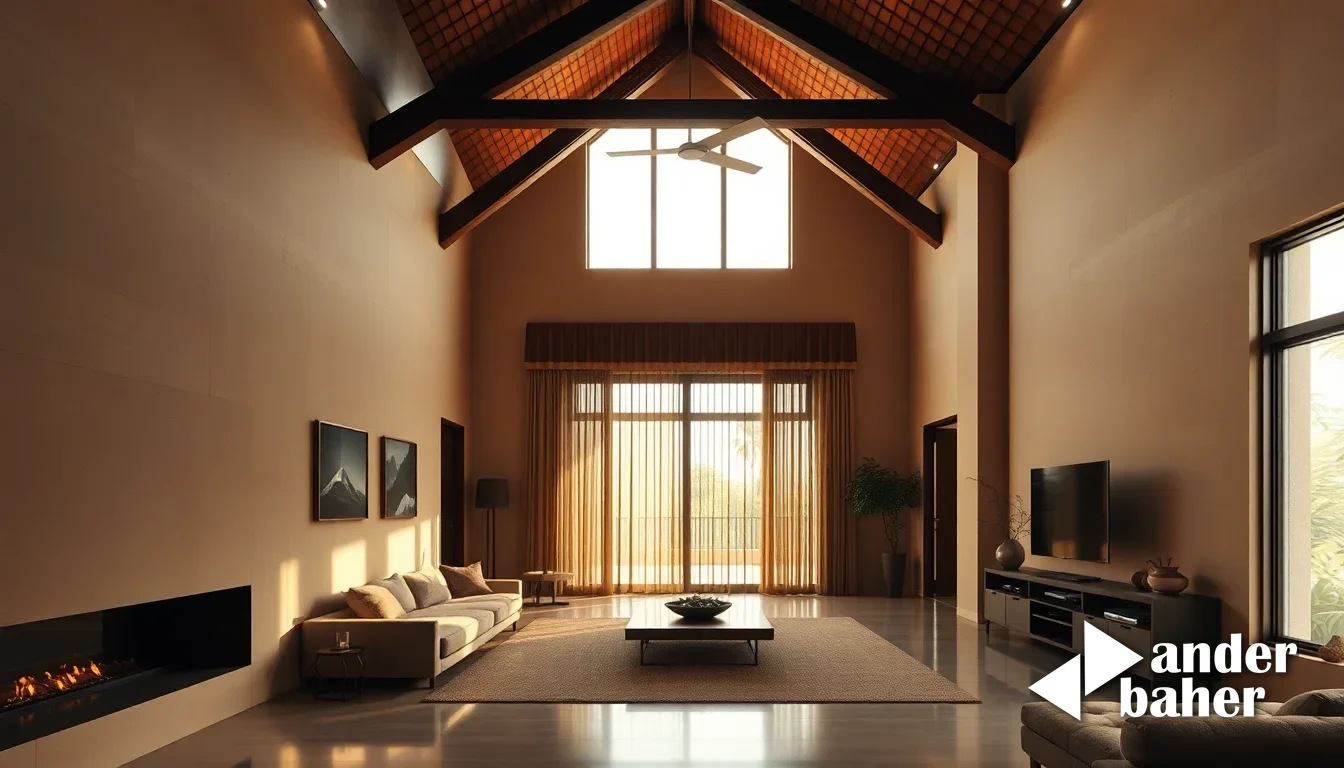
In the heart of the digital revolution, the world has witnessed remarkable changes across various industries. Architecture, an art form deeply rooted in tradition, has not remained untouched by this sweeping transformation. In India, a country rich in culture and architectural heritage, the impact of the digital age on architectural design has been nothing short of phenomenal. In this blog, we will delve into the remarkable journey of Indian architectural design over the past two decades and explore how technology has redefined and revolutionized the landscape.
A Fusion of Tradition and Innovation
India, with its millennia-old architectural legacy, has always struck a fine balance between tradition and innovation. For centuries, architects and designers have drawn inspiration from the architectural marvels of ancient temples, palaces, and forts. However, as the country embraced the digital age, architects found new ways to fuse this tradition with the marvels of modern technology.
- 3D Modeling and Visualization
The advent of 3D modeling and visualization tools has been a game-changer in Indian architectural design. These digital tools allow architects to create intricate and realistic 3D representations of their designs, making it easier to communicate ideas to clients and builders. This technology has not only expedited the design process but has also made it more accessible to a wider audience. From residential homes to large-scale commercial projects, 3D modeling has become a cornerstone of modern Indian architectural design.
- Sustainable Design and Green Technology
As environmental consciousness grows, Indian architects have increasingly turned to digital tools to develop sustainable and eco-friendly designs. The integration of green technology and sustainable practices is now a common feature in many Indian architectural projects. Digital simulations and analyses help architects optimize energy usage, reduce waste, and create buildings that harmonize with the environment.
- Smart Cities and IoT
The concept of smart cities has gained traction in India, aiming to enhance the quality of life for its urban population. The Internet of Things (IoT) and digital infrastructure play a vital role in these endeavors. Architects now have the opportunity to design cities that are not only aesthetically pleasing but also highly functional, with digital connectivity ensuring efficiency in transportation, energy management, and public services.
- Parametric Design and Computational Tools
Parametric design, driven by computational tools, has introduced a new dimension to architectural aesthetics. It allows architects to create complex, fluid, and innovative forms that would have been nearly impossible to achieve without digital assistance. This design approach has led to a wave of contemporary structures that challenge conventional architectural norms and push the boundaries of creativity.
Preserving Cultural Heritage
India's architectural history is a tapestry of diverse styles and traditions. In the digital age, architects have been presented with a unique opportunity to preserve and restore cultural heritage. Digitization and 3D scanning have been instrumental in the documentation and conservation of ancient monuments and heritage sites. With this technology, architects and preservationists can accurately recreate and protect these treasures for future generations.
The transformation of Indian architectural design in the digital age is a testament to the resilience and adaptability of this ancient art. As architects and designers continue to embrace new technologies, they are shaping a future that is both innovative and deeply rooted in the country's rich architectural heritage. The fusion of tradition and innovation, sustainable design, smart cities, parametric design, and cultural preservation are just a few examples of how technology has redefined the landscape of Indian architectural design.
In the coming years, we can expect even more groundbreaking developments as the digital age continues to inspire architects to push the boundaries of creativity and sustainability. India's architectural future is bright, promising a harmonious coexistence of tradition and innovation, all under the embrace of cutting-edge digital technology.
Facebook Twitter LinkedInStill need help?
Get in touch with us
Frequently asked
How is digital technology reshaping architectural heritage conservation in India?
3D scanning and digitization enable precise documentation and virtual reconstruction of ancient monuments, allowing architects to preserve cultural treasures while creating adaptive interventions that honour tradition without compromising modern functionality.
What role does parametric design play in contemporary Indian architecture?
Parametric design uses computational tools to generate complex, fluid forms that would be structurally unfeasible without digital assistance—allowing architects to reconcile aesthetic innovation with the environmental and functional demands of premium residential and commercial spaces.
How are Indian architects integrating sustainability into digital design workflows?
Digital simulations and energy-optimization analyses allow designers to model building performance before construction, reducing waste and ensuring optimal climate control—a necessity for high-performance homes in climates ranging from Bengaluru's temperate zones to Mumbai's coastal demands.
Ready to transform your space — inside or out?
Tell us a little about your home or office. We'll get back within one working day.
Book a consultation