
Magazine › Interiors
The Desk as Sanctuary: Reclaiming Workspace in Indian Homes
As work seeps into our living rooms, the desk becomes less utility and more refuge—a designed space that anchors both purpose and peace.
By the Ander Baher Editorial Desk · 4 October 2026
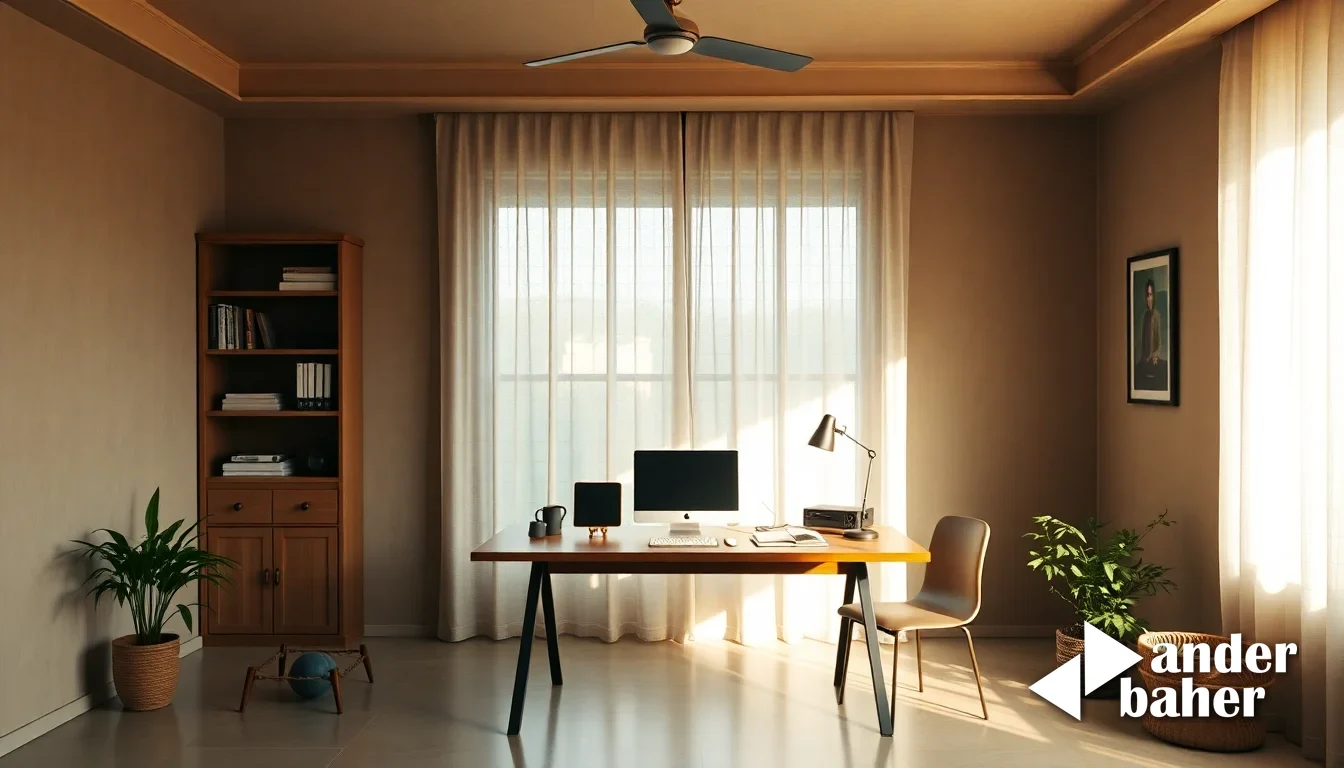
The desk has returned from exile. For years, it lingered in cramped corners of Indian homes—a folding table in the bedroom, a narrow surface wedged between the sofa and window. But something shifted. The desk is no longer apologetic. It now asks to be seen, to be inhabited with intention, to become the room's quiet protagonist.
This isn't about productivity hacks or ergonomic posture. It's about what happens when a workspace stops being functional and starts being designed. When the objects around your desk—the lamp, the pen holder, the chair—are chosen not just because they work, but because they belong.
The Indian Home's Spatial Negotiation
In a Mumbai apartment or Bangalore villa, the desk occupies contested territory. It shares walls with the bedroom's intimacy, the living room's gathering energy, the kitchen's domestic rhythm. Unlike dedicated home offices in larger Western homes, the Indian desk often exists in plural space—visible, exposed, a declaration of work within spaces traditionally reserved for rest.
This constraint is actually a gift. When your desk must live among other functions, its design becomes more deliberate. The wood grain matters. The height of the backsplash matters. How light falls across the work surface matters, because it's visible at breakfast and at dusk.
Materials That Breathe
The best workspace essentials in Indian homes aren't trend-chasing. They're sensory. A desk in teak or reclaimed wood absorbs the season—lighter in summer mornings, warmer during monsoon afternoons. Brass and copper accessories develop patina, recording use rather than resisting it. Paper, leather, and natural fiber storage boxes age beautifully, becoming more textured with time.
There's a reason minimal, sterile workspaces fail in Indian homes. Our design language has always preferred layering, texture, objects that accumulate meaning. A desk surrounded by carefully chosen books, plants, and ceramics doesn't distract from work—it anchors it.
The Ritual of Arrival
What's emerging is a recognition that the desk is where you arrive each morning. Not metaphorically—physically. You pull out your chair. You arrange your papers. You pour tea. These small gestures, made possible by a thoughtfully designed workspace, transform work from something that happens at your desk to something that unfolds within a space you've claimed.
The desk doesn't need to be large. In a city apartment, it might be modest—a floating shelf above a narrow console, a repurposed dining table that serves double duty. What matters is that it's intentional. That the light source is considered. That you've chosen what sits within arm's reach.
As boundaries between home and work continue to blur, the designed desk becomes something closer to a hearth. Not a burden to maintain, but a space that holds the shape of your day—and reflects, quietly, how you choose to spend it.
Sources & further reading
- designboom — designboom shop drop: back to the desk with creative workspace essentials ↗
- ArchDaily — Levanger Creative Building / Incube Architecture + Praksis Arkitekter ↗
- Dezeen — Space Popular creates carpet-covered gallery for Nieuwe Instituut ↗
- designboom — 3D printed concrete sculptures blend classical fragments with sci-fi forms at frieze sculpture ↗
An original Ander Baher perspective, informed by the coverage above.
Frequently asked
How do I design a workspace desk in a small Indian apartment without a dedicated office?
The constraint is an asset: choose a material like teak or reclaimed wood that anchors the space visually, position it where natural light is considered, and surround it with carefully chosen objects—books, plants, ceramics—that transform the desk from functional to intentional. Even a floating shelf above a console or repurposed dining table works when designed with deliberation.
What materials work best for a home desk in India's climate?
Natural materials that age beautifully—teak and reclaimed wood respond to seasonal light shifts, while brass and copper accessories develop patina over time. Pair these with paper, leather, and natural fiber storage that accumulate texture and meaning rather than resisting use.
Should a home desk prioritize productivity or design?
The distinction collapses when a desk is truly designed. What matters is intention: considering light, choosing objects that belong together, and creating a ritual of arrival—small gestures like arranging papers or pouring tea—that transform work into an experience within a claimed space.
Ready to transform your space — inside or out?
Tell us a little about your home or office. We'll get back within one working day.
Book a consultation