
Magazine › Interiors
Designing Homes for India's Wettest Season
As rains arrive, Indian interiors must shift their purpose. Here's how thoughtful design prepares your home—and yourself—for the season ahead.
By the Ander Baher Editorial Desk · 11 August 2026
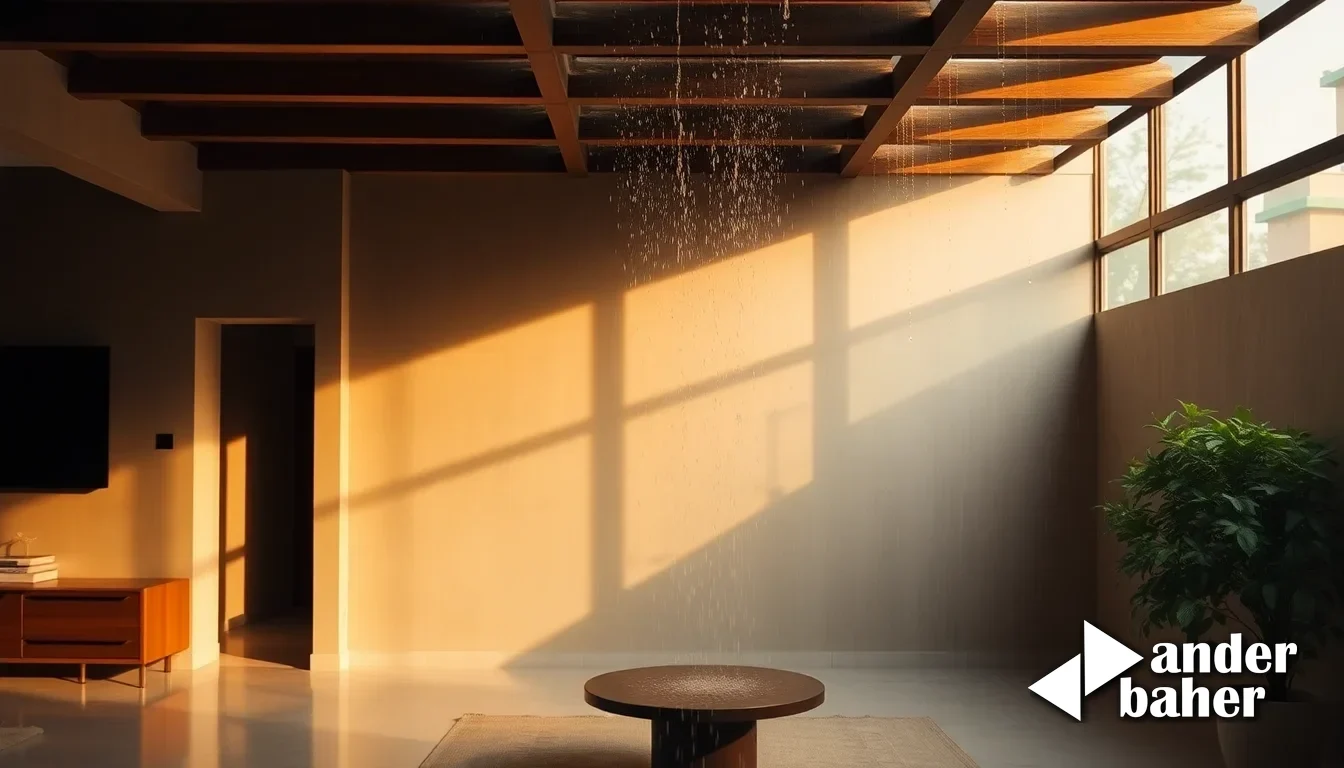
The monsoon doesn't announce itself gently in India. It arrives with intention—a four-month assertion that transforms how your home functions, how it breathes, and what it must protect. For those in Bangalore's upscale neighborhoods or Mumbai's high-rises, the season means rethinking every surface, every corner, every assumption about permanence.
Good design acknowledges this. It doesn't fight the monsoon; it negotiates with it.
The Architecture of Dryness
When moisture becomes the primary threat to your interior, every structural decision matters. Homes built with deep overhangs—a principle that once came naturally to Indian vernacular architecture—keep rain from creeping sideways into walls and windows. Yet many contemporary homes sacrifice these protective ledges for clean lines and uninterrupted glass. The cost becomes apparent in July: seeping walls, blooming mold, the slow decay of plaster and paint.
The solution isn't nostalgic. It's practical. Architects working in Bangalore's neighborhoods increasingly specify recessed balconies and extended soffits, not as decoration but as barriers. Windows sit deeper in walls. Openings are protected. Materials—stone, tile, concrete—are chosen for their ability to shed water rather than absorb it.
Indoors, the monsoon season demands materials that forgive dampness. Sealed wooden furniture warps and splits; instead, teak and rosewood—historically chosen by Indians for precisely this reason—become both practical and culturally resonant. Tile replaces fabric in high-humidity zones. Paint is specified for mildew resistance, not aesthetics alone.
The Seasonal Interior
The best monsoon homes are those that shift with the weather. This means storage—generous, accessible, concealed storage—for the things summer demands but monsoon threatens: textiles, cushions, rugs. It means rethinking which rooms serve which purposes as natural light diminishes and damp air becomes a constant presence.
Ventilation becomes an interior design problem. Cross-ventilation that works brilliantly in dry months can invite dampness if not carefully managed. Louvers, grilles, and screen doors allow air movement while controlling water ingress. In Mumbai homes, wooden jali screens—traditional perforated panels—are being rediscovered not as heritage choices but as climate-control solutions.
Lighting shifts too. As gray light dominates, interiors require warmer, more generous illumination. This isn't about adding more watts; it's about recognizing that monsoon demands a different emotional register from your home.
The Practical Layer
No design, however thoughtful, survives negligence. Gutters must be cleaned. Sealants need reapplication. Damp-proofing courses—the barrier between foundation and wall that stops capillary moisture—require inspection. The most beautifully designed home fails if its fundamentals aren't maintained.
This is where seasonal living becomes a practice. Indians have always understood this: the monsoon isn't an interruption to life at home, but a different chapter of it. Your interior design should make that chapter easier, more comfortable, and even—in the right light, with the sound of rain on tile—deeply satisfying.
Frequently asked
How should I redesign my Bangalore or Mumbai home to handle the monsoon without compromising modern aesthetics?
Focus on protective architecture—deep overhangs, recessed balconies, and windows set deeper in walls—paired with moisture-resistant materials like sealed stone and tile. The goal is negotiating with the season, not fighting it; contemporary design and monsoon resilience aren't mutually exclusive.
Which materials and finishes perform best during India's wet season?
Teak and rosewood withstand dampness where sealed woods fail; tile replaces fabric in high-humidity zones; mildew-resistant paint and stone or concrete surfaces that shed rather than absorb water are essential. These choices honor both practical necessity and cultural precedent.
What role does ventilation play in monsoon interior design?
Controlled cross-ventilation—managed through louvers, grilles, and traditional jali screens—allows air movement while preventing water ingress. This shifts ventilation from a purely mechanical concern to an integrated design element.
Ready to transform your space — inside or out?
Tell us a little about your home or office. We'll get back within one working day.
Book a consultation