
Magazine › Architecture
The Art of Expansion: Making 1,200 Sq Ft Feel Boundless
A 30×40 plot demands architectural intelligence, not square footage. Here's how thoughtful design transforms compact Indian homes into spaces that breathe.
By the Ander Baher Editorial Desk · 24 July 2026
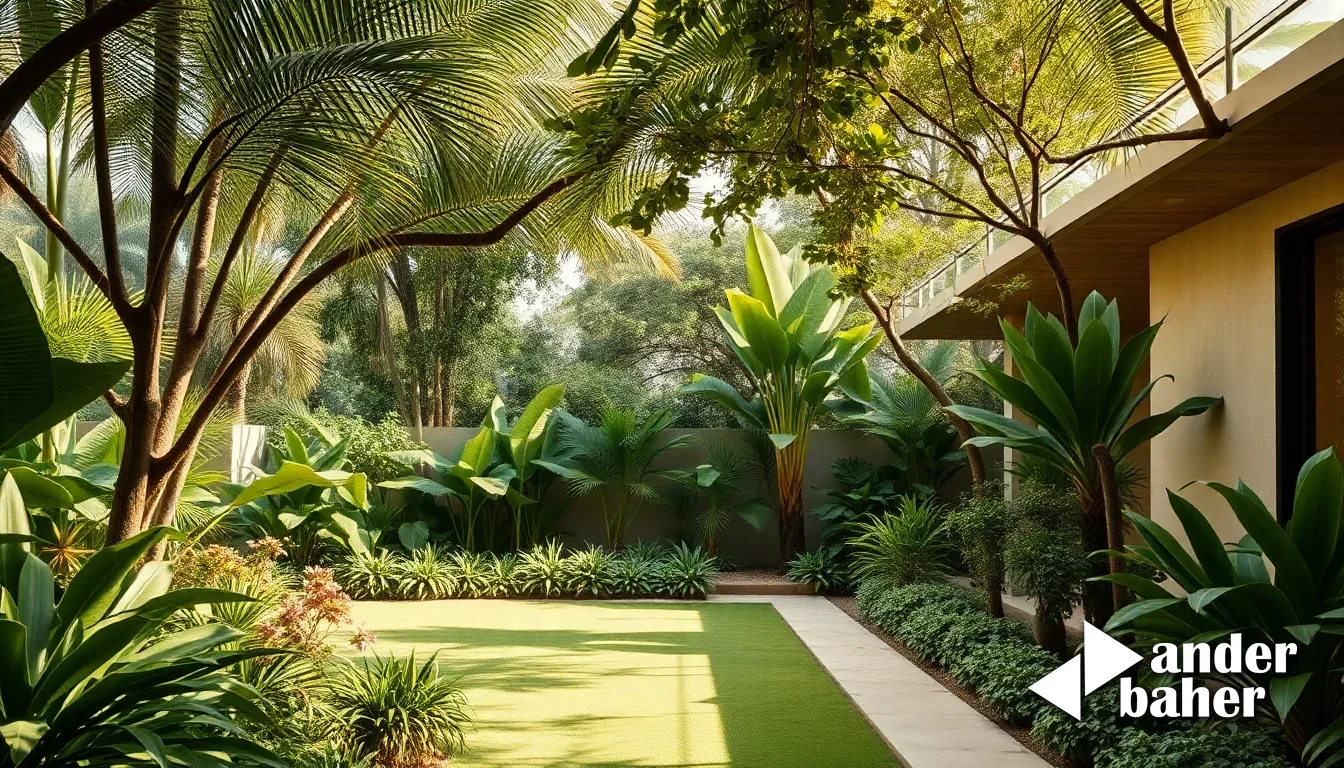
The 30×40 plot—that ubiquitous urban constraint across Bangalore, Mumbai, and Delhi—sits at the intersection of aspiration and limitation. You have 1,200 square feet. You want it to feel like more. The solution isn't sleight of hand. It's architecture that understands the psychology of space.
When architect Anuj Sharma completed a renovation in Bangalore's Indiranagar last year, his clients presented him with that familiar brief: make it feel bigger. Instead of knocking down walls indiscriminately, he orchestrated a choreography of sight lines, materials, and light. The result reads as generous, not cramped.
Sight Lines Over Square Footage
The single most transformative move on a compact plot is architectural transparency. Not through walls of glass—though those help—but through the deliberate removal of visual boundaries within the home.
Consider the relationship between your living room and kitchen. A traditional wall halves your perceived space. An open plan with a low-slung counter (rather than a full-height divider) preserves the psychological expanse of a unified zone while maintaining functional separation. The eye travels further. The mind perceives magnitude.
This works because perception precedes measurement. A 300-square-foot living area that feels connected to a 200-square-foot dining space reads as 500 square feet to the inhabitant. Architecture exploits this truth.
The Vertical Logic
The 30×40 plot's real estate lies upward. A two-storey home (or a clever mezzanine) doesn't just add square footage—it redistributes your life across planes, reducing crowding on any single level.
A Mumbai residence designed by Studio Bandhani demonstrates this elegantly: the ground floor contains living, dining, and a study that doubles as a guest room. The first floor holds two bedrooms with an open corridor connecting them—a device that makes vertical transition feel like movement through a grand home, not cramped ascent up a narrow staircase.
Double-height spaces amplify this effect further. A living room that extends 14 feet upward creates visual drama that no horizontal expansion could match. Pair this with a mezzanine bedroom accessed by a sculptural stair, and suddenly your compact footprint feels architecturally ambitious.
Material Depth and Light Strategy
How a space feels depends on how light animates its surfaces. Pale, reflective materials—limestone, light-toned timber, plaster—scatter and multiply illumination. A 12×15 bedroom finished in cream and pale oak reads lighter than the same room in dark stone.
But here's the counterintuitive truth: strategic darkness amplifies perceived depth. A deep charcoal feature wall in a compact living room doesn't shrink the space—it recedes, creating volumetric illusion. The eye perceives layering rather than constraint.
Similarly, natural light orchestration matters more than square footage. Skylights above a central stair, large windows positioned to frame external views, and clerestory windows that pull light deep into the floor plan all expand the home's sense of connection to the world beyond its walls.
The Threshold Between Inside and Out
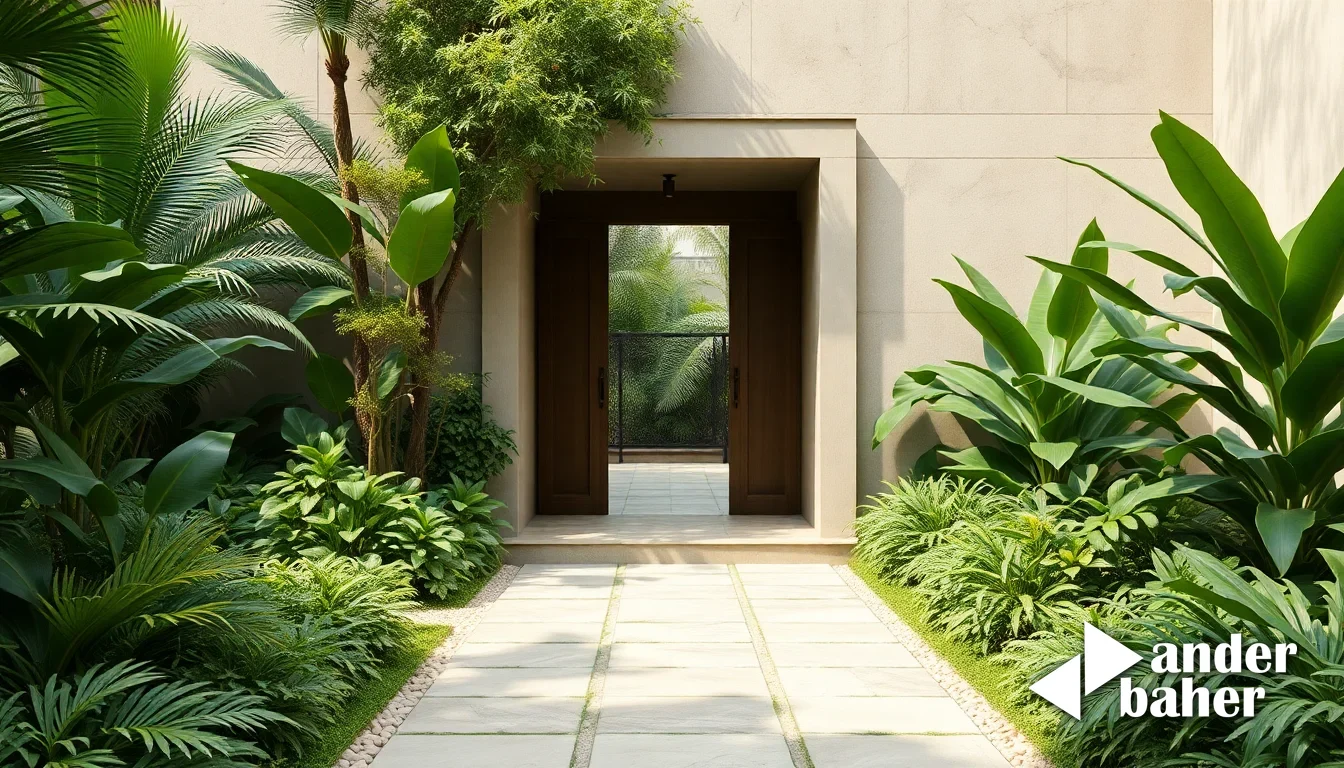
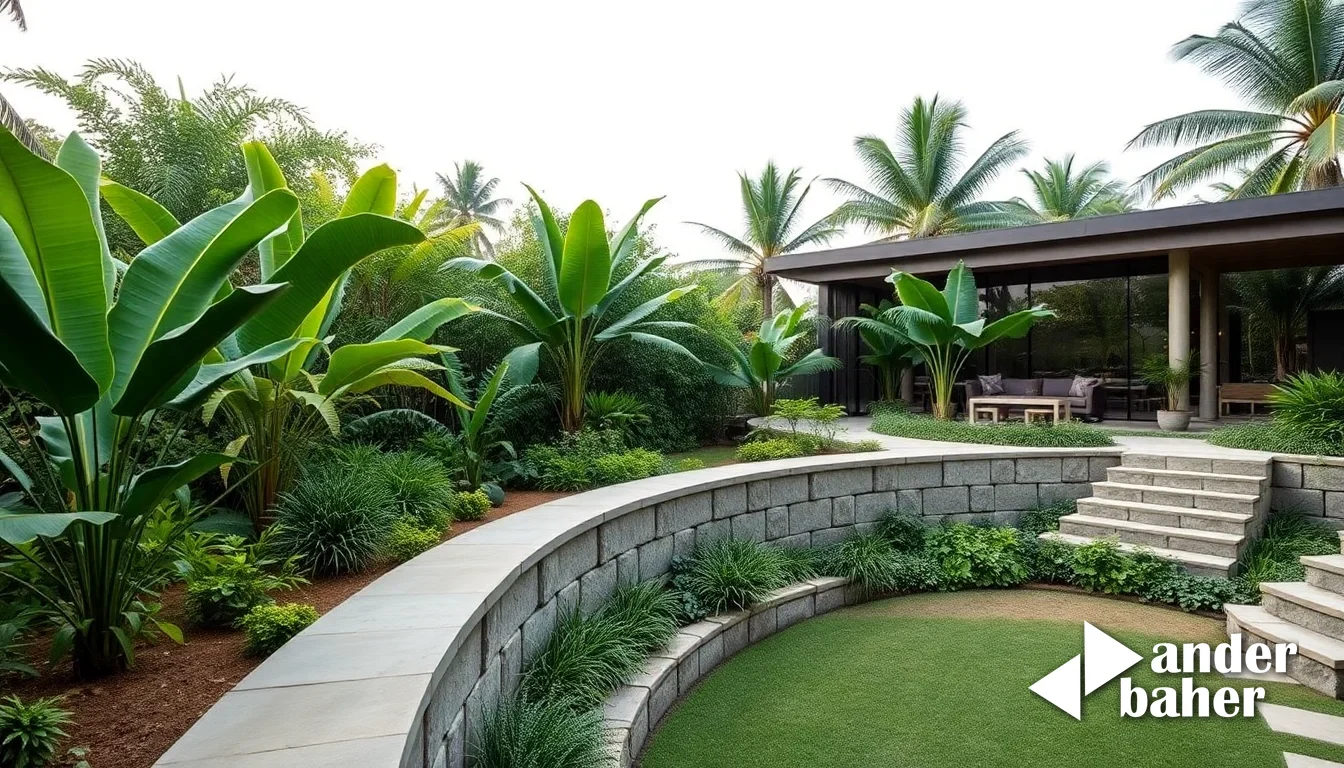
On a 30×40 plot, your outdoor spaces are not afterthoughts—they're extensions of interior square footage. A thoughtfully designed courtyard with mature planting, a covered terrace that reads as an outdoor room, or a rooftop garden all add functional living area without eating into built-up space.
The grandest homes aren't always the largest. They're the ones where every plane, every threshold, every shift in light and material contributes to a sense of deliberate expansion. A 30×40 plot demands this kind of architectural intelligence. The result, when executed well, feels anything but constrained.
Frequently asked
How can I make a 1,200 sq ft apartment feel larger without knocking down walls?
Architectural transparency—open planning with low-slung dividers, strategic sight lines, and material layering—amplifies perceived space without structural renovation. The eye travels further when visual boundaries dissolve, and the mind perceives magnitude accordingly.
What role does vertical design play in compact 30×40 plots?
Two-storey homes and mezzanines redistribute life across planes, reducing crowding on any single level. Double-height spaces and sculptural stairs create volumetric drama that no horizontal expansion can match.
How should I use materials and light to expand a cramped living room?
Pale, reflective surfaces—limestone, light timber, plaster—scatter light and read lighter. Counter this with strategic dark accent walls that recede visually, creating depth. Natural light orchestration through skylights and clerestory windows extends connection beyond walls.

Ready to transform your space — inside or out?
Tell us a little about your home or office. We'll get back within one working day.
Book a consultation