
Magazine › Architecture
Adaptive Outdoor Design in India
As India's summers intensify, architects and landscape designers are returning to vernacular wisdom—designing gardens and terraces that work with climate, not against it.
By the Ander Baher Editorial Desk · 27 July 2026
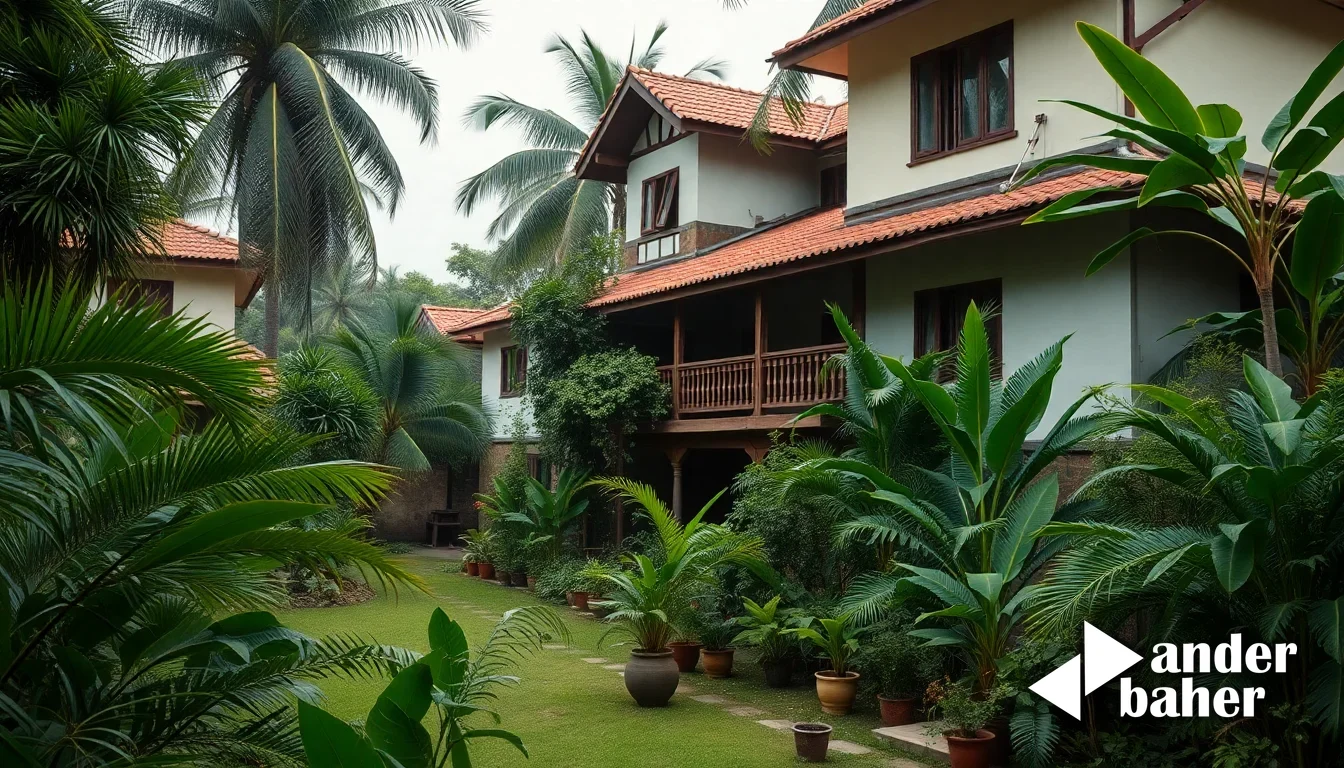
On a Mumbai balcony in April, the air sits still and heavy. The afternoon sun bleaches the concrete white. A designer standing here faces a choice: install an air-conditioning unit to cool the space, or build something that breathes with the season. An increasing number of architects are choosing the latter, dusting off principles that Indian builders understood long before mechanical cooling existed.
Climate-adaptive architecture isn't nostalgic retrofitting. It's a pragmatic response to rising temperatures, water scarcity, and electricity costs. When designed thoughtfully, outdoor spaces—gardens, courtyards, terraces—become the first line of defense against heat, humidity, and monsoon stress. They also become more livable, more beautiful, and paradoxically, more connected to the rhythms of daily life.
The Logic of Orientation and Mass
In Bangalore's older neighborhoods, houses sit at careful angles to streets. East-facing walls receive morning light but are shaded by afternoon. Deep overhangs—a feature so common it went unremarked—create permanent shade zones where air can move freely. These weren't aesthetic choices first; they were survival strategies refined over centuries.
Modern climate-adaptive design resurrects this logic with precision. Landscape architects now map seasonal sun paths before planting a single tree. On a south-facing terrace in Mumbai, a deciduous tree planted at the property line will filter harsh summer rays while allowing winter warmth through. A pergola positioned 30 degrees off true east catches prevailing winds and creates a microclimate 3-4 degrees cooler than surrounding areas—measurable, reliable, free.
Water as Thermal Mass and Movement
Water features in Indian gardens were never purely ornamental. A shallow channel running through a courtyard—like those found in Rajasthani havelis—moves air, cools by evaporation, and conducts water efficiently during monsoon. Contemporary designers are reviving these principles. A simple fountain in a Bangalore patio reduces ambient temperature by 2-3 degrees. Groundwater channels planted with sedges double as drainage and cooling systems during heavy rains.
The plants themselves matter enormously. Native species adapted to local rainfall patterns require less irrigation. A Neem or Ashoka tree provides dappled shade and survives drought. Groundcovers like Duranta or Portulaca hold soil, reduce reflected heat, and thrive without coddling. The garden is a working system rather than a gallery of imported specimens.
The Forgotten Courtyard
Perhaps the most underutilized climate-adaptive feature in contemporary Indian homes is the courtyard. A modest central open-air space, planted thoughtfully and shaded by a single large tree, creates a thermal buffer that cools surrounding rooms naturally. During monsoon, it channels water; during dry season, it becomes a gathering point where air circulates and temperatures stabilize.
Building climate-adaptive outdoor space requires patience and observation. watching how light moves across your balcony in July and December. It means noting where wind pools and where it stagnates. It means choosing plants for longevity and function, not Instagram aesthetics. The reward is a garden or terrace that genuinely improves your home's comfort,no electricity, minimal maintenance, maximum resilience.
Frequently asked
How can outdoor design reduce my home's cooling costs without air conditioning?
Strategic tree placement, pergolas angled to catch prevailing winds, and water features like shallow channels can lower ambient temperature by 2–4 degrees naturally. Combined with proper orientation and native plantings, these elements create thermal buffers that cool surrounding rooms without electricity.
What native plants work best for a climate-adaptive garden in India?
Neem and Ashoka trees provide dappled shade and drought resilience. Groundcovers like Duranta and Portulaca hold soil and reduce reflected heat while thriving on local rainfall patterns. Native species adapted to your region's climate require far less irrigation and maintenance.
Can a small balcony or terrace benefit from climate-adaptive design?
Absolutely. Even a modest south-facing terrace gains significantly from a single deciduous tree positioned thoughtfully, or a pergola angled to filter summer sun while admitting winter warmth. These interventions are measurable, reliable, and cost far less than mechanical cooling over time.
Ready to transform your space — inside or out?
Tell us a little about your home or office. We'll get back within one working day.
Book a consultation