
Magazine › Interiors
Building Optimism: When Design Becomes an Act of Faith
As uncertainty reshapes how we live, Indian homes are becoming spaces of deliberate hope—where thoughtful design choices affirm belief in a liveable future.
By the Ander Baher Editorial Desk · 12 September 2026
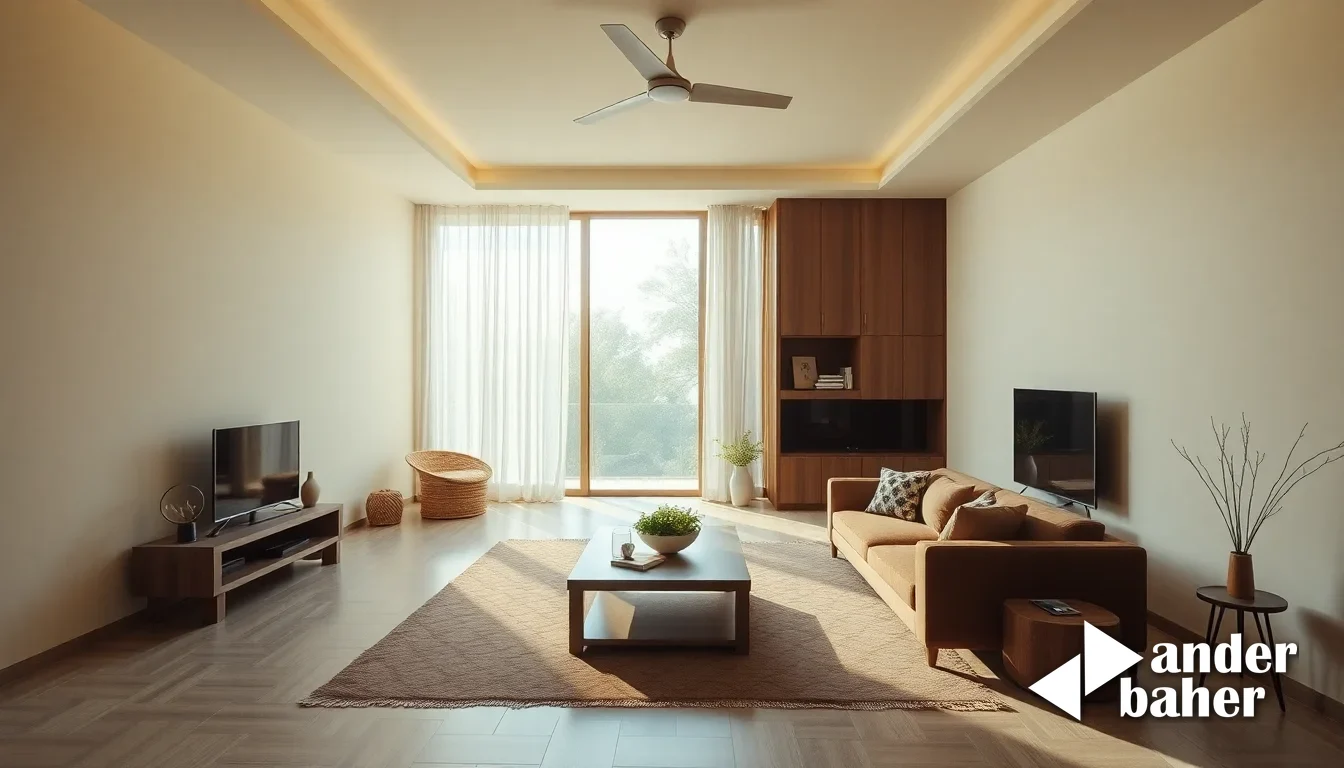
There is a particular quietness that settles over a room when you choose to design it with intention rather than reaction. Not the silence of resignation, but the calm of someone who has decided, despite the noise outside, that the spaces we inhabit matter. That how we live is, in itself, a form of belief.
Walk through any neighbourhood in Mumbai or Bangalore right now, and you'll notice something shifting. Behind closed doors, in living rooms and kitchens, people are asking themselves harder questions about the homes they're building. Not 'what is trending?' but 'what do I actually need to feel grounded here?' The distinction matters enormously.
Design as a Deliberate Choice
When the world feels fragmented, a well-designed home becomes an anchor. But not the kind that resists change—rather, the kind that absorbs it. Consider the growing number of Indian households introducing natural materials into compact urban apartments: exposed brick, wood that shows its age, stone that carries texture. These aren't nostalgia purchases. They're acts of grounding. A material that weathers and deepens with time carries an implicit message: things persist. Things transform, but they endure.
This is optimism expressed through plaster and timber. Through the choice to install a large window that lets monsoon light pour in, even when outside feels overwhelming. Through gardens—even narrow balcony gardens—that insist on growth and seasonality. These decisions are small. They are also revolutionary, because they say: I am choosing to invest in this place, in these rituals, in this version of living.
Spaces That Acknowledge Complexity
The most honest homes we see emerging in Indian cities don't pretend that uncertainty doesn't exist. Instead, they make room for it. Multi-functional furniture that adapts as needs shift. Flexible lighting that responds to different moods and hours. Surfaces that are beautiful precisely because they're honest—a concrete wall left raw, a courtyard that floods during heavy rains and requires maintenance, not a polished perfection that denies reality.
There's a quiet dignity in designing spaces that acknowledge we are living through transition. A home that can hold both joy and difficulty. That doesn't demand we choose between beauty and practicality, between aspiration and realism.
The Small Act of Care
Perhaps this is what optimism looks like now: not grand gestures, but the decision to arrange light well in a room. To choose a paint colour because it steadies you, not because it photograph well. To tend a small garden even when the future feels uncertain. To create corners where conversations happen, where books live, where someone might simply sit and breathe.
These are not solutions to larger problems. But they are refusals—quiet, stubborn refusals—to live carelessly. In a time of genuine complexity, that distinction feels increasingly important. The homes we build, the rooms we inhabit, the details we tend: they are where optimism lives, not as denial, but as daily practice. An affirmation, made in plaster and light and air, that how we choose to live still matters.
Sources & further reading
- Dezeen — "In these conditions, how can we be optimistic?" asks Anab Jain ↗
- Dezeen — Jonathan Anderson and Anab Jain among winners of London Design Medal ↗
- Dezeen — These are the 50 projects from Asia Pacific selected for Dezeen Awards 2026 Regional Showcases ↗
- Dezeen — This week we revealed a stone high-rise in London ↗
An original Ander Baher perspective, informed by the coverage above.
Ready to transform your space — inside or out?
Tell us a little about your home or office. We'll get back within one working day.
Book a consultation