
Magazine › Interiors
Boost Comfort and Focus: Ergonomic Design for Modern Workspaces
Explore the evolution of workspaces in our latest blog, 'Ergonomic Design Trends for Modern Workspaces.' Discover how architects and designers are weaving comfort, wellness, and technology seamlessly into contemporary offices. From tailored comfort to collaborative spaces, delve into the human-centr
By the Ander Baher Editorial Desk · 10 November 2023
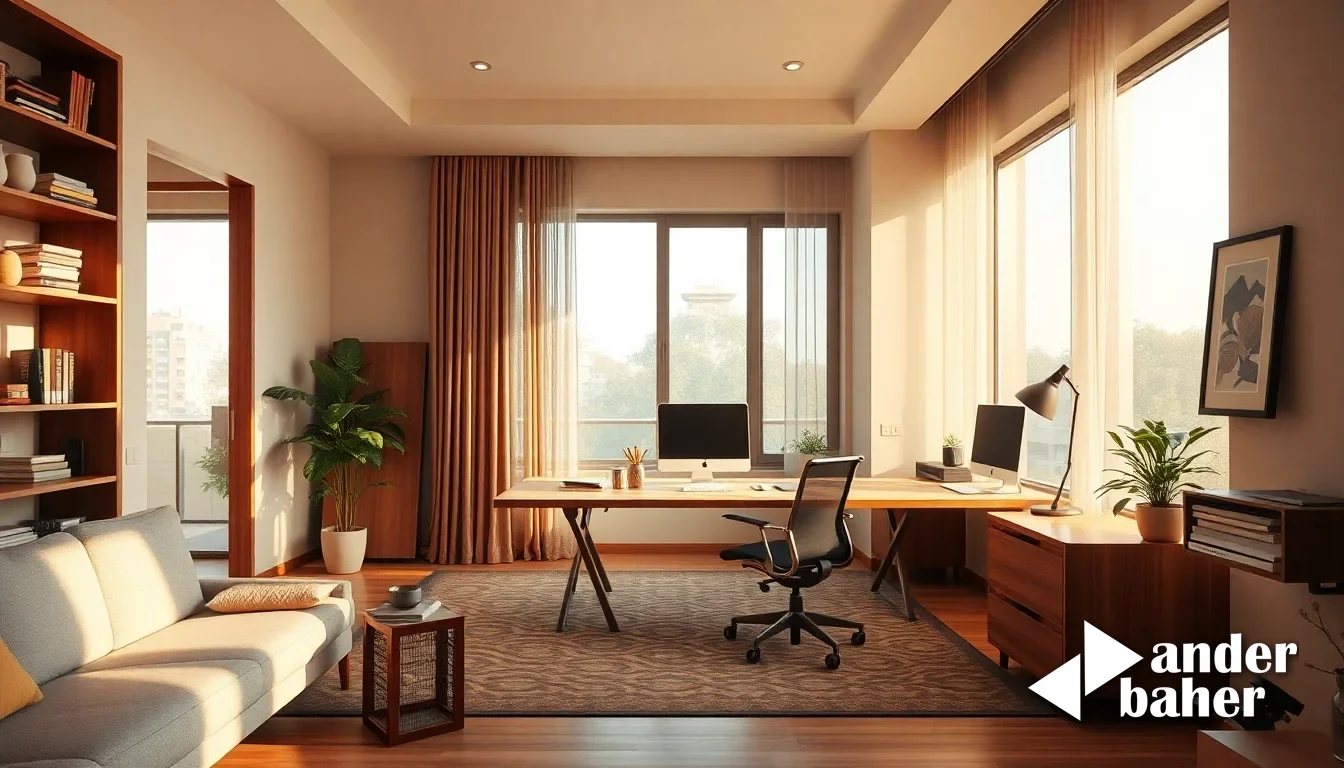
In the fast-paced world of today, where work environments are evolving at an unprecedented rate, the significance of ergonomic design in modern workspaces cannot be overstated. As we witness a paradigm shift in the way we work, architects and designers are responding with innovative solutions to create spaces that prioritize both productivity and well-being.
1. The Human Touch in Design: Ergonomics, in its essence, is the study of efficiency in working environments. It goes beyond mere functionality and delves into the realm of human-centered design. Modern workspaces are increasingly adopting designs that consider the human element, recognizing that a well-designed workspace not only enhances productivity but also promotes the health and happiness of its occupants.
2. Tailored Comfort: Comfort is no longer a luxury but a necessity in contemporary workspaces. Adjustable chairs, sit-stand desks, and customizable workstations are becoming commonplace, allowing employees to personalize their workspace to suit their preferences. Recognizing that one size does not fit all, these design elements empower individuals to create an environment that supports their unique needs and work styles.
3. Wellness at Work: The integration of wellness features is a defining characteristic of ergonomically designed modern workspaces. Biophilic design principles bring nature indoors, fostering a sense of well-being. Green walls, natural lighting, and open spaces contribute to a healthier and more stimulating work environment. These elements not only enhance the aesthetics of the workspace but also have a positive impact on the physical and mental health of the occupants.
4. Technology Integration: In the digital age, technology is omnipresent in the workplace. Ergonomic design seamlessly incorporates technology to enhance efficiency without compromising on health. Cable management solutions, integrated power outlets, and adjustable monitor arms contribute to a clutter-free and adaptable workspace, promoting a seamless blend of technology and ergonomic design.
5. Collaborative Spaces: The traditional office layout is giving way to collaborative spaces that encourage interaction and creativity. Ergonomic design facilitates the creation of versatile spaces that cater to different work modes, from focused individual tasks to collaborative group discussions. Flexible furniture arrangements and multifunctional spaces adapt to the diverse needs of a modern workforce.
6. Mental Health Considerations: Ergonomics is not limited to physical well-being; it also encompasses mental health. Thoughtful design addresses factors such as noise reduction, privacy, and stress reduction, creating a conducive atmosphere for focused work and relaxation. Quiet zones, meditation spaces, and acoustically designed interiors contribute to a holistic approach to employee well-being.
Conclusion: As we navigate the ever-evolving landscape of work, ergonomic design emerges as a guiding principle for architects and designers. The emphasis on human-centric spaces, tailored comfort, wellness integration, technology synergy, collaborative environments, and mental health considerations reflects a commitment to creating workspaces that not only meet the functional requirements of the modern office but also prioritize the well-being and satisfaction of those who inhabit them. In embracing these ergonomic design trends, we are not just shaping the future of workspaces; we are crafting environments that empower individuals to thrive in the dynamic and demanding world of today.
Facebook Twitter LinkedInStill need help?
Get in touch with us
Frequently asked
How does ergonomic design actually improve workplace productivity?
Ergonomic design reduces physical strain and cognitive fatigue through human-centered planning—adjustable workstations, natural light, and thoughtful acoustics allow employees to work comfortably for longer, with fewer distractions and injuries.
What biophilic elements work best in compact urban office spaces?
Green walls, potted plants near windows, and maximized natural lighting are the most effective for smaller footprints; they improve air quality and mental clarity without requiring extensive square footage.
Can ergonomic design accommodate both open collaboration and private focus work?
Yes—flexible furniture, multifunctional zones, and acoustic partitioning allow spaces to adapt between collaborative and individual work modes, supporting diverse working styles within a single layout.
Ready to transform your space — inside or out?
Tell us a little about your home or office. We'll get back within one working day.
Book a consultation