
Magazine › Biophilic Design
Living with Intention: Biophilic Design for the Modern Indian Home
Discover how to weave natural materials, light and living elements into your interiors—creating spaces that calm the mind and connect you to the seasons.
By the Ander Baher Editorial Desk · 19 November 2026
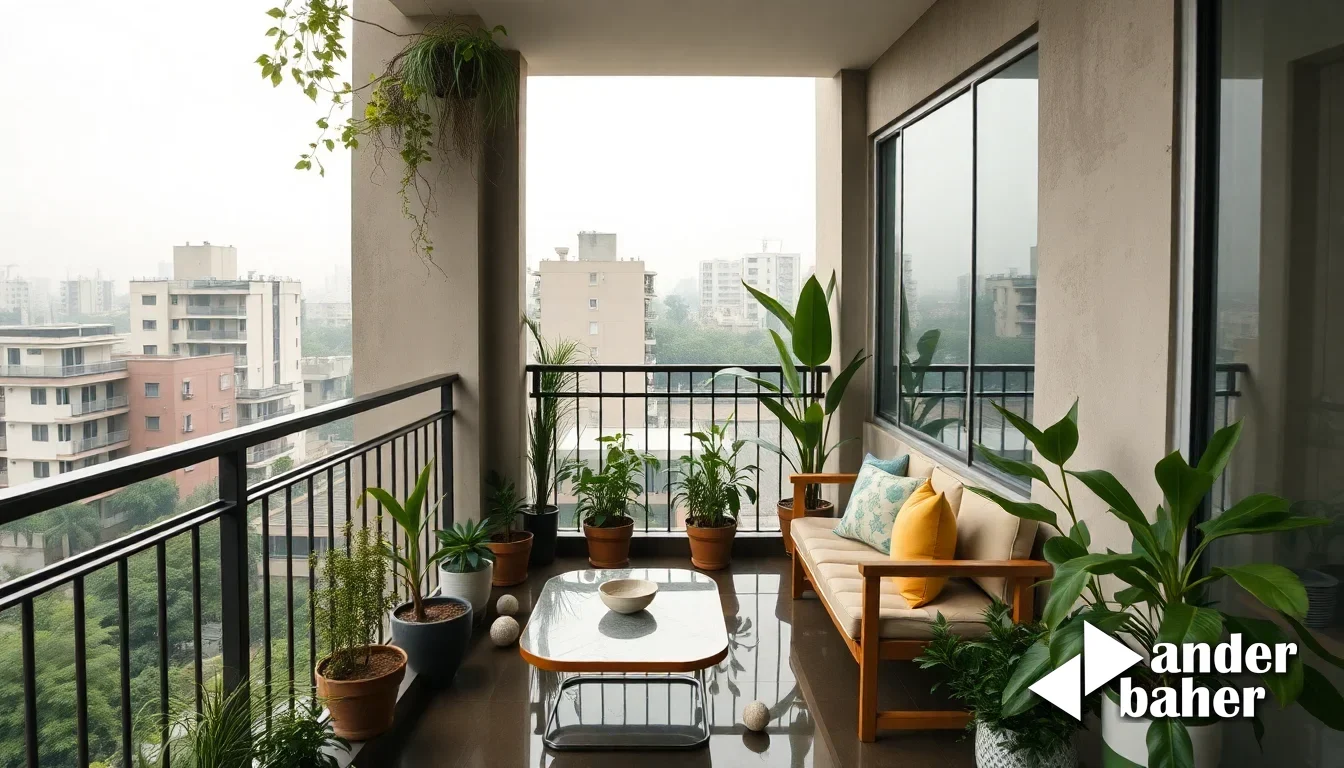
There is a moment, usually in the first monsoon after moving into a new apartment in a Whitefield high-rise or a just-handed-over tower off Sarjapur Road, when you realise that your builder-vanilla finishes—the beige walls, the glossy vinyl flooring, the sealed windows—have created a kind of sensory void. The space looks complete on paper but feels sterile. This is the moment when biophilic design stops being a magazine buzzword and becomes a practical antidote.
Biophilic design is not about filling your home with houseplants, though plants are part of it. Rather, it is the deliberate integration of natural materials, light, air movement, and organic forms into your interior spaces—a way of creating homes that acknowledge our evolutionary need for connection to the living world. For homeowners in Bengaluru and Mumbai, where monsoons demand thoughtful moisture management and summer heat tests our patience, biophilic interiors offer both aesthetic and functional relief.
The Three Layers of Natural Integration
Meaningful biophilic design works through three overlapping systems: materials and texture, light and shadow, and living elements and air.
Start with materials. In a newly-completed tower in Kudlu Gate or an older renovation in Frazer Town, raw concrete, natural stone, and timber create immediate tactile warmth. A concrete jali screen—inspired by classical Indian architecture—serves double duty: it filters harsh afternoon sun while casting shifting shadow patterns across your wall as the light moves. Teak, travertine, and locally-quarried granite ground a space in place and season. These are not decorative choices; they are foundational.
Light is the second layer. Rather than treating windows as holes to fill with curtains, biophilic interiors frame the view and the light itself. In apartments overlooking the Bangalore sky or Mumbai's monsoon clouds, consider floor-to-ceiling glazing paired with external wooden screens or planted balconies—so the boundary between interior and exterior softens. The play of dappled light through foliage, or the slow track of morning sun across a concrete floor, creates temporal rhythm. Your home becomes a sundial of lived experience.
Third: living systems. This extends beyond a single potted plant on a shelf. A living wall—a vertical garden integrated into an interior partition—serves as both air-purifying focal point and ever-changing art installation. In high-rise apartments where outdoor space is precious, interior planting can be strategic: a narrow green corridor along a north-facing hallway, or a moisture-loving fern garden in a bathroom, where the monsoon humidity becomes an asset rather than a problem.
How Do You Design a Living Wall for a Bengaluru Apartment?
A living wall is a layered structure combining a moisture-retention substrate, drainage, irrigation and plant selection—installed on an interior wall to create a self-maintaining ecosystem. In a Whitefield apartment or a just-completed tower near Electronic City, a living wall thrives on indirect light and consistent humidity, transforming a blank wall into a breathing element.
The practical reality: a living wall requires careful moisture management. Bengaluru's dry season and Mumbai's waterlogging both present challenges. The substrate must retain enough water to sustain plants without allowing pooling against the wall or slab behind it. Proper drainage channels, often concealed in the frame, direct excess moisture away from the structure. Irrigation can be manual or automated; in apartments where you travel frequently, drip systems with simple timers ensure the wall survives your absence.
Plant selection is climate-specific. In Bengaluru, consider drought-tolerant varieties like pothos, philodendron, and echeveria, which tolerate the heat and drier air. In Mumbai, monsoon-loving ferns and begonias thrive in the humidity. The wall becomes a seasonal reflection of your city's climate—a living record of place.
Biophilic Kitchens and Bathrooms: Moisture as Design Partner
Indian kitchens and bathrooms are notoriously challenging: cooking heat, monsoon moisture, and daily wear all test material durability. Rather than fighting this reality, biophilic design embraces it.
In kitchens, natural materials like untreated or sealed timber, stone countertops, and open shelving create visual warmth while performing well under heat and steam. Living herb gardens—basil, coriander, mint—planted in weathered terracotta pots on a kitchen shelf or window ledge blur the line between garden and workspace. You harvest from your own grown ingredients, reconnecting food to its source. The scent of crushed basil becomes part of your sensory home.
Bathrooms benefit equally. In a renovation in Lower Parel or a fresh-possession apartment near Powai, consider stone tile work—slate or locally-sourced granite—that develops a patina with age and moisture, becoming richer rather than worn. A corner reserved for shade-loving plants—pothos, snake plant, or ferns—transforms the bathroom from a purely functional box into a pocket sanctuary. The moisture and warmth of showers actually support plant health here.
Thresholds, Courtyards and the Indoor-Outdoor Breath
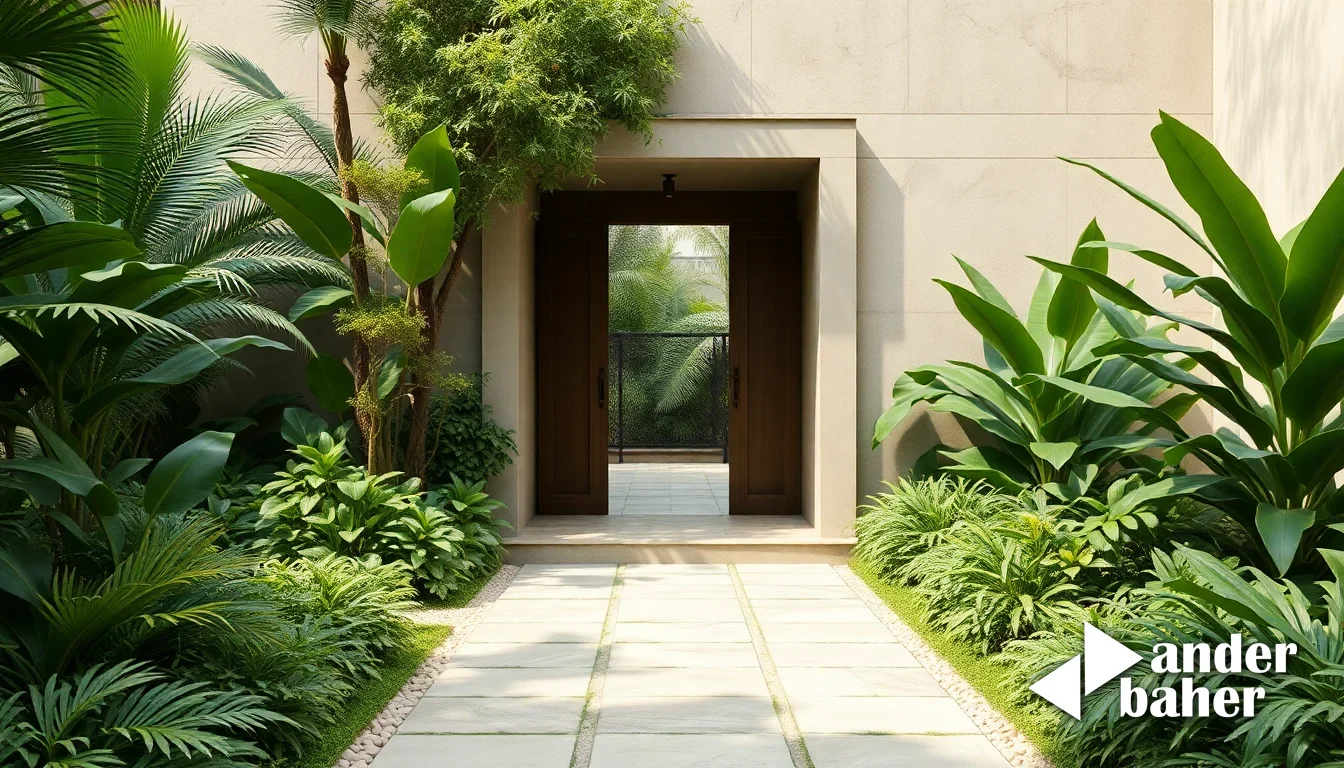
The most potent biophilic moments happen at thresholds—doorways, balconies, the edges where interior meets exterior. In apartments with balconies (whether a small Juhu balcony or a sprawling terrace), the boundary deserves care. Planting screens, timber railings, and exterior walls painted in earthy tones create a gradual transition. You step from climate-controlled indoors into morning air, awareness shifting from interior architecture to sky and season.
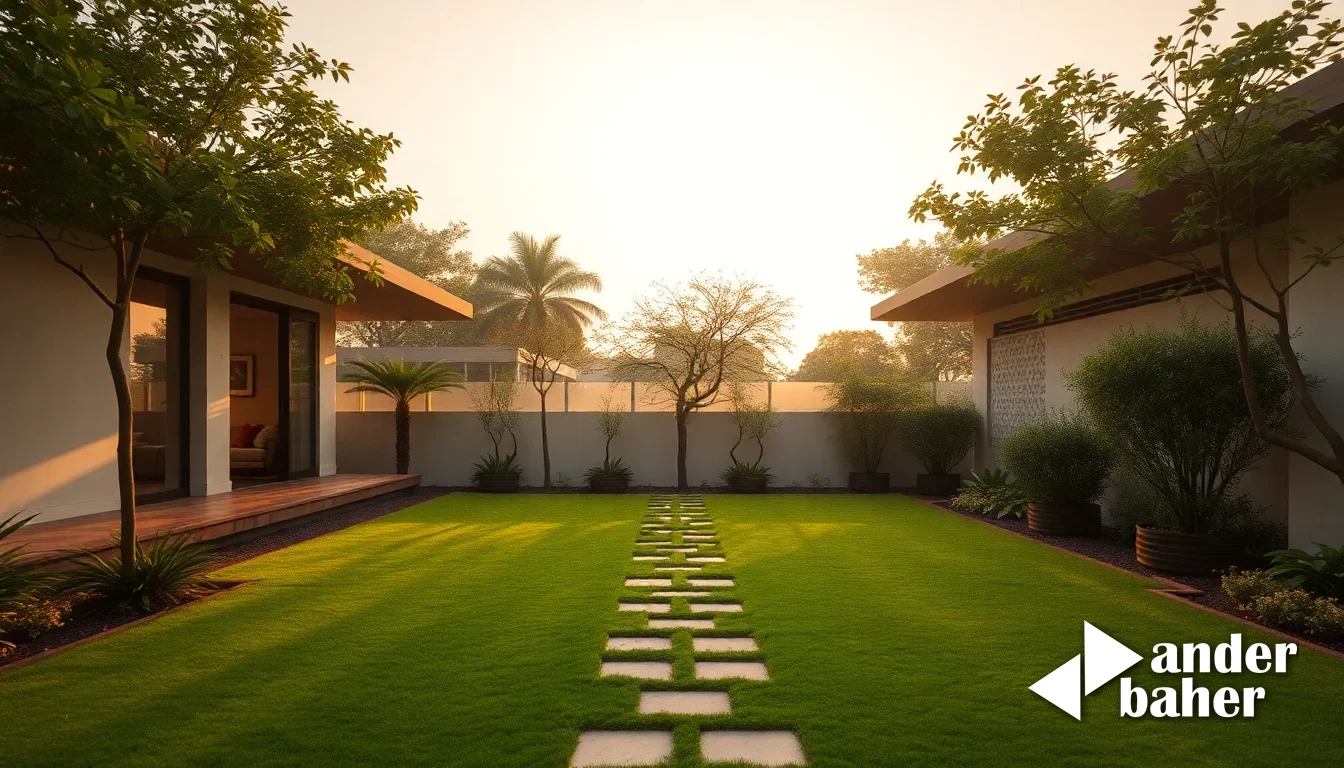
For homes with courtyards—increasingly rare in high-rise living but precious in villa developments around Carmelaram or Sarjapur—the courtyard is biophilic architecture at its core. A sunken garden, a water feature, timber pergolas allowing filtered light: these elements regulate microclimate (keeping adjacent rooms cooler) while creating a contemplative focal point. The courtyard inverts the gaze inward, making the view from living spaces one of living growth rather than urban congestion.
Seasonal Responsiveness and the Rhythm of Place
Biophilic design is not static. It shifts with the seasons. In Bengaluru, the transition from hot dry season to monsoon is dramatic; in Mumbai, monsoons dominate the calendar. Interiors designed with seasonal awareness—with plants that respond to rainfall, with materials that weather gracefully, with light that changes measurably across the year—reflect this rhythm.
Deciduous vines on a balcony screen provide summer shade, then release their leaves in winter, allowing low sun to warm the interior. A monsoon garden thrives on the abundance of water and humidity, then recedes during drier months. Your home becomes a living calendar, marking time through growth and dormancy rather than decoration alone.
Biophilic design is ultimately a practice of attention. It asks: what materials does this place produce naturally? How does light move through this space? What plants thrive in this climate? When you answer these questions carefully, your home stops being a neutral box and becomes a breathing, evolving expression of place and season. For those now living in newly-completed apartments or undertaking thoughtful renovations, this integration—between your interiors and the natural world—is not luxury; it is essential. Explore our delivered spaces to see how natural materials and living systems shape everyday life, or speak with the studio about bringing intention to your own threshold.
Frequently asked
What is biophilic design and how does it differ from just adding plants to a room?
Biophilic design is the deliberate integration of natural materials, light, air movement, and living elements into your interiors to create spaces that connect you to the natural world. While houseplants are part of it, true biophilic design goes deeper—using materials like timber and stone, designing with seasonal light patterns, and creating systems (like living walls or courtyard gardens) that actively refresh air and regulate microclimate. It's architecture and experience, not decoration.
How do you maintain a living wall in a Bengaluru apartment during the dry season?
A living wall requires moisture-retentive substrate, proper drainage away from the wall, and reliable irrigation—either manual or automated drip systems. During Bengaluru's dry season, choose drought-tolerant plants like pothos and philodendron; use timers on irrigation systems if you travel. The key is balancing water retention without allowing pooling or dampness against the structural wall behind it.
Can biophilic design work in a small Mumbai apartment with limited outdoor space?
Absolutely. Interior living walls, vertical herb gardens, and shade-loving plants in corners transform compact spaces. Strategically placed windows with external timber screens or balcony planting soften the boundary between indoors and outdoors. Even in a 2-BHK, natural materials (concrete, stone, timber), filtered light, and a few well-chosen plants create deep connection to the natural world.
What natural materials work best for kitchens and bathrooms in Indian homes where moisture is high?
Stone tiles (slate, locally-quarred granite), sealed or treated timber, and unsealed concrete all develop character with age and moisture rather than degrading. These materials withstand kitchen heat and bathroom steam while creating visual warmth. Terracotta pots for herb gardens and shade-loving plants in corners further integrate living elements into these high-moisture zones.

Ready to transform your space — inside or out?
Tell us a little about your home or office. We'll get back within one working day.
Book a consultation