
Magazine › Interiors
Living Lightly: When Barefoot Becomes a Design Language
A Mumbai studio reimagines what it means to inhabit space when every surface invites touch, and materials whisper rather than shout.
By the Ander Baher Editorial Desk · 11 September 2026
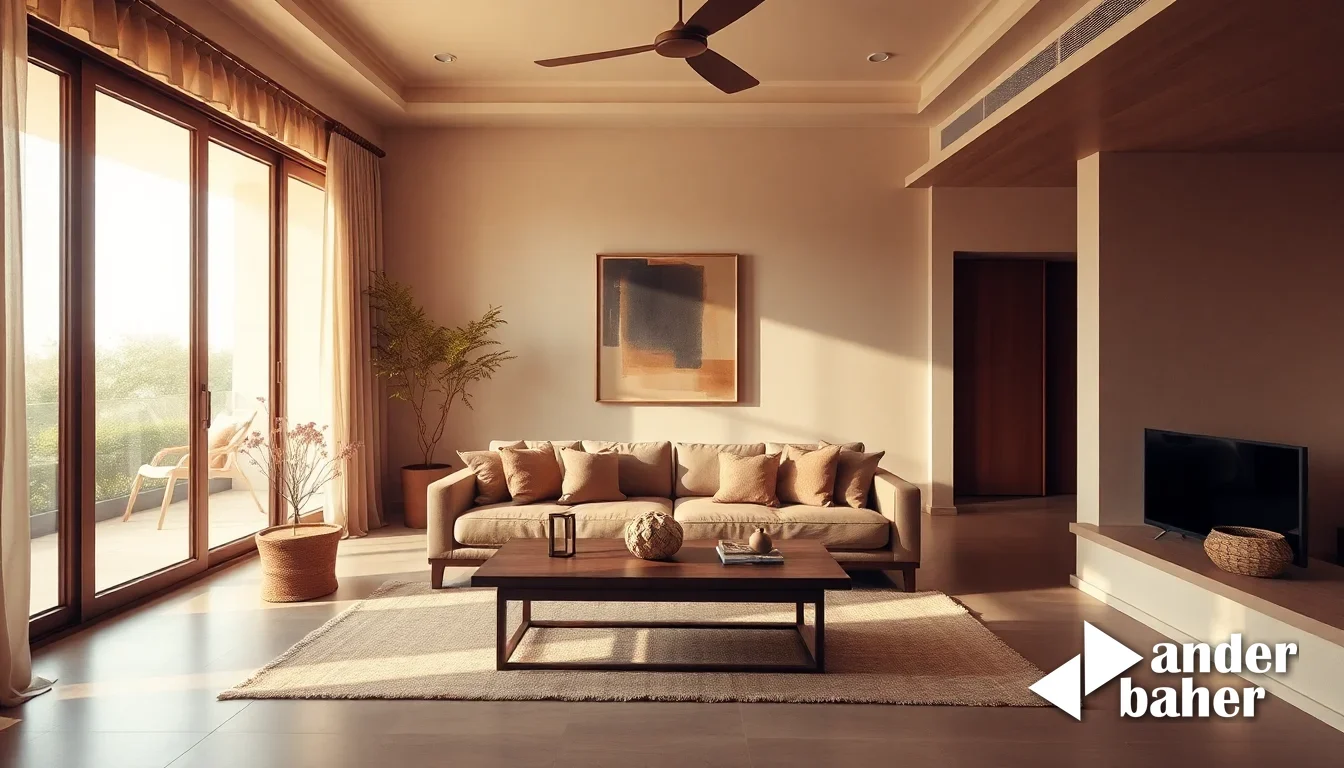
There is a particular quietness that arrives when you step barefoot into a room designed to be felt, not merely seen. The floor registers temperature. Your heel meets texture—wood grain, cool stone, the slight give of a natural fibre weave. The walls, stripped of gloss and pretence, seem to breathe. This is the inverse of the maximalist impulse that has long dominated Indian interior design; instead of layering surfaces with pattern and finish, what if the space itself became a meditation on reduction?
The impulse to design homes around tactile experience speaks to something old in Indian domestic life. Think of the threshold between rooms in traditional homes—how materials shifted deliberately, how the body understood it was moving into a different zone. Marble or tile gave way to wood. Exposed brick spoke differently than plastered wall. These were not accidents of budget or material scarcity; they were choices embedded in how people understood comfort and transition.
The Surface as Conversation
When a designer commits to barefoot living as an organizing principle, they are making a contract with restraint. Every material must earn its presence. A concrete floor is not hidden beneath expensive granite; instead, it is polished to reveal its own geology. Timber is left unsealed where possible, accepting marks and patina as evidence of inhabitation. Plaster is left raw. Brick is exposed not as a nostalgic gesture but because it has work to do—thermal mass, acoustic absorption, visual honesty.
In Mumbai's climate, this approach becomes particularly intelligent. Heavy materials like stone and earth-based plasters moderate temperature naturally. They do not require the constant conditioning that slick, sealed surfaces often demand. A barefoot home, paradoxically, aligns with both luxury and practicality—the luxury of simplicity, the practicality of materials that age gracefully rather than visibly deteriorate.
The Sensory Hierarchy
Designing for barefoot movement creates an unexpected cascade of effects. Lighting becomes more diffuse, because gloss surfaces no longer bounce it aggressively. Colour palettes narrow—not from limitation, but because the eye settles on the subtle variations within natural materials. Sound behaves differently; hard, bare surfaces can echo, but they also create a kind of acoustic honesty. Footsteps matter. Silence matters. The space becomes alive to presence.
For a culture where removing shoes at the threshold remains a ritual act, this design language feels almost inevitable. Yet it requires a deliberate turn away from the aesthetic that has dominated aspirational Indian homes for two decades: the polished, the uniform, the protected.
A Return to Intentionality
This is not minimalism as austerity. A barefoot house can be generous with comfort—soft furnishings, layered textiles, warmth of wood. The difference lies in what is present: nothing superfluous, everything deliberate. Furniture becomes sculpture. A shelf is a composition. A staircase, a moment of craft.
Perhaps the deepest appeal of such spaces is this: they ask the inhabitant to slow down. To notice. To understand the home not as a backdrop for living but as a participant in it. In cities where speed is currency, there is a quiet radicalism in designing a room where walking barefoot feels like the most natural thing in the world.
Sources & further reading
- ArchDaily — Barefoot Dreams House / Ameet Mirpuri Design Studio ↗
- ArchDaily — Ruin House - Nijl a Multigenerational holiday home / Studio Okami Architects ↗
- ArchDaily — Cholán Nests House / La Cabina de la Curiosidad ↗
- ArchDaily — Casa Malonic / HW-STUDIO ↗
An original Ander Baher perspective, informed by the coverage above.
Ready to transform your space — inside or out?
Tell us a little about your home or office. We'll get back within one working day.
Book a consultation