
Magazine › Architecture
Wood and Technology: A Core Element in Indian Architectural Innovations
Explore India's architectural innovation journey, blending traditional materials with modern techniques. Our blog showcases the reimagined use of clay, wood, stone, and metals in shaping modern architecture, combining ancient craftsmanship and sustainability. Join us on a journey where tradition mee
By the Ander Baher Editorial Desk · 6 November 2023
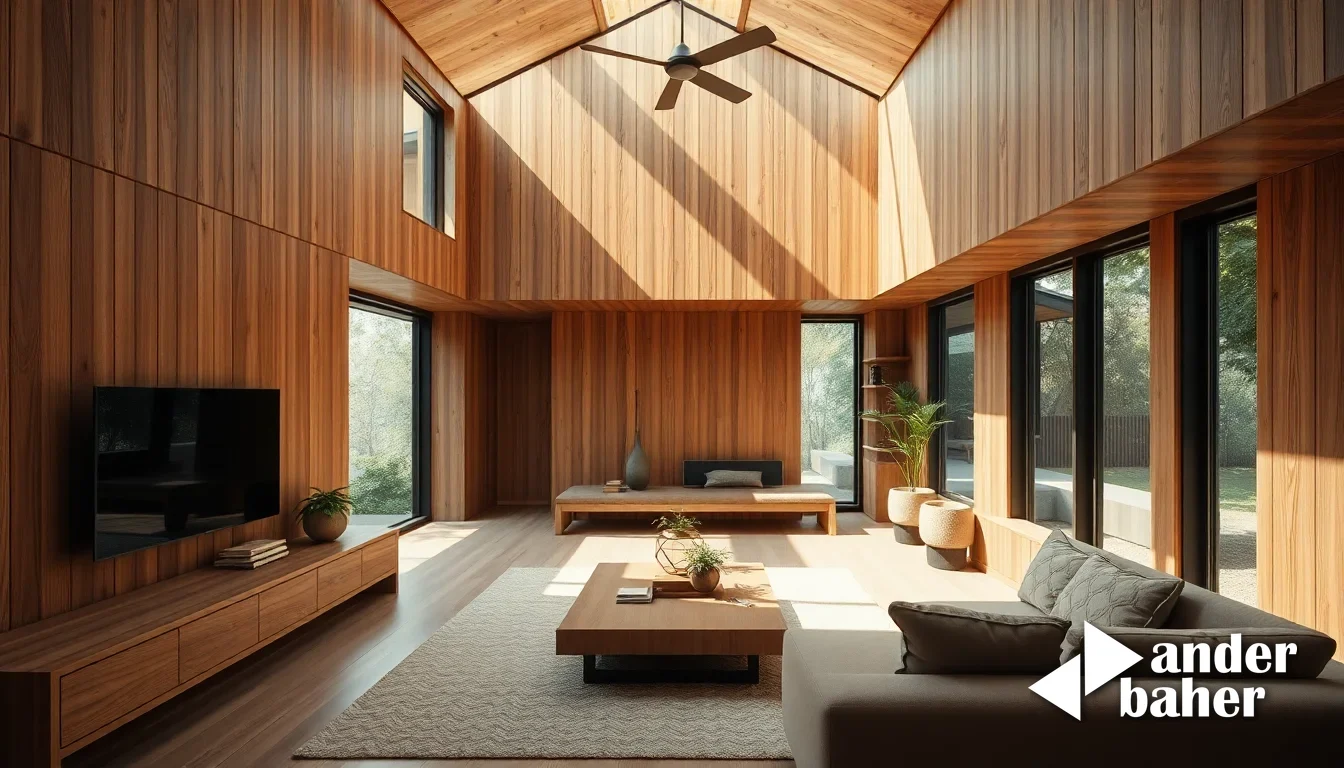
In the ever-evolving world of architecture, India stands as a unique canvas that showcases the rich tapestry of tradition and innovation. The country's architectural landscape is an intricate mosaic of centuries-old heritage and cutting-edge modernity. At the heart of this vibrant fusion are the architectural materials that not only stand as a testament to India's ancient craftsmanship but also demonstrate a remarkable shift towards modern manufacturing techniques. In this blog, we will explore the fascinating journey of innovations in Indian architectural materials, highlighting the blend of tradition and modernity that is shaping India's architectural landscape.
Reinventing the Clay Revolution
One of the oldest and most timeless architectural materials in India is clay. Over the years, clay has been reimagined and rejuvenated with modern techniques. Traditional terracotta tiles, once used extensively in vernacular architecture, have now found new life in contemporary designs. These tiles are produced using innovative methods, ensuring uniformity in size and shape while retaining the rustic charm of traditional craftsmanship. The use of solar power for firing clay and the incorporation of sustainable practices in production are turning this age-old material into a sustainable and eco-friendly choice for modern architects.
Melding Wood and Technology
Wood has always held a special place in Indian architecture, offering warmth and character to spaces. Modern technology has allowed for the preservation and treatment of wood to ensure longevity, while also opening doors to new possibilities. Engineered wood products, such as laminated veneer lumber and cross-laminated timber, are being used to create sustainable and versatile structures. These materials are not only strong and durable but also environmentally friendly, making them ideal for contemporary designs that blend seamlessly with nature.
Innovative Stone Craftsmanship
India's rich history of stone craftsmanship is well-known, with monuments like the Taj Mahal serving as timeless examples. Modern architects are now harnessing the potential of traditional stone materials like marble, granite, and sandstone. With advanced cutting and carving technologies, intricate designs and patterns can be achieved with unmatched precision. These materials are no longer limited to traditional applications but are now used in contemporary facades, interior spaces, and landscaping, making a bold statement in modern architecture.
Metallic Marvels
The use of metals like brass, copper, and stainless steel has taken on a new dimension in Indian architecture. Modern manufacturing techniques allow for the creation of intricate metal facades, screens, and sculptures that redefine the concept of grandeur. The fusion of tradition and modernity can be seen in the intricate jali work using laser-cutting technology, turning architectural features into works of art. These materials not only offer aesthetic appeal but also durability and low maintenance, making them popular choices for both residential and commercial projects.
Sustainability Through Natural Materials
In an era where sustainability is paramount, India's architectural materials are also evolving to meet eco-friendly standards. Bamboo, for instance, is experiencing a resurgence due to its renewable and sustainable properties. It is being used in innovative ways, from structural elements to furniture and decor. Earth-based materials like rammed earth and adobe are gaining attention for their natural thermal insulation properties, helping reduce energy consumption in buildings. These materials represent a marriage of tradition and ecological responsibility in the modern architectural landscape.
The innovations in Indian architectural materials offer a glimpse into the ever-changing and dynamic nature of the country's architectural landscape. The harmonious blend of traditional craftsmanship with modern manufacturing techniques has given rise to a new era of design possibilities. As architects and designers continue to explore these materials, they not only honor India's rich heritage but also contribute to sustainable and forward-thinking architectural solutions. The use of these materials not only defines spaces but tells a compelling story of a country that cherishes its past while looking ahead to a brighter, more sustainable future in architecture and design.
Facebook Twitter LinkedInStill need help?
Get in touch with us
Frequently asked
How are traditional materials like wood and stone being used in contemporary Indian architecture?
Modern technology preserves and enhances heritage materials—engineered wood products ensure longevity, while advanced cutting techniques unlock new design possibilities in stone and metalwork, allowing architects to honor tradition without compromising durability or sustainability.
What makes engineered wood and cross-laminated timber suitable for luxury residential design?
These materials combine structural strength with environmental responsibility, offering the warmth of natural wood while meeting contemporary performance standards—ideal for premium homes seeking both aesthetic refinement and ecological integrity.
Are bamboo and rammed earth viable for high-end architectural projects?
Yes; bamboo's renewable properties and rammed earth's natural thermal efficiency appeal to discerning clients prioritizing sustainability without sacrificing design sophistication or material quality.
Ready to transform your space — inside or out?
Tell us a little about your home or office. We'll get back within one working day.
Book a consultation