
Magazine › Architecture
Designing Homes That Honour Indian Heritage
The conversation around preserving twentieth-century monuments teaches us something vital about living well at home: how to hold progress and lineage in the same room.
By the Ander Baher Editorial Desk
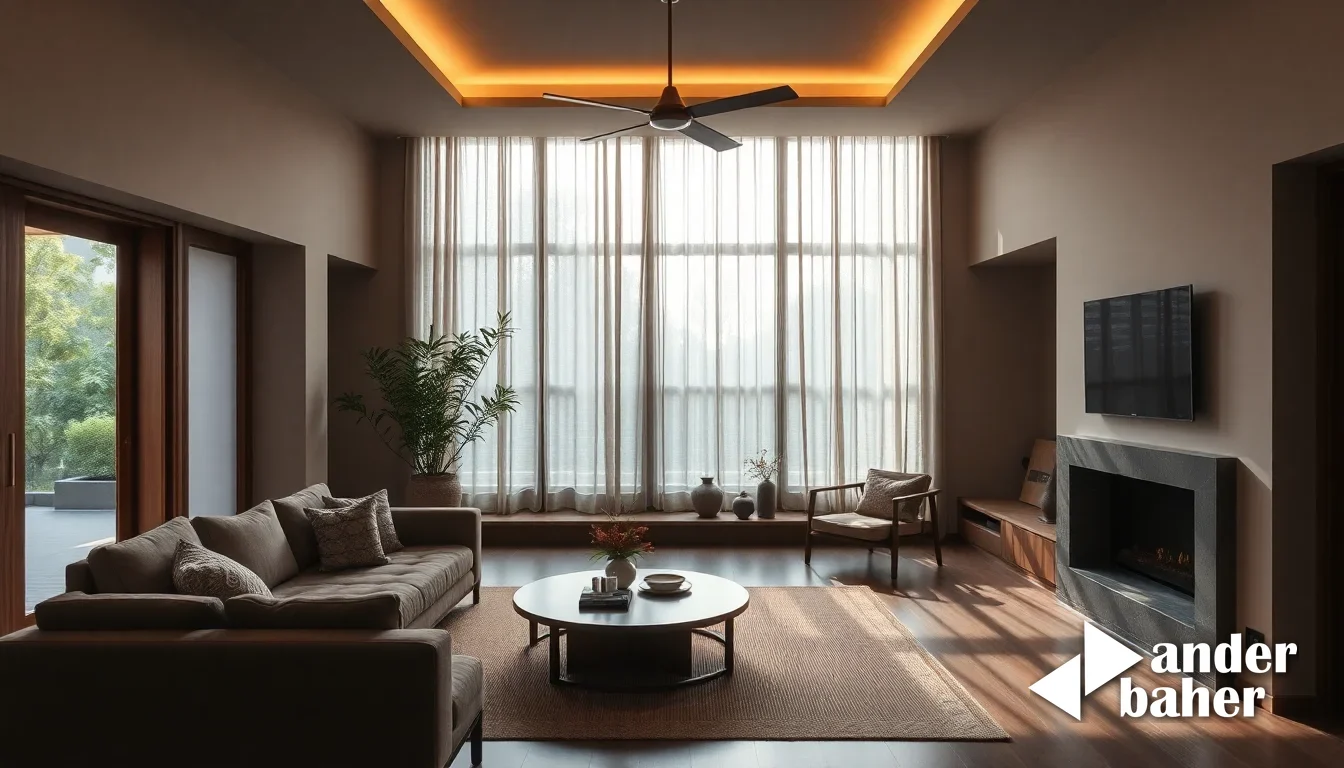
There is a particular kind of tension in a home that sits between two eras. You inherit a space shaped by a certain vision—clean lines, honest materials, geometric certainty—and you must decide whether to preserve it faithfully or let it breathe into something new. This is the question that animates much of Indian domestic architecture today, especially in cities like Bangalore and Mumbai, where mid-century homes and newly imagined spaces exist side by side on the same streets.
The impulse to protect India's modernist monuments—structures conceived in the decades after independence, when architects believed design could express a young nation's ideals—carries a deeper lesson for how we inhabit our own homes. These buildings were never meant to be museums. They were lived in, worked in, celebrated in. They were about function and form dancing together, about materials chosen for their honesty rather than their ornament.
The Modernist Home as Living Document
When you walk into a well-preserved modernist interior from the 1950s or 1960s, what strikes you first is the restraint. There is no apology in the space. A wall is a wall. A window is positioned to catch light and frame a view, not to perform. The palette emerges from what the climate demands and what the region offers—exposed brick, timber, stone, sometimes concrete left raw and unadorned.
This philosophy—that a home should reveal its thinking rather than hide it—feels increasingly relevant as we navigate contemporary design. The pressure to accumulate, to layer texture upon texture and object upon object, can obscure what a space actually needs. A modernist sensibility, properly understood, is not cold or minimal in the reductive sense. It is clear-eyed about purpose.
Honouring Inheritance Without Stasis
The challenge of maintaining a modernist home is not about preservation in the museum sense. It is about understanding what the original architect believed mattered, then asking what matters to you now. Perhaps the bones of the space—the proportions, the material integrity, the relationship to light—are worth protecting. Perhaps a kitchen designed for servants' work in 1958 needs reimagining for how a family actually cooks today.
This is where many Indian homeowners find themselves: living in or inheriting spaces shaped by a mid-century vision that still feels contemporary, but which requires translation for modern life. The objective is not fidelity to a historical moment. It is stewardship—recognizing that a well-designed space, even one decades old, has lessons to teach if you look closely enough.
The Everyday Practice of Living Thoughtfully
Preserving modernist ideals in your home does not require living in an archive. It means being intentional about what enters the space. It means noticing how light moves through a room at different hours and seasons—something a modernist architect spent considerable thought on—and letting that awareness shape how you arrange your days. It means choosing materials and objects that age visibly and honestly, that do not pretend to permanence but wear their use with grace.
The homes that endure, that feel alive across generations, are those where the original design intention is understood and respected, even as the people within them change. This is the real lesson of architectural preservation: it teaches us that the spaces we inhabit are conversations between past and present, between what was imagined and what is lived.
Sources & further reading
- ArchDaily — Modernism on the Watch: Preserving the Sardar Vallabhbhai Patel Stadium in India ↗
- Dezeen — Populous completes Buffalo Bills stadium in New York ↗
- ArchDaily — Sentry Bridge / Snøhetta + sbp ↗
- ArchDaily — Brazil in Focus: This Month in Architecture, Heritage, and Cultural Debate ↗
An original Ander Baher perspective, informed by the coverage above.
Frequently asked
How do I preserve a mid-century modernist home without making it feel like a museum?
Understand the original architect's core intentions—proportions, material honesty, relationship to light—then translate them for how you actually live. Stewardship means respecting the bones while thoughtfully adapting kitchens, bathrooms, and daily routines to contemporary needs.
What materials and design choices best honour Indian modernist principles?
Exposed brick, raw concrete, timber, and stone chosen for regional availability and climate aptness rather than ornament. Modernist design reveals its thinking; select objects and finishes that age visibly and wear their use with grace, avoiding pretence of permanence.
Is modernist design cold or minimal in a way that doesn't feel like home?
Properly understood, modernist sensibility is clear-eyed about purpose, not reductive coldness. Restraint and honest materials create spaces that feel alive and contemporary across generations, especially when you live attentively—noticing how light moves and arranging your days within that awareness.
Ready to transform your space — inside or out?
Tell us a little about your home or office. We'll get back within one working day.
Book a consultation