
Magazine › Architecture
The Living Archive: Restoring Water Memory in Indian Homes
When a Bangalore home reopens its grandmother's stepwell, design becomes an act of remembrance—and resilience.
By the Ander Baher Editorial Desk · 9 October 2026
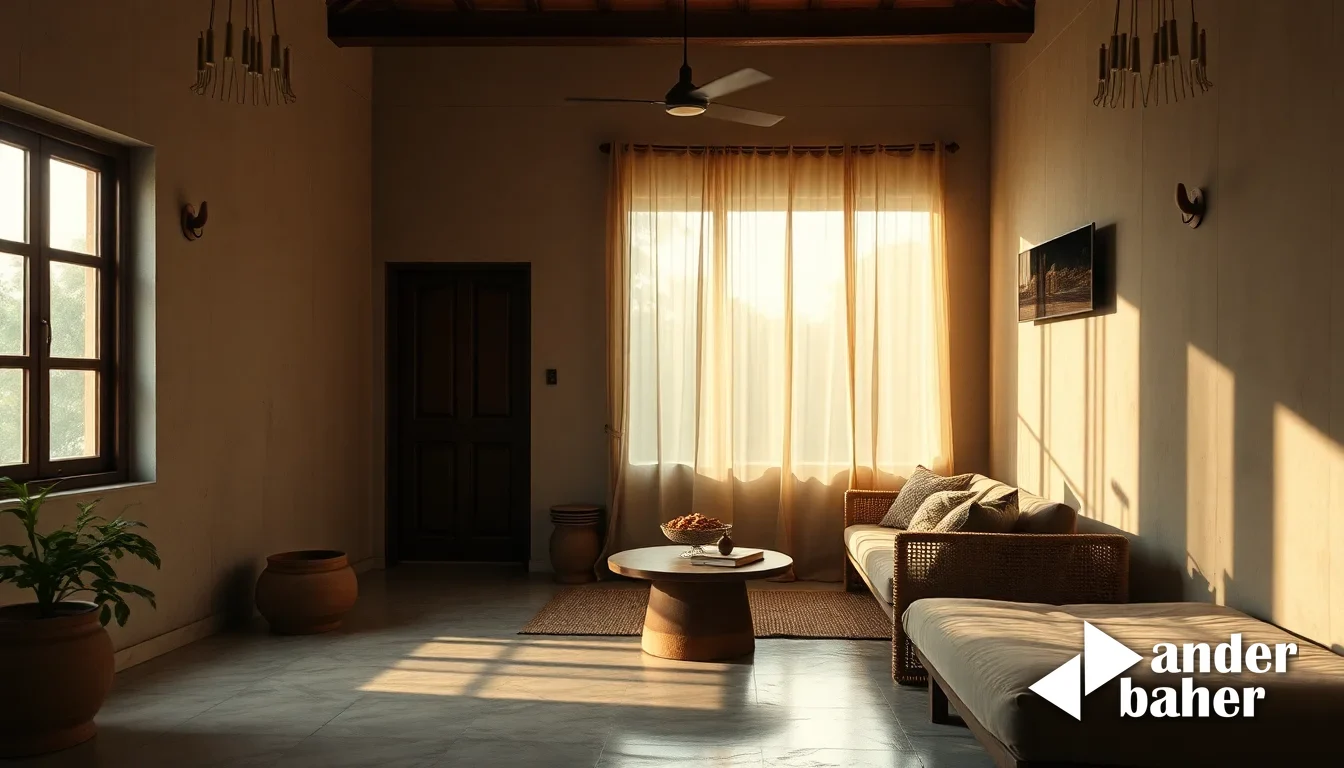
In a corner of a century-old bungalow outside Bangalore, a family recently uncovered something their architect had almost demolished: the ghost of a stepwell. Not the grand, ceremonial kind tourists photograph in Rajasthan, but a modest shaft—barely visible beneath generations of concrete and tile—that once fed the household through the dry months. The discovery prompted a question that is quietly reshaping how thoughtful homeowners approach restoration: what if the infrastructure our ancestors built wasn't obsolete, but merely dormant?
This isn't nostalgia dressed as design. It's pragmatism wrapped in reverence. As Indian cities face increasingly unpredictable water availability and climate stress, a small but growing movement of architects and residents are learning to read their properties as palimpsests—layered texts where old hydraulic logic can inform present-day sustainability.
Reading the Land You Inherit
Every Indian home site carries hydrological memory. Whether it's a modest well in a Mumbai chawl, the underground cisterns of Kerala's nalukettu houses, or the intricate baoris of Rajasthan, these systems were designed by people who understood their climate with forensic precision. They knew where water lingered in monsoon, where it vanished in summer, and how to make both work for the household.
The architect's role, increasingly, is not to erase these traces but to make them legible again. This means soil testing before breaking ground. It means consulting old revenue records and neighbourhood oral histories. It means asking: where did water naturally collect on this site? Where did it drain? These aren't romantic questions—they're structural ones.
A home in Pune recently integrated a recovered tank system into its landscape design, not as a museum piece but as a functioning feature that supplements municipal supply during peak summer. The result isn't a restoration in the heritage sense, but a translation: the tank now feeds a bioswale garden rather than domestic taps, creating a feedback loop between rainwater capture, landscape irrigation, and groundwater recharge.
The Aesthetic of Intention
When water infrastructure becomes visible again, it changes how spaces feel. A restored well head becomes a focal point in a courtyard. A repaired channel transforms a pathway. The visual language shifts from hidden plumbing to something more honest—infrastructure as ornament, utility as beauty.
This isn't about fetishising the past. It's about recognising that functionality, when well-proportioned and honestly expressed, possesses its own elegance. A functioning stepwell, even a modest one, tells a story about how humans lived in concert with seasonal rhythms. That narrative carries weight in a contemporary home.
The Practical Reckoning
Reviving old water systems demands expertise that's not yet common. Structural engineers must assess deterioration. Water quality specialists must evaluate whether groundwater remains viable. Building codes must be navigated. Cost calculations must account for both restoration and ongoing maintenance.
Yet for homes in water-stressed regions, the long-term arithmetic favours the work. A functioning supplementary system—whether drawing from an old well, feeding a recharged tank, or capturing runoff—represents genuine resilience. It's not a decorative gesture. It's infrastructure that works.
The Bangalore bungalow's stepwell, once cleared and its water tested, now feeds a planted courtyard during the dry season. The family doesn't live in the past. But they've learned to inhabit the present with greater attention to how their home actually sits in the landscape—and how the design choices they make today might matter, quietly and substantially, for seasons to come.
Sources & further reading
- ArchDaily — From Relic to Infrastructure: Can India's Historic Water Systems Work Again? ↗
- ArchDaily — Onodatesho Pavilion at the 76th Japan's National Tree Planting Festival / Yano Aoyama Architecture Design ↗
- ArchDaily — House Q / HGAA ↗
- ArchDaily — Jingzhou City Wall Archaeological Site Exhibition Pavilion / Qing Studio ↗
An original Ander Baher perspective, informed by the coverage above.
Frequently asked
How do I know if my older home has dormant water infrastructure worth reviving?
Soil testing, old revenue records, and neighbourhood oral histories often reveal hydrological patterns your site was built around. An architect experienced in reading layered properties can assess whether wells, tanks, or drainage channels remain structurally viable and worth integration into contemporary design.
Is reviving ancestral water systems practical for modern homes, or is it mainly aesthetic?
For homes in water-stressed regions, functional supplementary systems—whether drawing from recovered wells or capturing runoff—provide genuine resilience during peak dry seasons. The work demands specialist expertise in structural assessment and water quality testing, but the long-term infrastructure value is substantial, not decorative.
What's the difference between restoring a stepwell as a heritage piece versus integrating it into landscape design?
True integration translates the system's purpose rather than embalming it. A recovered tank might feed a bioswale garden instead of domestic taps, creating a feedback loop between rainwater capture, irrigation, and groundwater recharge—making it functional infrastructure that belongs in the present.


Ready to transform your space — inside or out?
Tell us a little about your home or office. We'll get back within one working day.
Book a consultation