
Magazine › Sustainability
Why Vertical Forests Are the Ultimate Green Revolution for Cities
Explore the transformative world of vertical forests, a marvel in modern architecture that's reshaping urban landscapes. Our latest blog delves into how these towering green structures, rooted in biophilic design, are not just architectural feats but vital contributors to environmental sustainabilit
By the Ander Baher Editorial Desk · 23 January 2024
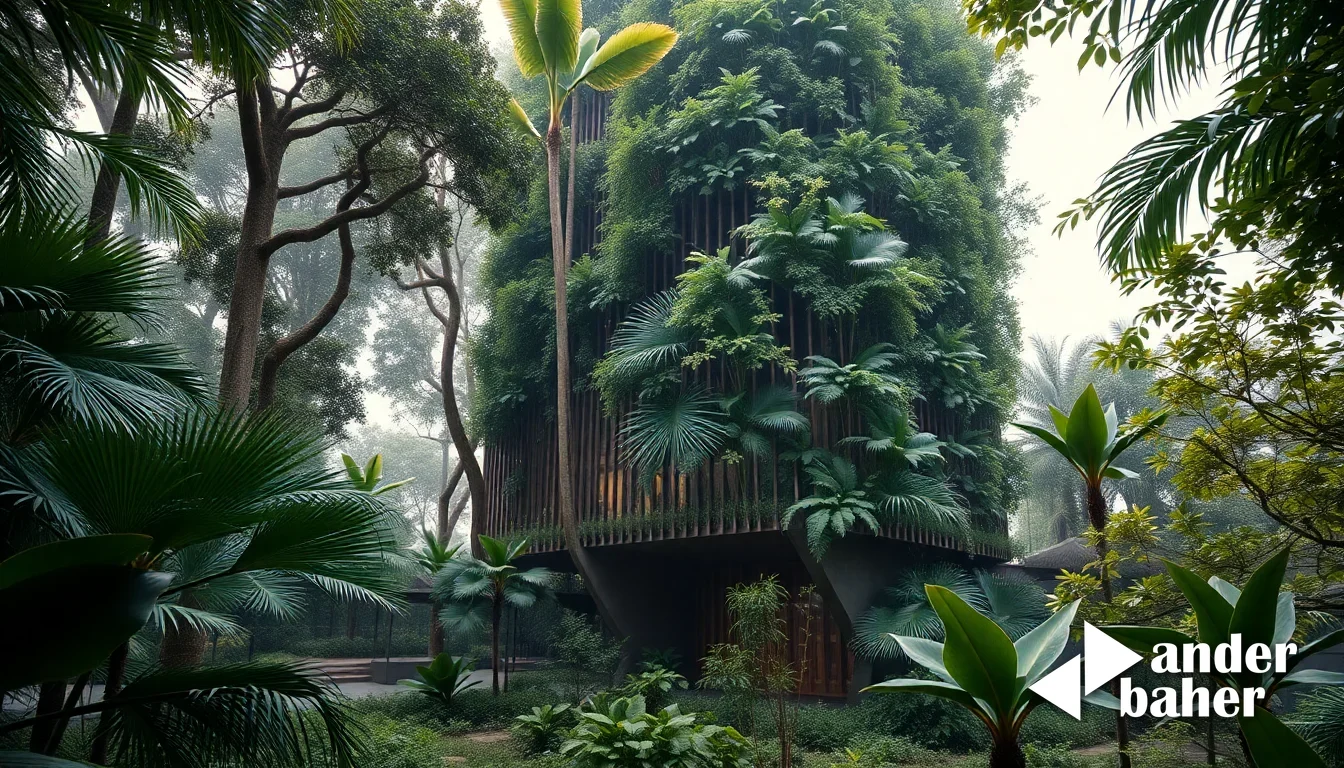
In the heart of modern cities where concrete and steel dominate the skyline, a new architectural revolution is emerging - the rise of vertical forests. As an architecture and design firm deeply committed to biophilic design, we delve into this innovative approach that not only enhances urban beauty but also contributes significantly to environmental sustainability.
Understanding Vertical Forests: A New Era in Urban Design
- Definition and Concept: Exploring what vertical forests are and how they differ from traditional urban landscapes.
- Origin and Evolution: Tracing the history of vertical forests, from initial concepts to modern implementations across the globe.
Biophilic Design: The Core of Vertical Forests
- Principles of Biophilic Design: How vertical forests incorporate natural elements into urban structures to create a harmonious environment.
- Benefits to Urban Dwellers: Discussing the psychological and physical benefits of integrating nature into everyday urban settings.
Environmental Impact: More Than Just Aesthetic Appeal
- Biodiversity: How vertical forests contribute to increasing urban biodiversity, providing habitats for various species.
- Air Quality and Climate Change: Analyzing the impact of vertical forests on air purification and their role in combatting urban heat islands.
Architectural Challenges and Innovations
- Structural Considerations: Delving into the engineering challenges of building vertical forests and how they are being overcome.
- Water and Maintenance Systems: Exploring the innovative solutions for irrigation and maintaining these living buildings.
The Future of Urban Landscapes: Predictions and Possibilities
- Expansion and Adaptation: How vertical forests could evolve and adapt to different urban environments.
- Integration with Smart Cities: Speculating on how vertical forests might integrate with emerging smart city technologies.
The rise of vertical forests represents a transformative step in urban architecture, blending the built environment with natural elements through the principles of biophilic design. As we continue to embrace these living, breathing structures, we not only enhance the aesthetic appeal of our cities but also contribute significantly to the well-being of their inhabitants and the health of our planet.
Facebook Twitter LinkedInStill need help?
Get in touch with us
Frequently asked
How do vertical forests improve air quality in dense urban areas?
Vertical forests significantly enhance air purification through their extensive leaf surface area, which absorbs pollutants and generates oxygen while mitigating urban heat island effects—particularly valuable in congested metropolitan centers like Bengaluru and Mumbai.
What are the main structural challenges in implementing vertical forests?
Engineering vertical forests requires careful load assessment, innovative irrigation systems, and specialized maintenance protocols; however, advances in structural design and automated watering solutions have made these living buildings increasingly feasible for contemporary urban development.
Can vertical forests be adapted to different urban climates and environments?
Yes—vertical forests can be tailored through plant selection and microclimate design to suit diverse urban contexts, from tropical Indian cities to temperate zones, making them a versatile strategy for sustainable urban transformation.
Ready to transform your space — inside or out?
Tell us a little about your home or office. We'll get back within one working day.
Book a consultation