
Magazine › Architecture
Void and Volume: How Emptiness Shapes Modern Indian Homes
When architects carve negative space into solid walls, they reveal something ancient—the Indian principle that emptiness is as important as what fills it.
By the Ander Baher Editorial Desk · 22 September 2026
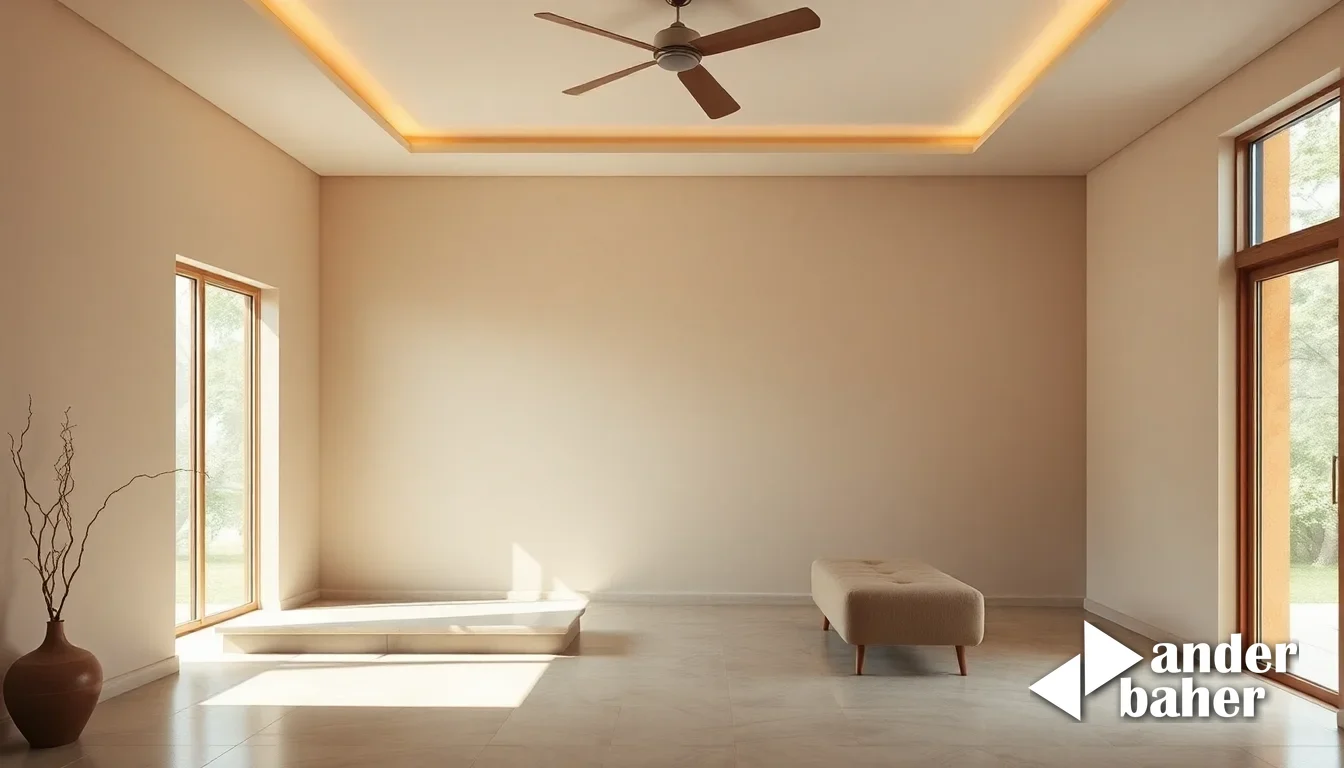
There's a moment when a room stops being a container and becomes a conversation. It happens when an architect decides that a wall doesn't need to be solid—that the space carved from it matters as much as the masonry itself. This shift, from thinking of architecture as addition to thinking of it as subtraction, is reshaping how we build homes in India.
The contemporary fascination with voids in architecture taps into something older than modernism. Walk through the courtyards of Rajasthani havelis or the carved jali screens of Mughal palaces, and you'll see it: emptiness has always been a design material here. Light passes through perforated stone. Air circulates through deliberately open spaces. The void isn't absence—it's presence expressed differently.
Reading Emptiness in Contemporary Walls
When architects today cut geometric voids into brick volumes, they're working with a dual language. The solid wall reads as monolithic, grounded, permanent. The carved opening reads as breath, as possibility, as the home's conversation with its surroundings. In Bangalore's newer residential developments, this dialogue appears in unexpected ways: a street-facing brick facade pierced by a single tall aperture that frames the sky, or interlocking cubic voids that reshape how interior light moves through the day.
The material matters. Raw brick—terracotta, burnt clay—absorbs this aesthetic naturally. Brick is honest about its making; when you carve into it, the gesture feels intentional, almost sculptural. The void becomes part of the brick's story rather than a criticism of its solidity.
Function Nested in Form
These carved spaces don't exist for sculpture alone. A strategically positioned void in a Mumbai apartment's eastern wall might frame morning light while creating a visual break in an otherwise dense street elevation. The same gesture manages privacy, ventilation, and aesthetic weight simultaneously. It's efficiency expressed poetically.
The voids also suggest a shift in how we occupy our homes. Rather than sealed boxes climate-controlled into uniformity, there's a growing appetite for spaces that acknowledge seasons, that let outside conditions shape the interior experience—within reason. A carved threshold between rooms creates visual continuity while maintaining acoustic separation. Emptiness becomes a functional intermediate space.
The Philosophical Return
In Indian spatial thinking, particularly in Buddhist and Hindu philosophy, sunyata—emptiness—isn't nihilistic. It's the condition that allows form to exist, to be perceived, to breathe. Contemporary residential architecture is quietly relearning this. The void in a wall is the absence that lets you notice the quality of light, the texture of materials, the pause between rooms.
When a designer chooses to carve rather than fill, to leave open rather than seal, they're making an argument about restraint. In homes where every corner is optimised for function, where space is expensive and anxiety about its use runs high, the deliberate void reads almost as rebellion. It says: this emptiness is intentional. This silence is designed.
The best contemporary Indian homes are learning to hold this tension—between the ancestral impulse to define space through emptiness, and the modern need for clarity, light, and purpose. The void does both simultaneously.
Sources & further reading
- designboom — persian-red voids carve into villa’s white brick volume in northern iran ↗
- ArchDaily — How Can Thin Brick Support High-Performance Buildings? ↗
- Dezeen — Billy Easter's Gel Lamp shifts colour using transposable slides ↗
- designboom — SOBO wraps paris listening restaurant in oak, vintage furniture, and acoustic panels ↗
An original Ander Baher perspective, informed by the coverage above.
Ready to transform your space — inside or out?
Tell us a little about your home or office. We'll get back within one working day.
Book a consultation