
Magazine › Biophilic Design
Unlock Wellness with Biophilic Design for Your Space
Explore the captivating world of Biophilic Design in our latest blog. Discover how this revolutionary approach seamlessly weaves nature into architecture, enhancing well-being, reducing stress, and boosting creativity. Dive into the essence of biophilic principles and learn how it's shaping the futu
By the Ander Baher Editorial Desk · 30 October 2023
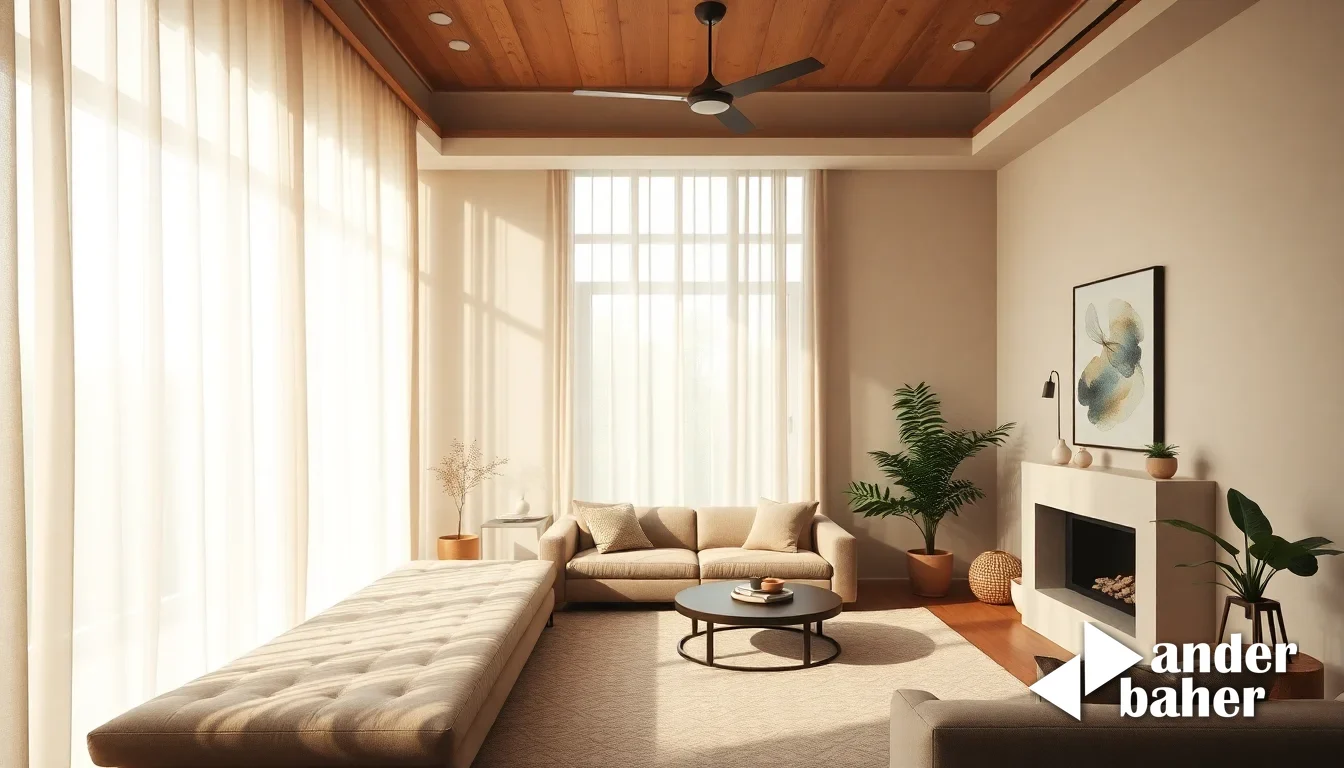
In the realm of architecture and design, a revolution is underway. Gone are the days when buildings were just concrete and steel monoliths. Today, we're ushering in an era that celebrates the connection between human beings and the natural world. Enter the captivating world of biophilic design, a concept that's changing the way we interact with our built environments.
Biophilic design principles go beyond mere aesthetics; they focus on weaving nature's elements and patterns into the very fabric of the spaces we inhabit. This approach transforms our surroundings into places of beauty, comfort, and harmony. In this blog post, we'll delve into the fascinating realm of biophilic design, exploring its principles, its impact on our well-being, and how it's shaping the future of architecture.
The Essence of Biophilic Design: Biophilic design is more than just a trend; it's a return to our primal roots. It draws inspiration from nature, aiming to create environments that resonate with the innate connection we have with the natural world. The key elements of biophilic design include:
Incorporating Natural Materials: The use of materials like wood, stone, and water features, which mimic the textures and patterns found in nature, helps establish a deeper connection with our surroundings.
Abundant Natural Light: Maximizing natural light not only reduces energy consumption but also elevates our mood, productivity, and overall well-being.
Indoor Plants and Greenery: Introducing plant life indoors purifies the air and adds a touch of serenity to spaces. Green walls, potted plants, and indoor gardens contribute to a vibrant and calming atmosphere.
Biomorphic Shapes and Patterns: The use of organic, flowing shapes and patterns in architecture and decor elements creates a sense of order and harmony reminiscent of the natural world.
Incorporating Water Features: The gentle sound of flowing water can have a soothing effect and contributes to the overall sense of tranquility within a space.
The Impact on Well-Being: The application of biophilic design principles in architecture has far-reaching implications for our physical and mental well-being. Studies have shown that these designs can:
Reduce Stress and Anxiety: Natural elements promote a sense of calm and reduce stress, fostering a healthier and happier environment.
Enhance Creativity: Natural light and outdoor views can inspire creativity and improve concentration.
Boost Productivity: Workers in biophilic offices report higher levels of productivity, focus, and job satisfaction.
Improve Air Quality: Indoor plants help purify the air, making it healthier to breathe.
Strengthen Connection to Nature: By bringing nature indoors, we reconnect with our roots, fostering a deeper appreciation for the natural world.
The Future of Architecture and Design: As our world becomes increasingly urbanized, the need for biophilic design has never been greater. Architects, designers, and planners are recognizing the importance of creating spaces that prioritize the well-being of the people who inhabit them. Biophilic design is not just a trend; it's a transformative movement that is here to stay.
In a world where people are spending more time indoors, biophilic design offers a bridge back to the natural world. It's about blending the lines between indoors and outdoors, between human-made and natural elements, and about creating environments that resonate with our most fundamental instincts.
Biophilic design is more than just an architectural style; it's a way of life. It embodies our yearning for a deeper connection with nature and acknowledges the powerful impact it has on our well-being. As the architectural and design world continues to embrace biophilic principles, we can look forward to living and working in spaces that nurture our souls and remind us of the beauty of the world beyond our walls. The future of design is not just about aesthetics; it's about creating environments that enrich our lives, our creativity, and our overall sense of purpose. Biophilic design is the way forward, and it's here to enchant us all.
Facebook Twitter LinkedInStill need help?
Get in touch with us
Frequently asked
How does biophilic design improve wellness in homes and offices?
Biophilic design reduces stress and anxiety through natural elements, enhances creativity via abundant light, and improves air quality through indoor plants—creating spaces where residents and workers experience measurable gains in focus, mood, and overall well-being.
What are the core elements of biophilic design I can introduce into my space?
Begin with natural materials like wood and stone, maximize natural light through strategic fenestration, integrate indoor plants and green walls, introduce water features for acoustic calm, and employ organic, flowing shapes in furnishings and architectural details.
Is biophilic design suitable for urban apartments in cities like Bengaluru and Mumbai?
Absolutely. Urban homes benefit profoundly from biophilic principles—vertical gardens, living walls, and strategic plantings transform compact spaces into sanctuaries, while maximized natural light and organic forms create a grounding counterpoint to dense urban surroundings.
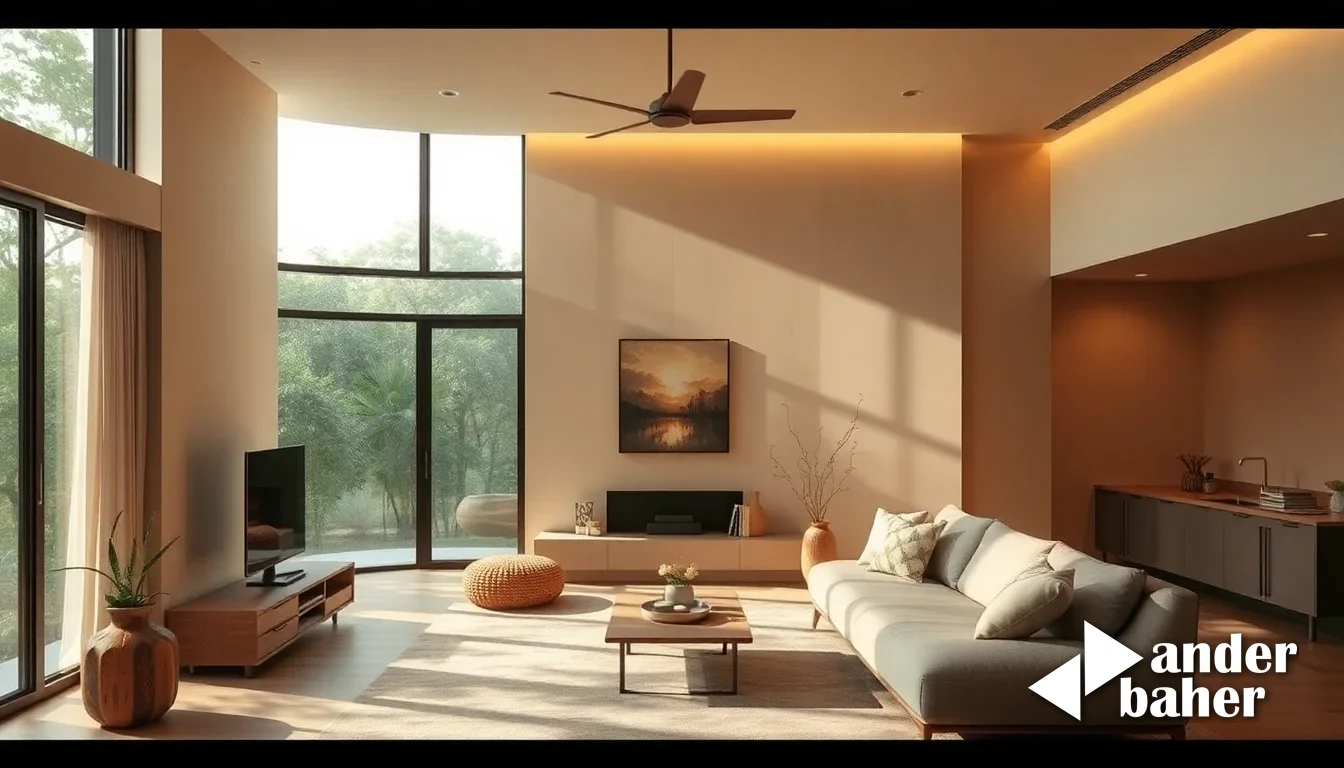
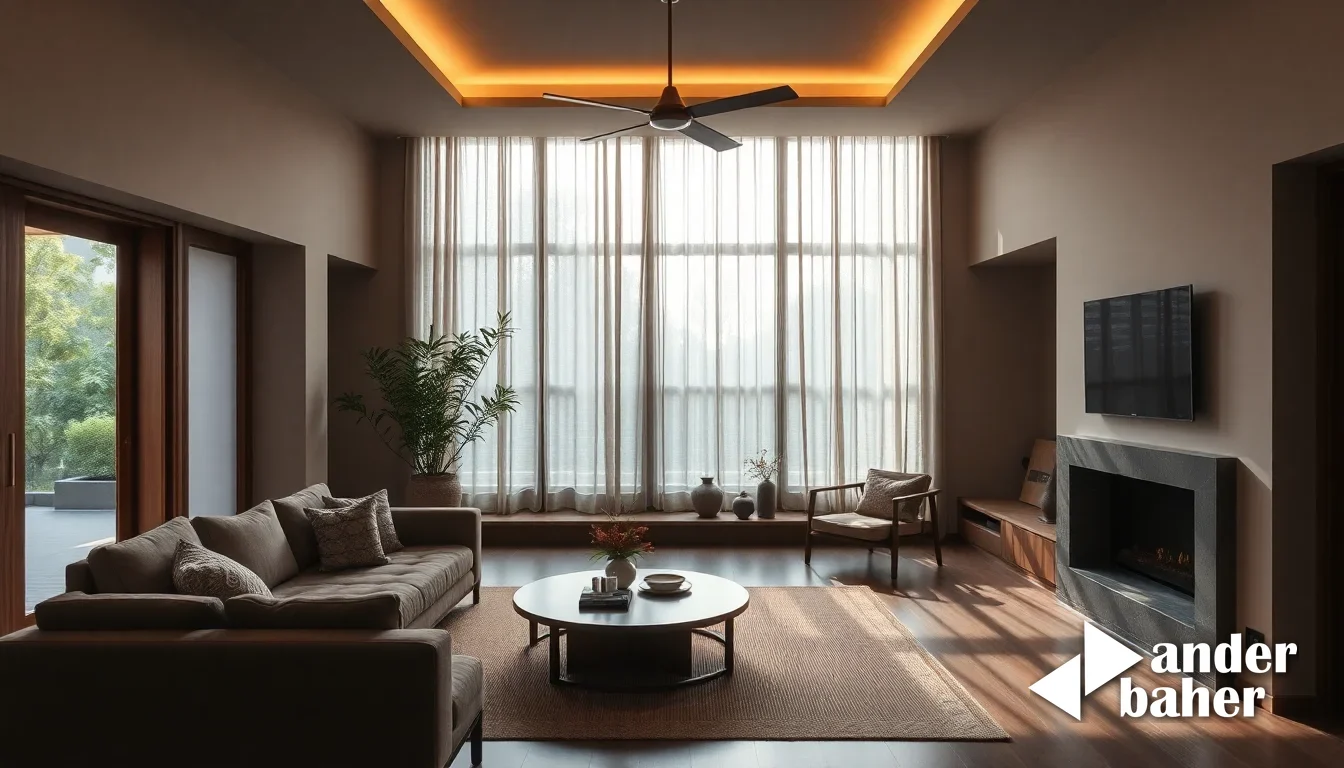
Ready to transform your space — inside or out?
Tell us a little about your home or office. We'll get back within one working day.
Book a consultation