
Magazine › Biophilic Design
When Interiors Breathe: Designing Spaces That Echo the Forest
A new generation of Indian homes is abandoning the distinction between inside and outside, creating interiors that feel alive, layered, and rooted in natural systems.
By the Ander Baher Editorial Desk · 10 October 2026
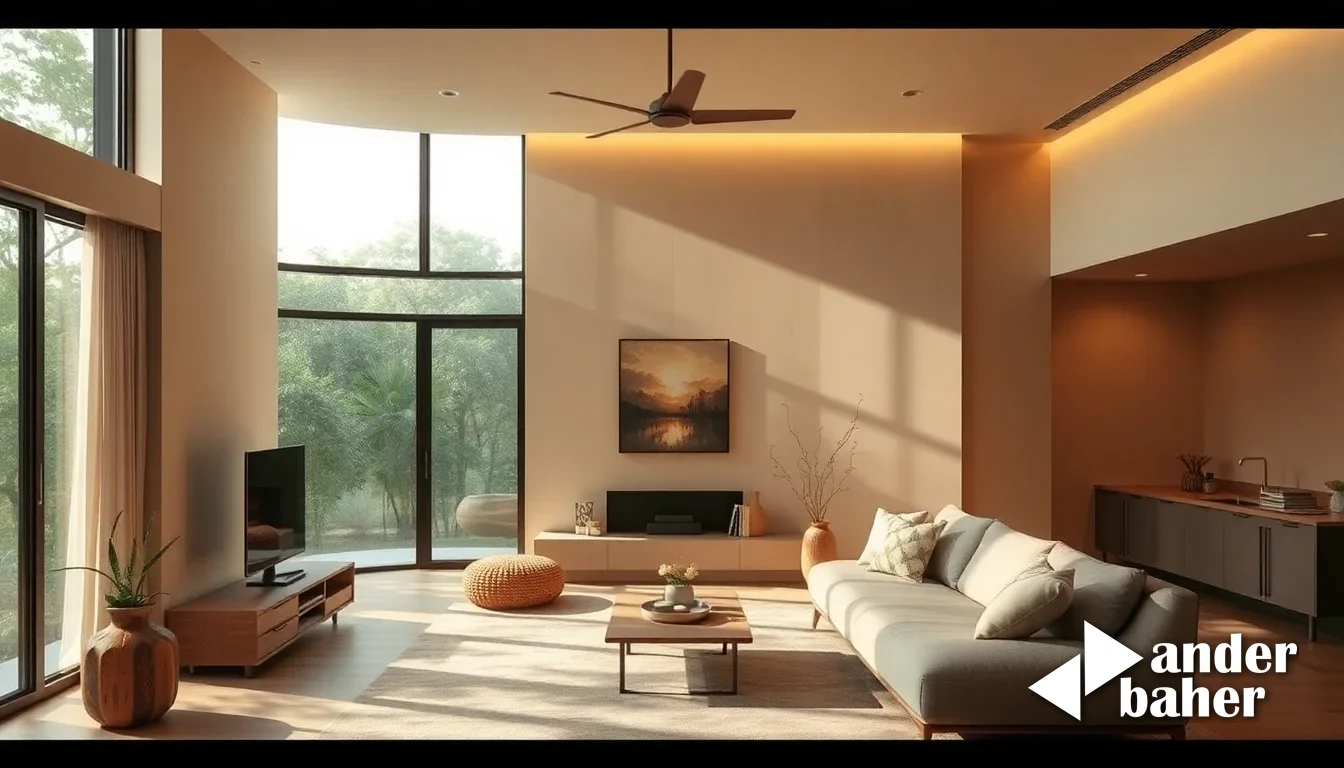
There is a particular quality to light filtering through leaves—the way it splinters, softens, and moves across a floor with the breath of the wind. More and more Indian designers are chasing this quality indoors, not through surface decoration, but through a fundamental rethinking of what an interior space can be. They are designing rooms that function like small ecosystems, where materials, plants, and human movement create a continuous conversation with the forest outside.
The Forest as a Design Language
For decades, the Indian home interior borrowed from office aesthetics: clean lines, minimal plant life, an obsession with order. But something is shifting. Architects and designers are now studying forests—not their appearance, but their logic. A forest is layered. It has a ground story of moss and ferns, a middle canopy of shrubs and young trees, and an upper story of mature growth. It is dense without feeling chaotic. Things decompose and nourish new growth. There is no waste.
When translated into an interior, this means rooms that feel inhabited by more than just people. A Mumbai apartment might feature a living wall not as decoration but as a breathing surface—herbs, shade-loving ferns, and climbing plants arranged by height and light requirement, tended like a small forest floor. A Bangalore home might use raw timber at different stages of weathering, alongside stone and earth-toned plaster, so that the room reads as a cross-section of time and material decay, much like the forest itself.
Materials That Remember Where They Came From
The material palette in these spaces matters profoundly. Unfinished wood—not the honey-toned engineered veneer of the past, but rough-sawn beams and reclaimed timber—speaks to the forest's origins. Exposed stone, clay plasters, and natural fabrics like jute and linen do not attempt to hide their provenance. A room lined with such materials does not feel designed; it feels discovered, as though you have stepped into a clearing.
This approach asks something of the inhabitant too. These spaces require a kind of attention. The plants must be watered. The wood will darken and warp slightly. The plaster may develop fine cracks. These are not flaws but evidence of life, of time passing through a room.
Living With Impermanence
Perhaps the deepest shift is philosophical. The forest teaches us that perfection is not static. Seasons change. Leaves fall and decompose. Growth is messy and abundant. An interior designed with this wisdom becomes a place where imperfection is not tolerated but celebrated—where a moss-covered stone, a sprawling pothos, and the soft dust of weathered timber are signs not of neglect but of a space that is genuinely alive.
For those designing their own homes, the invitation is not to recreate a forest indoors—that would be surface level—but to adopt its principles. Begin with materials that have texture and history. Layer your plants by light and height. Leave room for growth and change. Let your interior breathe like a living thing, and it will teach you something about how to live within it.
Sources & further reading
- ArchDaily — Wiki World Forest Store / Wiki World ↗
- designboom — massimo dutti reincarnates 16th-century palace as rome flagship store ↗
- Dezeen — Aesop explores scent and storytelling through fragrance installations around the world ↗
- Colossal — Psychedelic Paintings by Rafael Silveira Explore a World of ‘Visual Synonymies’ ↗
An original Ander Baher perspective, informed by the coverage above.
Frequently asked
How do you design an interior that feels like a forest without looking themed or artificial?
The key is adopting the forest's logic rather than its appearance: layer materials and plants by height and light requirement, use unfinished and reclaimed timber, expose stone and clay plasters, and allow imperfection to signal life rather than neglect.
What materials work best for creating this forest-inspired aesthetic?
Rough-sawn and reclaimed timber, exposed stone, clay plasters, jute, linen, and living plants arranged by their natural needs—each material should speak to its origins and age visibly over time.
Does a space designed this way require more maintenance than a conventional interior?
Yes, but intentionally: plants need tending, wood will darken and warp, and plaster may develop fine cracks—these changes are evidence of genuine life, not neglect.
Ready to transform your space — inside or out?
Tell us a little about your home or office. We'll get back within one working day.
Book a consultation