
Magazine › Architecture
Unlock the Power of Modular Construction to Transform Architecture
Explore the transformative world of modular construction in our latest blog. Uncover the time and cost-efficient benefits alongside the eco-friendly design possibilities. While modular construction promises a revolutionary shift, it navigates challenges, from regulatory intricacies to transportation
By the Ander Baher Editorial Desk · 10 November 2023
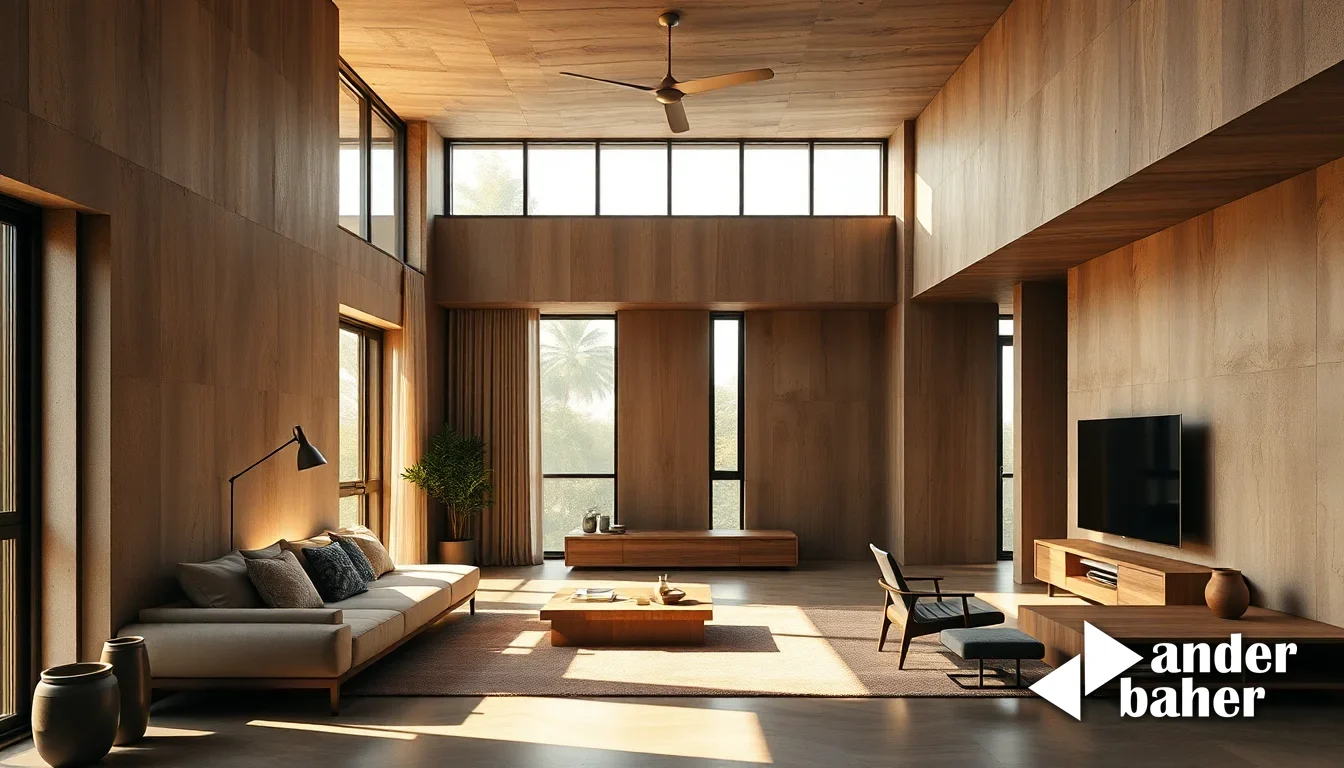
In the ever-evolving landscape of architecture and design, one concept that has gained significant traction in recent years is modular construction. This innovative approach to building offers a multitude of benefits while presenting its own set of challenges. In this exploration, we will delve into the world of modular construction, unraveling the advantages that make it a beacon of efficiency and sustainability, as well as the challenges that architects and builders must navigate to harness its full potential.
The Advantages of Modular Construction:
1. Speed and Efficiency:
Modular construction is a game-changer in terms of speed. Unlike traditional construction methods, where projects can span months or even years, modular construction slashes timelines significantly. The assembly-line nature of modular building allows for simultaneous work on various components, resulting in faster project completion. This not only benefits the client in terms of quicker occupancy but also reduces on-site disruption.
2. Cost-Effectiveness:
Time is money, and modular construction excels in both areas. The streamlined process of manufacturing modules in a controlled environment reduces material waste and minimizes labor costs. Additionally, the precision of factory construction ensures high-quality components, mitigating the risk of costly errors and rework. The overall cost-effectiveness of modular construction makes it an appealing choice for both developers and investors.
3. Sustainability:
As the world pivots towards eco-conscious practices, modular construction emerges as a sustainable alternative. The controlled environment of factories allows for better waste management and recycling of materials. Additionally, the energy efficiency achieved through precision engineering and the use of sustainable materials aligns with the growing demand for environmentally friendly construction practices.
4. Design Flexibility:
Modular construction does not compromise on design. In fact, it opens up new avenues for creativity and customization. The modular approach allows architects to experiment with a wide range of design possibilities while maintaining efficiency. From residential spaces to commercial structures, the adaptability of modular construction ensures that design aspirations can be met without sacrificing functionality.
The Challenges of Modular Construction:
1. Regulatory Hurdles:
Despite its growing popularity, modular construction often faces regulatory challenges. Local building codes and zoning regulations may not be well-equipped to accommodate this innovative method. Navigating the complex web of regulations requires collaboration between architects, builders, and regulatory bodies to ensure compliance without stifling the progress of modular construction.
2. Transportation Logistics:
The transportation of large modular components from the factory to the construction site presents a logistical challenge. Coordinating the delivery of oversized modules demands meticulous planning to avoid delays and damage. Innovative solutions, such as advanced transportation methods and modular assembly yards closer to the site, are crucial in overcoming this challenge.
3. Perception and Education:
Overcoming traditional perceptions about construction methods is an ongoing challenge for the modular construction industry. Educating stakeholders, including clients, architects, and builders, about the benefits and long-term viability of modular construction is essential. Establishing a positive perception is crucial for wider acceptance and adoption.
Conclusion:
In the dynamic realm of architecture and design, modular construction stands as a beacon of progress. Its advantages in speed, cost-effectiveness, sustainability, and design flexibility make it a compelling choice for the future of construction. However, the journey towards widespread acceptance comes with its own set of challenges, from regulatory hurdles to transportation logistics. As the industry continues to evolve, overcoming these challenges will be key to unlocking the full potential of modular construction and reshaping the way we build our world.
Facebook Twitter LinkedInStill need help?
Get in touch with us
Frequently asked
How does modular construction reduce project timelines compared to traditional building methods?
Modular construction's assembly-line approach enables simultaneous fabrication of multiple components in a controlled factory setting, while site preparation continues in parallel—slashing timelines by months or more and minimizing on-site disruption.
Can modular construction accommodate bespoke design requirements for premium residential projects?
Yes. Modular construction opens new avenues for creativity and customization; the method maintains design flexibility while preserving efficiency, allowing architects to realize complex aesthetic and functional ambitions without compromise.
What sustainability advantages does factory-based modular building offer?
Controlled factory environments enable superior waste management and material recycling, while precision engineering reduces material loss and energy consumption—aligning modular construction with contemporary environmental standards.


Ready to transform your space — inside or out?
Tell us a little about your home or office. We'll get back within one working day.
Book a consultation