
Magazine › Sustainability
Unlock Sustainable Landscaping for a Greener Future
Explore the impact of sustainable landscaping in our latest blog. Learn how eco-conscious choices in architecture and design firms address climate change, conserve resources, and create responsible outdoor spaces. Join us in shaping a greener future through eco-friendly design choices that protect o
By the Ander Baher Editorial Desk · 29 October 2023
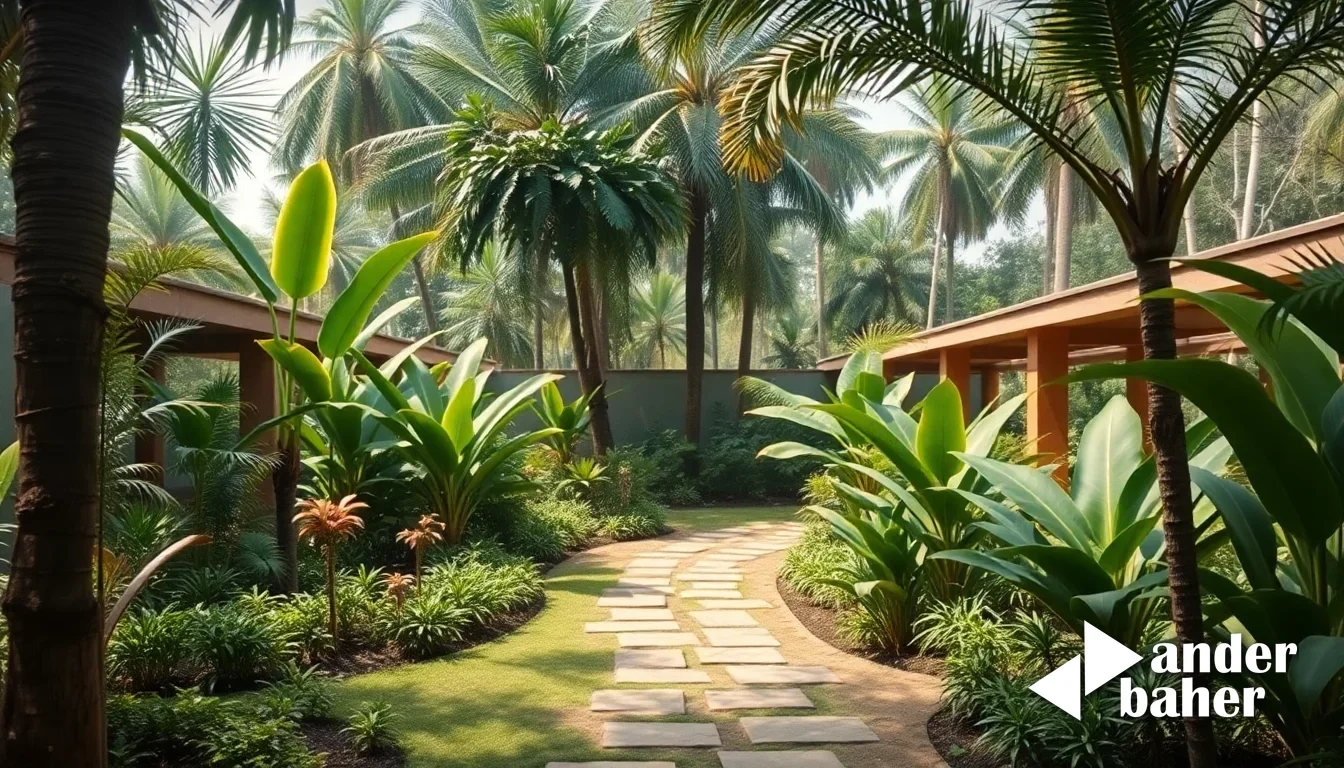
In a world where environmental concerns are at the forefront of our collective consciousness, every aspect of our lives, even our outdoor spaces, plays a significant role in shaping the future of our planet. For architecture and design firms, landscaping decisions extend beyond aesthetics; they have the power to address pressing environmental challenges, including climate change. In this blog post, we delve into the profound impact of sustainable landscaping on our environment and why it's essential for design firms to embrace eco-conscious choices.
Sustainable Landscaping Defined
Sustainable landscaping goes beyond just creating an attractive outdoor environment. It involves designing, implementing, and maintaining landscapes that minimize negative environmental impacts while maximizing benefits. This practice takes into account factors such as water conservation, soil health, plant selection, and waste reduction. The result is not only a beautiful space but also a responsible, eco-friendly one.
Addressing Climate Change
Climate change is arguably the most significant environmental challenge of our time, and it has far-reaching consequences for every living being on Earth. Sustainable landscaping can contribute significantly to mitigating its effects. Here's how:
Carbon Sequestration: Trees and vegetation are natural carbon sinks. Sustainable landscapes incorporate trees and plants that absorb and store carbon dioxide, helping reduce greenhouse gas emissions.
Stormwater Management: Proper landscaping design can control stormwater runoff, preventing soil erosion and reducing the risk of flooding. This not only protects property but also helps to reduce the environmental stress of severe weather events intensified by climate change.
Temperature Regulation: Urban heat islands, characterized by higher temperatures in urban areas, are a result of excess concrete and lack of vegetation. Sustainable landscapes can mitigate this effect by incorporating shade trees and other cooling elements.
Habitat Creation: Diverse, eco-conscious landscapes provide a haven for local wildlife, contributing to biodiversity conservation in the face of changing ecosystems.
Water Conservation: Sustainable landscapes often incorporate drought-tolerant plants, efficient irrigation systems, and rainwater harvesting, reducing the overall demand for water resources.
Design Firm Considerations
For architecture and design firms, embracing sustainable landscaping practices is not only an ethical responsibility but also a strategic decision. Here's why it's essential:
Client Demand: An increasing number of clients are seeking environmentally responsible design solutions. Being at the forefront of sustainable landscaping can attract more clients and provide a competitive edge.
Regulatory Compliance: Many regions now have strict regulations and guidelines for sustainable landscaping. Staying ahead of these requirements ensures smooth project approvals and compliance.
Reputation and Branding: Being recognized as a firm that prioritizes sustainability can enhance your brand's image and set you apart as a socially responsible company.
Long-Term Cost Savings: Sustainable landscapes are often more cost-effective in the long run, requiring less maintenance and reducing operational expenses for clients.
The environmental impact of landscape choices is undeniable, and it's time for architecture and design firms to take a leadership role in addressing environmental challenges. Sustainable landscaping isn't just a trend; it's a necessity in our battle against climate change. By integrating eco-conscious choices into your projects, you can create beautiful spaces that nurture our planet and leave a lasting positive impact for generations to come. So, let your designs be the change our world so desperately needs.
Facebook Twitter LinkedInStill need help?
Get in touch with us
Frequently asked
How does sustainable landscaping reduce a property's environmental footprint?
Sustainable landscapes employ carbon-sequestering trees, efficient water management, and habitat creation to minimize negative environmental impacts while maximizing ecological benefits—effectively turning outdoor spaces into active agents of climate resilience.
What specific design strategies help mitigate urban heat islands?
Incorporating shade trees, drought-tolerant plantings, and permeable surfaces counters the heat-trapping effects of excess concrete, while stormwater management systems prevent erosion and reduce flooding risk during severe weather.
Why should design firms prioritize sustainable landscaping practices?
Beyond ethical responsibility, eco-conscious landscaping attracts environmentally conscious clients, ensures regulatory compliance, strengthens brand reputation, and delivers long-term cost savings through reduced maintenance and operational expenses.
Ready to transform your space — inside or out?
Tell us a little about your home or office. We'll get back within one working day.
Book a consultation