
Magazine › Sustainability
Unlock Nature’s Power with the Miyawaki Forest Method
Discover the art of creating a Miyawaki Forest in our latest blog. Learn the secrets of selecting native species, perfecting soil preparation, and tightly planting saplings for a thriving mini-forest. Embrace this eco-friendly method to restore green spaces and bring nature closer to urban life. Div
By the Ander Baher Editorial Desk · 25 October 2023
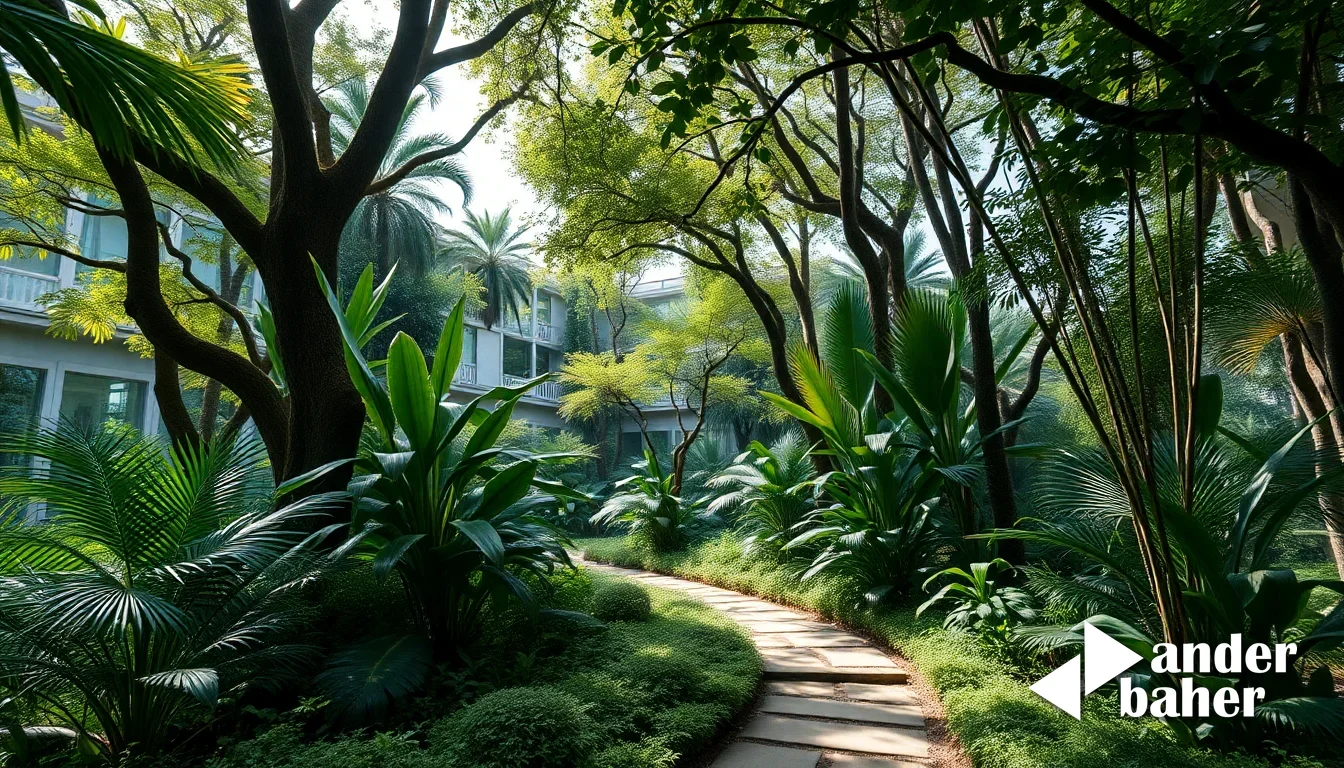
In a world where environmental conservation has become a pressing concern, the Miyawaki Forest technique has gained immense popularity for its ability to rapidly restore and enhance green spaces. This innovative approach, pioneered by Japanese botanist Akira Miyawaki, has been embraced globally as a sustainable method for reforestation and urban greening. This blog will guide you through the steps to create your own Miyawaki Forest, which involves selecting native species, meticulous soil preparation, and the close planting of saplings.
- Understand the Miyawaki Forest Concept:
Before you embark on your journey to create a Miyawaki Forest, it's essential to grasp the core principles behind this technique. The Miyawaki Forest relies on the concept of densely planting a variety of native tree and plant species in a small area, mimicking natural forests. The key to its success lies in careful selection of native species, soil preparation, and close planting of saplings.
- Choose Native Species:
Selecting the right native species is crucial for the success of your Miyawaki Forest. Native plants are adapted to the local climate and soil conditions, which makes them hardy and more likely to thrive. Research the native flora of your region, considering factors such as soil type, sunlight, and climate. Aim to include a diverse range of species, including trees, shrubs, and ground cover plants to create a well-balanced ecosystem.
- Soil Preparation:
Healthy soil is the foundation of any forest, and a Miyawaki Forest is no exception. Follow these steps for proper soil preparation:
a. Remove Weeds and Debris: Begin by clearing the area of weeds, rocks, and any debris that may impede the growth of your saplings.
b. Soil Testing: Conduct a soil test to determine its composition and nutrient levels. Adjust the pH and enrich the soil as needed to create optimal conditions for plant growth.
c. Organic Matter: Incorporate organic matter, such as compost or well-rotted manure, to improve soil structure and nutrient content.
d. Soil Aeration: Ensure good soil aeration by tilling the soil to a suitable depth.
e. Mulch: Apply a layer of mulch to conserve moisture, suppress weeds, and maintain soil temperature.
- Planting Process:
Meticulous planting is the key to the Miyawaki Forest's success:
a. Close Planting: Space the saplings much closer than in traditional reforestation, typically around 3 feet apart in a grid pattern. This encourages natural competition among the plants, leading to faster growth and greater biodiversity.
b. Planting Depth: Plant the saplings at the same depth as their nursery containers.
c. Watering: Regularly water the saplings during the initial establishment phase to help them take root. Once the forest is established, native species will require less maintenance.
d. Maintenance: Keep an eye on the forest's growth, thinning out weaker or invasive species as needed to maintain a balanced ecosystem.
Creating a Miyawaki Forest is a fulfilling and environmentally responsible endeavor. By thoughtfully selecting native species, preparing the soil, and closely planting the saplings, you can contribute to the restoration of natural ecosystems while also enjoying the beauty and benefits of your very own dense, vibrant forest. Remember, the key to success is patience and ongoing maintenance, as over time, your Miyawaki Forest will grow into a lush, self-sustaining ecosystem that benefits both the environment and the community.
Facebook Twitter LinkedInStill need help?
Get in touch with us
Frequently asked
How quickly does a Miyawaki Forest mature compared to traditional reforestation?
The Miyawaki method accelerates forest growth significantly through dense planting and careful species selection, creating a self-sustaining ecosystem in a fraction of the time conventional afforestation requires.
What native species should I select for a Miyawaki Forest in my region?
Research your local flora based on soil type, sunlight, and climate conditions; aim for diversity across trees, shrubs, and ground cover to establish a balanced, resilient ecosystem adapted to your specific environment.
Is ongoing maintenance required after the Miyawaki Forest is established?
Once established, native species require minimal intervention, though periodic thinning of weaker or invasive plants helps maintain ecological balance and long-term vitality.

Ready to transform your space — inside or out?
Tell us a little about your home or office. We'll get back within one working day.
Book a consultation