
Magazine › Biophilic Design
Transforming City Life with Nature-Integrated Urban Planning for Sustainable Futures
Discover how future cities are embracing nature within their urban planning, paving the way for green, sustainable, and vibrant urban ecosystems.
By the Ander Baher Editorial Desk · 12 March 2024
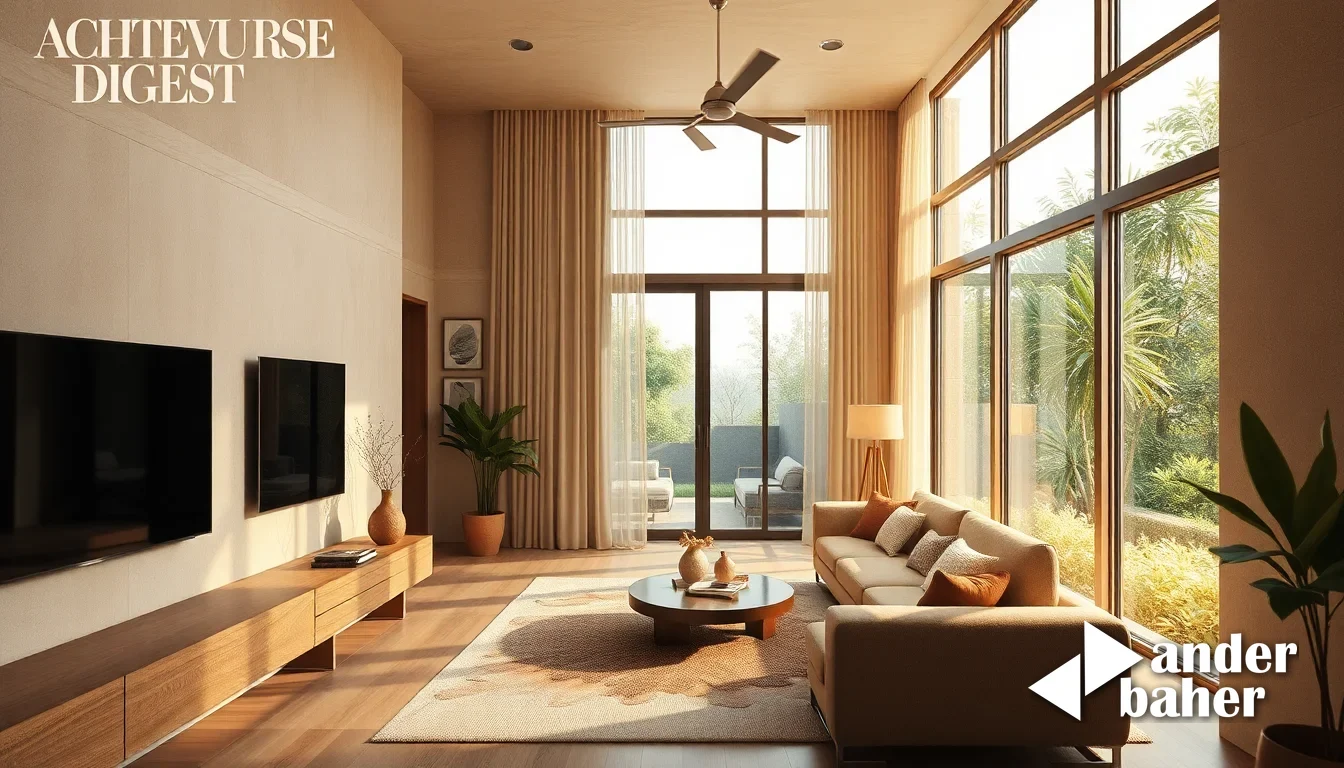
The vision of future cities transcends the concrete jungle to embrace the green jungle, integrating nature into the very fabric of urban planning. This revolutionary approach aims to create symbiotic relationships between urban development and the natural environment, fostering healthier, more sustainable, and resilient communities. This article explores the innovative strategies and benefits of integrating nature into urban planning, offering a glimpse into the green metropolises of tomorrow.
The Imperative for Nature in Urban Environments
Urbanization, while a marker of human progress, often comes at the expense of the natural environment. However, the integration of nature into urban planning emerges as a vital solution to many urban challenges, including air pollution, heat islands, and biodiversity loss. This section delves into the reasons why incorporating natural elements into cityscapes is not just beneficial but essential.
- Health and Well-being: Green spaces in urban areas offer residents places for recreation, relaxation, and connection with nature, improving mental and physical health.
- Climate Resilience: Incorporating nature into cities enhances their ability to withstand and adapt to climate change effects, such as flooding and heatwaves.
- Biodiversity: Urban green spaces serve as vital habitats for wildlife, promoting biodiversity within city limits.
Strategies for Integrating Nature into Urban Planning
The blueprint for future cities includes a variety of strategies to weave nature into the urban fabric. This section outlines innovative approaches to creating greener, more livable cities.
- Vertical Gardens and Green Walls: Utilizing vertical spaces on buildings to grow plants, improving air quality and building insulation.
- Green Roofs: Transforming rooftops into green spaces or gardens, contributing to temperature regulation and providing additional recreational areas.
- Urban Greenways and Parks: Designing networks of green spaces that offer ecological benefits and recreational opportunities, connecting different parts of the city.
- Water Sensitive Urban Design: Implementing systems that mimic natural water cycles, managing rainwater sustainably through features like permeable pavements and rain gardens.
Leading Examples of Nature-Integrated Urban Planning
Cities around the world are already embracing the concept of nature-integrated urban planning. This section showcases exemplary cities that are leading the way in creating greener, more sustainable urban environments.
- Singapore, the 'City in a Garden': Known for its extensive greenery and innovative urban solutions like the Gardens by the Bay and the Supertree Grove.
- Copenhagen, Denmark: Aiming to become the world's first carbon-neutral capital by 2025, with extensive bike lanes, green roofs, and parks.
- Melbourne, Australia: Implementing the Urban Forest Strategy to increase green spaces and tree cover to combat the urban heat island effect and enhance biodiversity.
Addressing FAQs on Integrating Nature into Urban Planning
Q: How can cities start integrating nature into their urban planning? A: Cities can start by assessing existing natural elements and potential areas for green space development, then incorporating green infrastructure and policies that promote nature integration.
Q: What are the challenges of integrating nature into urban planning? A: Challenges include limited space, funding, and maintenance issues, but these can be overcome with innovative design solutions and community engagement.
Q: Can existing cities be retrofitted to integrate nature, or is this approach only for new developments? A: Existing cities can certainly be retrofitted to incorporate nature. Many urban renewal projects worldwide are focusing on adding green spaces and natural elements to enhance livability and sustainability.
In Summary
The integration of nature into urban planning represents a forward-thinking approach to crafting the cities of the future. By creating spaces that not only accommodate human activity but also support ecological functions, we can envision urban environments that are resilient, sustainable, and harmonious with the natural world. The journey towards green metropolises requires innovation, commitment, and a reimagining of what urban living can be, with nature at its heart.
Facebook Twitter LinkedInStill need help?
Get in touch with us
Frequently asked
How can residential developments in Bengaluru or Mumbai incorporate nature-integrated design principles?
Premium residential projects can integrate nature through green roofs, vertical gardens, permeable landscaping, and interconnected green spaces that enhance both aesthetic appeal and ecological resilience while improving residents' well-being.
What are the long-term benefits of nature-integrated urban planning for property value and livability?
Properties designed with integrated nature see enhanced climate resilience, superior air quality, increased biodiversity, and stronger community health—factors that elevate desirability and long-term value in competitive urban markets.
Can existing urban homes be retrofitted with green infrastructure like vertical gardens or green walls?
Yes. Existing residences and buildings can be thoughtfully retrofitted with vertical gardens, green walls, permeable pavements, and rain gardens, transforming underutilized spaces into productive, restorative landscapes.
Ready to transform your space — inside or out?
Tell us a little about your home or office. We'll get back within one working day.
Book a consultation