
Magazine › Biophilic Design
Transform Classrooms with Biophilic Design for Better Learning
Explore the transformative potential of biophilic classrooms, where the integration of nature into educational spaces fosters a healthier, more engaging learning experience for students.
By the Ander Baher Editorial Desk · 6 March 2024
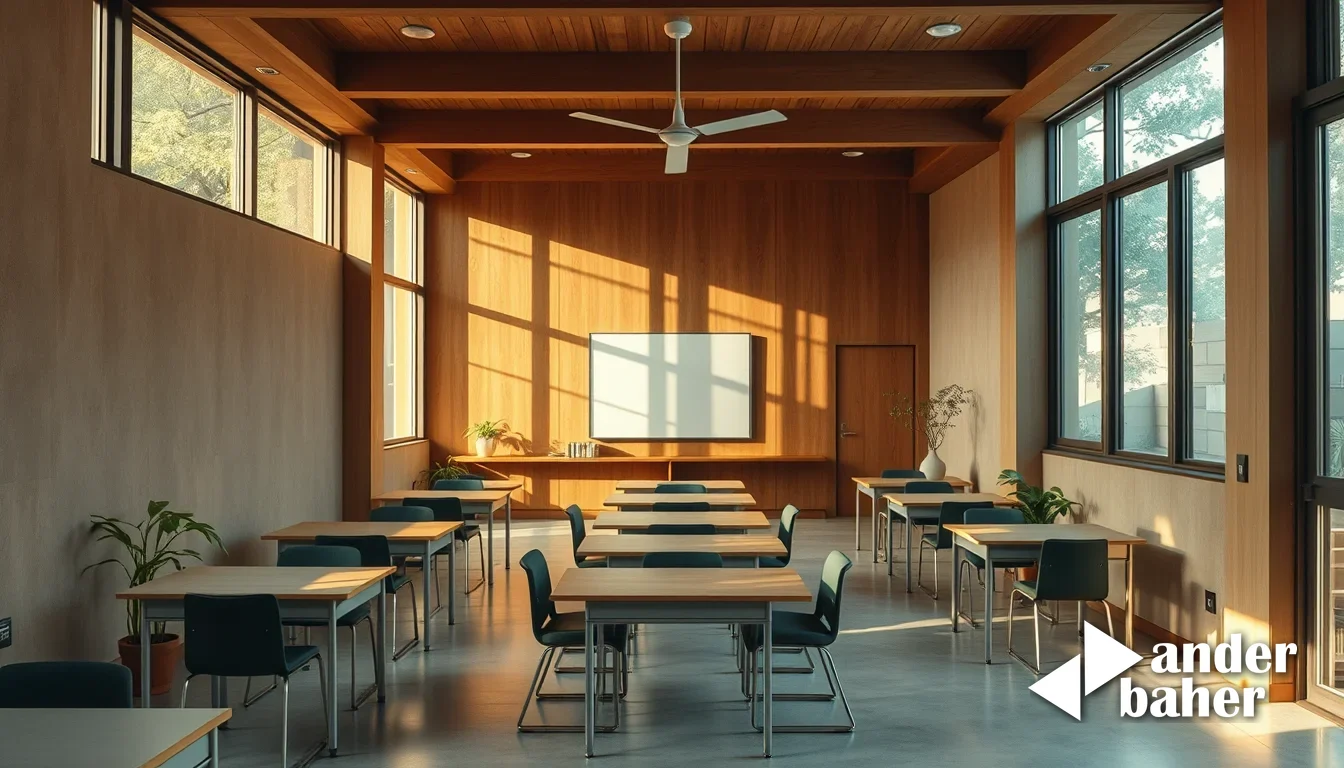
As educators and architects alike seek innovative approaches to enhance learning environments, the concept of biophilic design in classrooms has emerged as a transformative solution. Rooted in the intrinsic human connection to nature, biophilic classrooms aim to incorporate natural elements into educational spaces, fostering a more engaging, healthy, and productive learning atmosphere. Let's delve into how this approach is shaping the future of educational environments.
The Essence of Biophilic Design in Education
Biophilic design integrates natural materials, light, vegetation, and other elements of the natural world into the built environment. In the context of educational settings, this design philosophy emphasizes creating spaces that improve cognitive function, reduce stress, and increase learners' well-being and engagement.
Key Features of Biophilic Classrooms
Natural Light: Maximizing natural light through windows, skylights, and strategically placed mirrors to enhance mood and focus.
Green Spaces: Incorporating indoor plants, living walls, and green roofs to improve air quality and create a more inviting learning environment.
Use of Natural Materials: Utilizing wood, stone, and other natural materials in the construction and decor to bring the outside world into the classroom.
Outdoor Learning Areas: Designing outdoor classrooms and gardens where students can learn in the midst of nature, fostering a direct connection with the environment.
Dynamic and Flexible Spaces: Creating adaptable learning environments that can be easily reconfigured for different activities and teaching methods, mimicking the versatility of natural environments.
Benefits of Biophilic Design in Educational Spaces
Enhanced Learning Outcomes: Studies have shown that learning environments enriched with natural elements can lead to improved academic performance, concentration, and creativity.
Emotional Well-being: Exposure to nature and natural elements within educational settings has been linked to reduced stress levels, lower anxiety, and enhanced mood among students.
Physical Health: Biophilic design contributes to better air quality and encourages physical activity, leading to healthier students and staff.
Implementing Biophilic Design in Schools
Incorporating biophilic design into existing educational facilities requires thoughtful planning and creativity. Simple steps, such as increasing the presence of plants in classrooms or ensuring ample natural light, can make a significant difference. For new constructions, architects and educators can work together from the outset to integrate biophilic principles into the design of educational buildings.
Case Studies and Success Stories
Schools around the globe are beginning to embrace biophilic design, with numerous examples showcasing the positive impact on students and educators alike. From elementary schools with classrooms opening directly onto nature-filled courtyards to universities incorporating biophilic principles into their campus architecture, the trend is clear: nature and education go hand in hand.
The Future of Biophilic Educational Environments
As research continues to highlight the benefits of connecting with nature, the future of educational environments looks increasingly green. Biophilic design not only represents a shift towards more sustainable architecture but also aligns with a broader understanding of how environment impacts learning, health, and well-being.
In conclusion, biophilic classrooms offer a vision for the future of education that is both inspiring and attainable. By bridging the gap between indoor spaces and the natural world, we can create educational environments that nurture the mind, body, and spirit of all learners.
Facebook Twitter LinkedInStill need help?
Get in touch with us
Frequently asked
How does biophilic design improve student learning outcomes?
Research demonstrates that classrooms enriched with natural elements—living walls, natural light, and wood materials—enhance concentration, cognitive function, and academic performance while reducing stress and anxiety among learners.
What are the easiest biophilic elements to introduce in an existing classroom?
Start with indoor plants, living walls, and maximizing natural light through windows and mirrors. These thoughtful additions improve air quality and create a calming atmosphere without requiring structural changes.
Can biophilic design work in urban school settings with limited outdoor space?
Yes. Indoor plants, green roofs, skylights, natural materials, and flexible classroom layouts can bring biophilic principles to any urban educational space, creating nature-inspired environments that foster engagement and well-being.
Ready to transform your space — inside or out?
Tell us a little about your home or office. We'll get back within one working day.
Book a consultation