
Magazine › Biophilic Design
The Intersection of Biophilic Design and Smart City Technology
How smart cities are weaving nature and technology into the urban fabric to create healthier, sustainable spaces for tomorrow's residents.
By the Ander Baher Editorial Desk · 4 March 2024
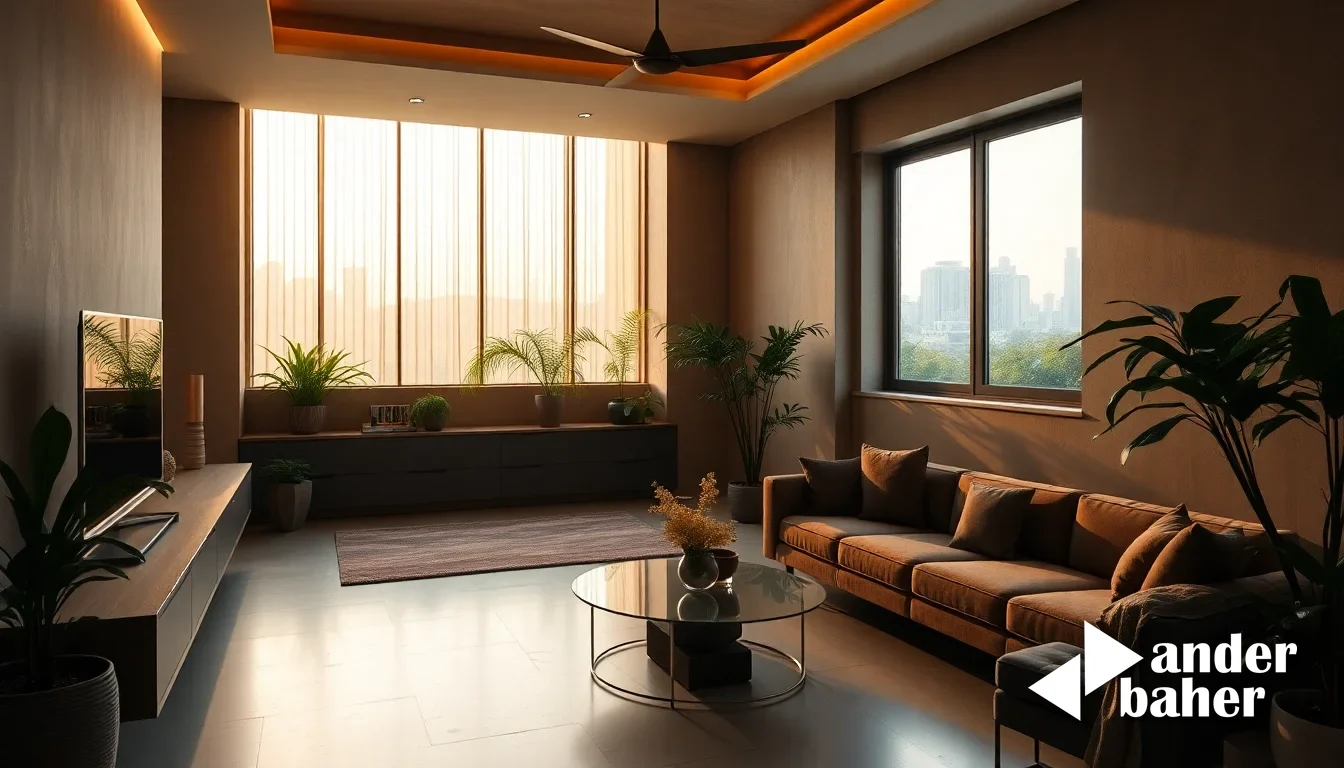
In the quest for more sustainable and livable urban environments, the convergence of biophilic design and smart city technology represents a forward-thinking approach to urban development. This fusion aims to create spaces that not only are technologically advanced but also enhance the well-being of residents by incorporating natural elements into the urban fabric. Let’s explore how this intersection is reshaping cities and offering a new blueprint for future development.
Bridging Nature with Technology
Biophilic design focuses on human’s innate connection to nature, seeking to integrate natural elements like plants, water, and sunlight into architectural and urban planning. Smart city technology, on the other hand, leverages IoT (Internet of Things) devices, AI, and data analytics to improve urban infrastructure, manage resources more efficiently, and enhance the quality of urban life. The integration of these two disciplines creates a holistic urban ecosystem that supports both environmental sustainability and technological innovation.
Enhancing Urban Ecosystems
Smart Green Spaces: Parks and green spaces equipped with sensors to monitor environmental conditions, water usage, and plant health. These spaces can adapt in real-time to optimize for both human enjoyment and ecological benefit.
Vertical Gardens and Green Roofs: Buildings that incorporate living walls and green roofs, integrated with smart irrigation systems that use weather forecasts and moisture sensors to conserve water.
Natural Light Optimization: The use of smart glass windows that adjust tint based on the time of day, maximizing natural light and reducing the need for artificial lighting, while maintaining energy efficiency.
Pollution Reduction: The implementation of green infrastructure that pairs with smart monitoring to reduce air and noise pollution, creating healthier urban environments.
Smart and Green Infrastructure
Renewable Energy Integration: Smart grids that integrate renewable energy sources, like solar panels and wind turbines, into the urban energy mix, supported by green building designs that reduce overall energy consumption.
Sustainable Mobility Solutions: Electric and autonomous vehicles supported by smart traffic management systems, alongside green corridors and bike-sharing schemes that encourage eco-friendly transportation options.
Water Management: Advanced systems for rainwater harvesting and smart water grids that ensure efficient water use and minimize waste, all while supporting urban greenery and reducing heat island effects.
Challenges and Opportunities
While the vision is compelling, realizing the full potential of this intersection faces challenges such as high initial costs, technological integration into existing infrastructure, and the need for cross-sector collaboration. However, the opportunities for creating more resilient, sustainable, and human-centered cities are immense, promising a future where urban environments are not only smart but also inherently connected to the natural world.
In Conclusion
The intersection of biophilic design and smart city technology offers a promising avenue for reimagining urban spaces. By harmonizing technology with nature, cities can become more sustainable, efficient, and enjoyable places to live. As we continue to face global environmental challenges, this integrated approach could pave the way for a new era of urban development, where technology and nature work hand in hand to enhance the quality of life for all urban dwellers.
Facebook Twitter LinkedInStill need help?
Get in touch with us
Frequently asked
How does biophilic design improve wellness in high-density urban homes?
By integrating natural elements—plants, water features, optimized daylight—into interiors and building envelopes, biophilic spaces reduce stress and enhance air quality, creating sanctuaries within the city that support both physical and mental well-being.
What role does smart technology play in maintaining green infrastructure in apartments?
IoT sensors and AI-driven systems automate irrigation, monitor plant health, and adjust ventilation in real time, allowing residents to maintain lush indoor and balcony gardens with minimal manual intervention—ideal for premium urban dwellings.
Can biophilic design integrate seamlessly with existing urban homes?
Yes; retrofitting with green walls, smart glass, and sensor-enabled planters allows established residences to embrace biophilic principles without major structural changes, enhancing both aesthetic and environmental performance.
Ready to transform your space — inside or out?
Tell us a little about your home or office. We'll get back within one working day.
Book a consultation